Overview
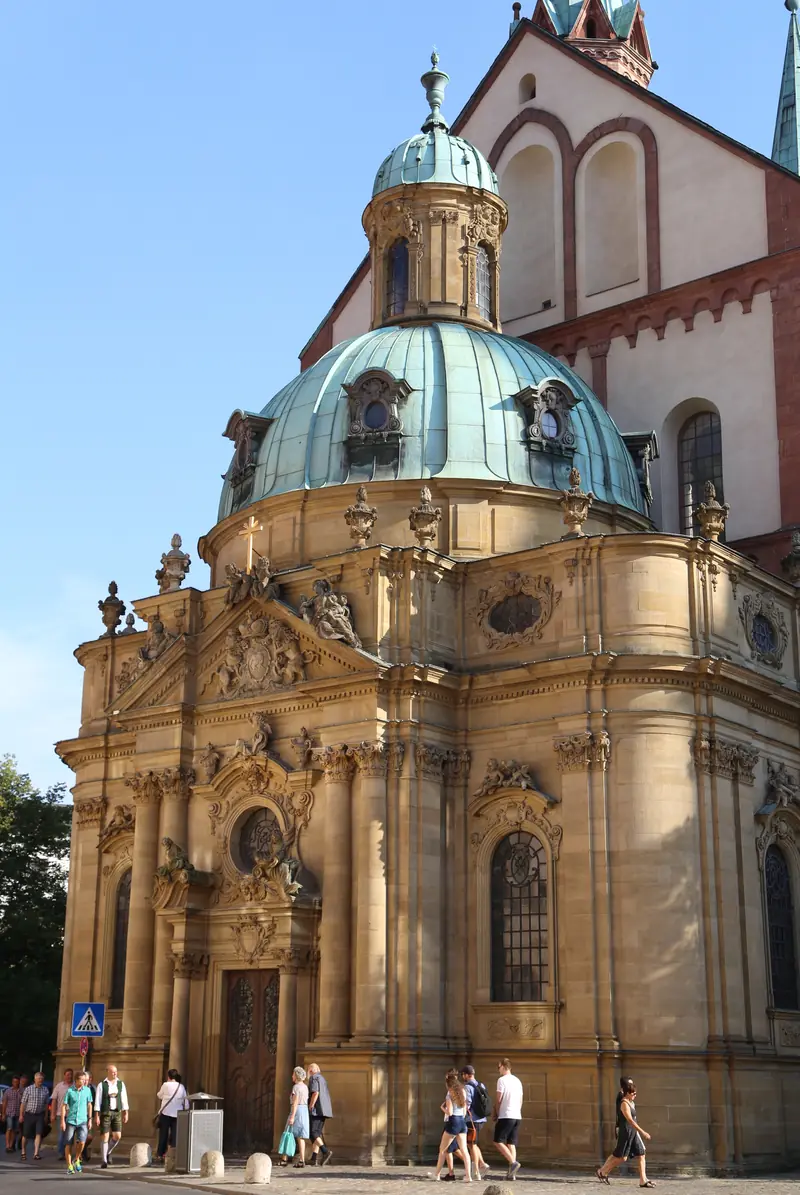
Schönbornkapelle, an enchanting chapel located in the historic Altstadt of Würzburg, is an architectural gem that reflects the rich religious and cultural heritage of Germany’s Lower Franconia region. Known for its serene atmosphere and striking design, this chapel is more than just a place of worship; it is a symbolic representation of the historical significance of the area, which has long been a center for religious, artistic, and educational pursuits. Visitors to Schönbornkapelle can expect a peaceful retreat that offers insights into the architectural styles and spiritual practices of the past, making it a captivating destination for both pilgrims and curious travelers alike.
As you wander through the charming streets of Würzburg, the chapel stands out as a remarkable point of interest, inviting exploration and contemplation. Its location in the bustling Altstadt allows visitors to immerse themselves in the local culture, making it a perfect stop for those seeking to experience the essence of this vibrant city. The chapel serves as a reminder of the enduring nature of faith and community, set against the backdrop of a city that has been shaped by its historical events and artistic contributions.
History and Significance
The history of Schönbornkapelle is intrinsically linked to the broader narrative of Würzburg, a city that has played a pivotal role in the religious and cultural development of the region. While specific dates concerning its establishment are not readily available, the chapel is recognized as a significant site within the context of Catholicism in Germany. It is named after the Schönborn family, an influential noble family whose members have historically contributed to the ecclesiastical and political landscape of the area.
The chapel’s importance is underscored by its function as a religious site, where local communities gather for worship, reflection, and celebrations. This continuous use over the years highlights the chapel’s role in fostering spiritual life and community cohesion. The architecture of Schönbornkapelle reflects the stylistic shifts of its time, embodying elements that resonate with the religious fervor and artistic ambitions of its era.
In addition to its spiritual significance, Schönbornkapelle serves as a cultural landmark that attracts visitors from various backgrounds. Its presence in the Altstadt, a UNESCO World Heritage site, emphasizes the intersection of history, culture, and faith that has defined Würzburg. As a result, the chapel not only stands as a place of personal reflection for individuals but also as a communal space where the shared history of the people of Würzburg can be appreciated.
Architecture and Features
Schönbornkapelle showcases a harmonious blend of architectural styles that reflect the evolving tastes and spiritual sentiments of its time. The chapel’s design is characterized by its elegant façade, adorned with intricate details that capture the viewer’s attention. Although specific architectural details are not outlined, the chapel typically features elements common to religious sites of its period, such as pointed arches, stained glass windows, and decorative motifs that convey biblical themes.
Inside, visitors will find an interior that invites contemplation and prayer. The layout of the chapel is designed to foster a sense of community while also providing spaces for individual reflection. The use of light plays a significant role in creating an atmosphere of tranquility, with rays filtering through the stained glass, casting colorful patterns that enhance the spiritual ambiance.
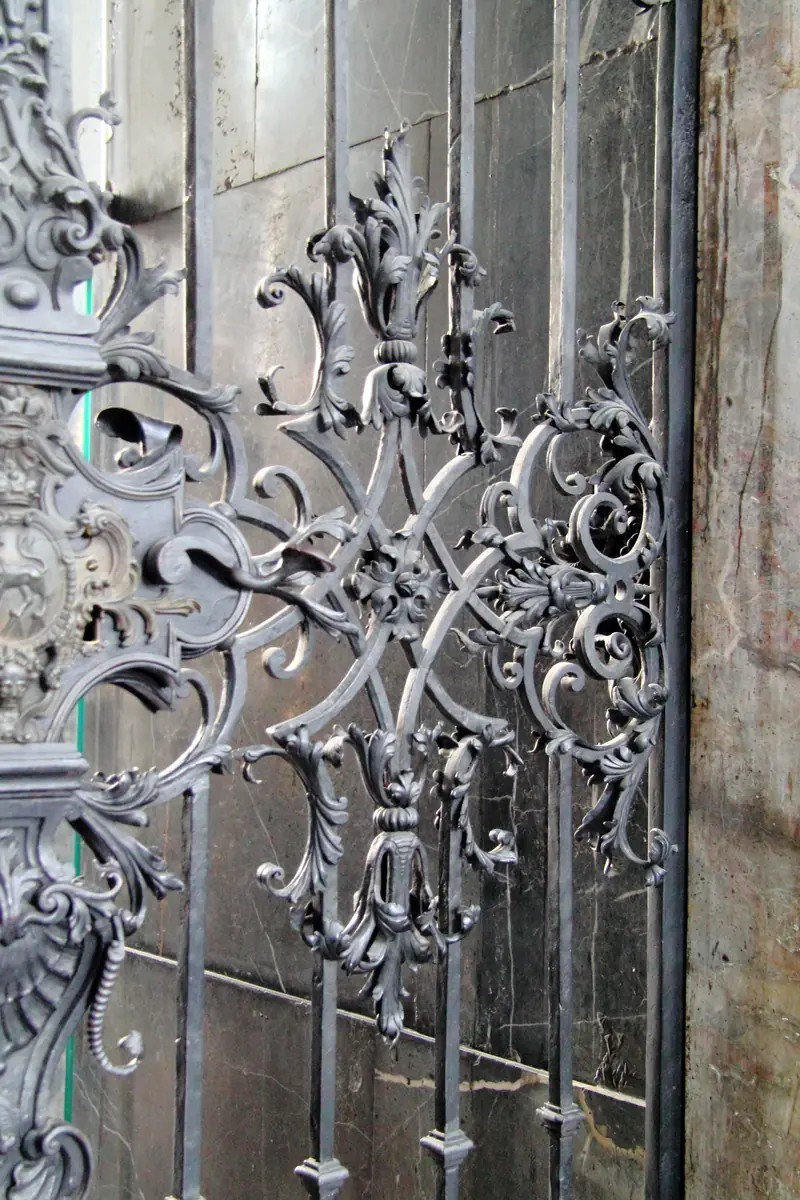
The chapel’s interior may also feature altars, religious statuary, and artworks that contribute to its aesthetic and spiritual significance. These elements not only serve a liturgical purpose but also provide insights into the artistic traditions that have flourished in the region. The overall design of Schönbornkapelle, both inside and out, remains a testament to the enduring power of faith and the artistic expression it inspires.
Visiting Information
Visiting Schönbornkapelle offers a peaceful experience for those wishing to explore its historical and cultural significance. The chapel is located in the Altstadt of Würzburg, making it easily accessible for those traveling within the city. Visitors can arrive by public transport or on foot, as the area is well-connected and pedestrian-friendly.
It is advisable to check the official website for current information regarding opening hours and entrance fees, as these details may change based on the time of year or special events. Typically, a visit to the chapel may take about 30 minutes to an hour, depending on the visitor’s interest in exploring its features and taking in the atmosphere.
The best time to visit Schönbornkapelle is during weekdays or early mornings when it is less crowded, allowing for a more intimate experience. The chapel’s serene environment is particularly appealing during the quieter hours, making it an ideal spot for personal reflection or quiet contemplation.
Nearby Attractions
While visiting Schönbornkapelle, there are several attractions in the vicinity that enhance the experience of exploring Würzburg:
Würzburg Residence: A UNESCO World Heritage site, this grand palace is known for its stunning architecture and beautiful gardens. It provides a glimpse into the opulence of the prince-bishops of Würzburg.
Marienberg Fortress: Offering panoramic views of the city, this historic fortress is a must-visit. It is steeped in history and provides insight into the region’s military past.
St. Kilian Cathedral: This impressive Gothic cathedral is located nearby and is known for its remarkable architecture and significant religious heritage.
Old Main Bridge (Alte Mainbrücke): A charming pedestrian bridge that connects both sides of the river, it is adorned with statues and provides a picturesque setting for a leisurely stroll.
Market Square (Marktplatz): The bustling heart of the city, this square is surrounded by shops, cafés, and local vendors, making it a great place to sample regional delicacies or enjoy a coffee.
Insider Tips
For those looking to capture the beauty of Schönbornkapelle, photography is often allowed, but it is advisable to be respectful of the sacred nature of the site and its visitors. The chapel’s interior, with its beautiful light filtering through stained glass, offers excellent opportunities for photography, especially during the early morning or late afternoon.
To avoid crowds, consider visiting during weekdays or early in the day. This timing not only allows for a more peaceful experience but also gives you the chance to appreciate the chapel’s serene atmosphere without the hustle and bustle of larger groups.
Practical Information
When planning a visit to Schönbornkapelle, it is advisable to bring along a few essentials, including comfortable walking shoes, a camera for capturing memories, and a light jacket, as temperatures can vary throughout the day.
Seasonal considerations are also important; spring and early autumn often provide the most pleasant weather for walking around the city. As the chapel is a place of worship, visitors should dress modestly and respectfully during their visit.
Frequently Asked Questions
How long should I spend visiting?
A visit to Schönbornkapelle typically takes about 30 minutes to an hour, depending on your interest in exploring its features.
Is photography allowed?
Photography is generally permitted, but visitors should be respectful of the sacred nature of the site and other visitors.
Are there guided tours?
While specific information about guided tours is not available, many visitors explore the chapel independently. Check the official website for any potential tour offerings.
What’s the best time to visit?
The best time to visit is during weekdays or early mornings to avoid crowds and enjoy a peaceful atmosphere.
Is it wheelchair accessible?
Check the official website for specific accessibility options at Schönbornkapelle.
Can I buy tickets online?
For current information on ticketing, including the possibility of purchasing online, please refer to the official website.
Are there restrooms and cafes?
While specific amenities are not detailed, nearby public spaces and local cafés within the Altstadt may offer restroom facilities.
What should I wear?
Visitors are encouraged to dress modestly and comfortably, respecting the sacred nature of the chapel and the cultural context of the site.
Photo Gallery