Overview
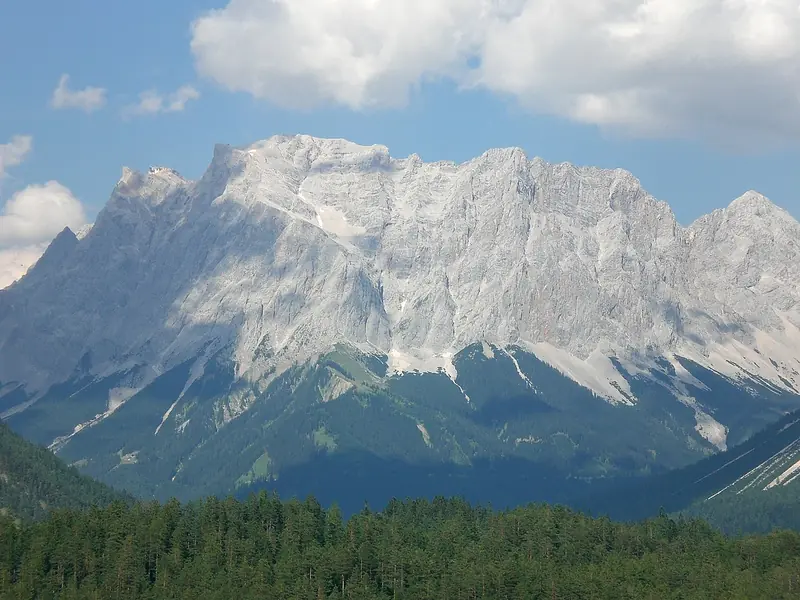
At the heart of the majestic Wetterstein mountain range, Schneefernerkopf emerges as a striking peak that straddles the border between Bavaria, Germany, and Tyrol, Austria. This mountain is not just a geographical feature; it is a significant natural site that draws outdoor enthusiasts and nature lovers alike. With its commanding presence and panoramic vistas, Schneefernerkopf offers a unique opportunity to appreciate the beauty and diversity of the Alpine environment.
The mountain stands as a symbol of the natural heritage of both Germany and Austria, attracting hikers, climbers, and those keen on exploring the rugged landscape. Visitors are welcomed by a tapestry of alpine flora and fauna, stunning rock formations, and the chance to experience the shifting moods of the mountain throughout the seasons. Whether you are seeking adventure or tranquility, Schneefernerkopf provides an ideal setting for both exploration and reflection.
History and Significance
While specific historical accounts and detailed timelines may be sparse, the cultural significance of Schneefernerkopf can be appreciated through its longstanding connection to the local communities and its role in mountain climbing history. The Wetterstein range has been a focal point for mountaineers and adventurers for generations, with Schneefernerkopf serving as a notable ascent in the region.
The mountain’s name reflects the German language, with “Schnee” meaning snow, hinting at the snow-capped peaks that characterize the weather conditions here. The area is steeped in local folklore and has been a part of the Alpine culture, where mountains are often seen as both challenges and sources of inspiration.
The mountain’s prominence in the natural landscape contributes to its ecological significance, hosting diverse species of plants and animals adapted to the alpine environment. As a site of natural beauty, it plays a role in conservation efforts, emphasizing the need to protect these unique ecosystems from the impacts of climate change and human activity.
As an outdoor destination, Schneefernerkopf continues to attract a range of visitors, from seasoned climbers to families seeking a day of hiking. The enduring appeal of the mountain underlines its importance as a natural site, where the interplay between humans and nature can be explored and celebrated.
Architecture and Features
Schneefernerkopf is distinguished by its rugged terrain and imposing height within the Wetterstein range. The mountain’s geological features include steep slopes and rocky outcrops, which provide a challenging yet rewarding experience for climbers. The summit offers stunning views of the surrounding alpine landscape, with peaks and valleys that create a dramatic backdrop against the sky.
The flora surrounding Schneefernerkopf is diverse, characterized by hardy alpine plants that thrive in the challenging climate. These include various species of wildflowers and grasses that bloom during the warmer months, offering a vibrant display of colors against the rocky landscape. Wildlife in the region also reflects the mountain’s ecological importance, with several species adapted to the alpine environment.
While Schneefernerkopf does not feature traditional architectural elements like buildings or monuments, the natural architecture of the mountain itself is a marvel. The interplay of light and shadow on the rocky surfaces, the changing weather patterns, and the seasonal shifts create a dynamic environment that is constantly evolving.
Visiting Information
Reaching Schneefernerkopf is part of the adventure, with access typically via established hiking trails and climbing routes. Depending on your starting point, the approach can vary in difficulty and duration. It is advisable to check the official website for current information on routes, as conditions may change with the seasons.
Visitors should expect a range of experiences, from leisurely hikes to more intense climbing excursions. The time needed for a visit can vary significantly based on the chosen route and individual fitness levels, but planning a full day to explore the area would be prudent.
The best times to visit Schneefernerkopf are during the spring and summer months when the weather is generally milder, and the trails are accessible. Be prepared for sudden weather changes, as mountain conditions can shift rapidly.
When planning your visit, ensure you have appropriate gear, including sturdy footwear, weather-appropriate clothing, and sufficient water and snacks. Hiking in the Alps can be a physically demanding activity, so adequate preparation is key to enjoying your experience safely.
Nearby Attractions
Zugspitze: As the highest peak in Germany, Zugspitze is a popular destination for those looking to explore the highest elevations in the region. The summit can be accessed via cable car and offers stunning views and a visitor center.
Eibsee: Located at the base of Zugspitze, Eibsee is known for its clear waters and scenic walking paths. It is an ideal spot for picnicking, swimming, or simply enjoying the natural beauty of the area.
Garmisch-Partenkirchen: This charming town is famous for its winter sports and as a gateway to the Alps. Visitors can enjoy local cuisine, shops, and cultural sites, making it an excellent base for exploring the region.
Partnach Gorge: A natural wonder, Partnach Gorge features dramatic cliffs and rushing waters. A walking path allows visitors to safely explore the gorge’s beauty, with guided tours available to enhance the experience.
Berghaus Zugspitze: This mountain hut offers a place to rest and enjoy refreshments after a day of hiking or climbing. Located close to the Zugspitze summit, it provides a convenient stop for visitors.
Insider Tips
To capture the essence of Schneefernerkopf, consider visiting during the early morning or late afternoon when the light enhances the mountain’s features. These times often provide the best lighting for photography, allowing you to capture the rugged beauty of the terrain.
To avoid the crowds, consider planning your trip on weekdays or during off-peak seasons. Early summer can be particularly lovely, as the wildflowers are in bloom, yet the trails are less frequented than in peak tourist months.
Practical Information
When planning a visit to Schneefernerkopf, it is important to bring appropriate hiking gear, including sturdy boots, layered clothing suitable for varying weather conditions, and a reliable backpack. Essential items like water, snacks, and a first-aid kit should also be included in your pack.
Seasonal considerations are crucial; during winter months, the area may be covered in snow, making access more challenging. If you plan to visit during this time, ensure you have suitable winter gear and check the official website for any winter access information.
Always check the official website for current information on trail conditions, accessibility, and any potential regulations or safety guidelines that may be in place.
Frequently Asked Questions
How long should I spend visiting?
The duration of your visit can vary based on your hiking or climbing plans, but setting aside a full day is recommended to fully enjoy the area.
Is photography allowed?
Yes, photography is allowed, and many visitors find the scenery to be incredibly photogenic.
Are there guided tours?
While specific guided tour offerings may vary, many local hiking companies provide guided experiences for those interested in exploring the area with an expert.
What’s the best time to visit?
The best times to visit are during late spring and summer when the weather is typically milder and the trails are more accessible.
Is it wheelchair accessible?
Due to the rugged terrain, many areas around Schneefernerkopf may not be wheelchair accessible. Check local resources for specific trail information.
Can I buy tickets online?
Check the official website for current information regarding any fees or ticketing systems that may apply.
Are there restrooms and cafes?
Facilities may be limited on the mountain itself, but nearby towns and attractions may offer restrooms and dining options.
What should I wear?
Wear weather-appropriate clothing, sturdy hiking boots, and consider layering to accommodate changing temperatures throughout the day.