
Schloss Wörlitz
Overview
Schloss Wörlitz, a distinguished example of a maison de plaisance, stands as an elegant reminder of 18th-century European aristocracy. Located in Wörlitz, Saxony-Anhalt, Germany, this charming castle was once the residence of the Dukes of Anhalt. The estate is set against a backdrop of meticulously designed gardens and scenic waterways, reflecting the ideals of the Enlightenment and the Romantic movement that shaped European landscape architecture. Visitors to Schloss Wörlitz can expect an enriching experience that combines history, art, and nature, making it an alluring destination for heritage travelers and history enthusiasts alike.
The site is part of a larger cultural landscape that emphasizes the connection between architecture and nature, showcasing the profound impact of the Enlightenment on design and urban planning. The castle’s gardens and park are significant in their own right, offering insights into the philosophies that guided their creation. As a UNESCO World Heritage site, Schloss Wörlitz draws visitors who are keen to explore its artistic and historical significance while enjoying the tranquility of its surroundings.
History and Significance
Schloss Wörlitz was developed during a time of sweeping change in Europe, particularly around the late 18th century, when the ideals of the Enlightenment began to permeate all aspects of life, including art and architecture. The Dukes of Anhalt sought to create a retreat that reflected their values of rationality and beauty. The castle itself served not only as a residence but also as a symbol of cultural aspirations, where art, literature, and philosophy were celebrated.
The design of Schloss Wörlitz is credited to Duke Leopold III of Anhalt-Dessau, who was heavily influenced by his travels throughout Europe. He sought to merge the English landscape garden style with classical architecture, a vision that was revolutionary at the time. The estate was intended to be a place where the natural landscape and man-made structures coexisted harmoniously, embodying ideals of beauty and tranquility.
Over the years, the castle has faced various challenges, including the impacts of war and neglect. However, it has undergone restoration efforts to preserve its historical integrity and to continue serving as a cultural landmark. Its inclusion as a UNESCO World Heritage site amplifies its importance, highlighting not only the architectural merit of the castle but also the broader cultural landscape that surrounds it.
Visitors today can appreciate the castle’s role in the history of garden design and its influence on subsequent trends in landscape architecture. The site is not just a monument; it represents a pivotal moment in European history when nature and culture were interwoven in profound ways.
Architecture and Features
Schloss Wörlitz presents a blend of classical architectural influences with a distinctly romantic flair. The structure is characterized by its elegant proportions and thoughtful details, which invite admiration from all angles. The castle features a neoclassical design, with a façade that is both imposing and graceful, reflecting the Enlightenment ideals that inspired its creation.
Notable architectural elements include grand columns and porticoes, which are reminiscent of ancient Roman designs. The interior spaces of the castle are equally captivating, showcasing exquisite craftsmanship and a collection of art that reflects the cultural aspirations of the time. Although specific details about the interior decor may vary, visitors can expect to find a harmonious blend of style and function that enhances the overall experience of the castle.
The gardens surrounding Schloss Wörlitz are a key feature of the estate, thoughtfully designed to complement the architectural beauty of the castle. These gardens are laid out in the English landscape style, which emphasizes naturalistic designs that mimic the organic forms found in nature. Visitors can stroll through the expansive grounds and enjoy a variety of plant species, carefully curated to create a serene and contemplative atmosphere.
In addition to the gardens, the castle is set near picturesque waterways, which further enhance its scenic beauty. The integration of water features into the landscape design exemplifies the Enlightenment focus on harmony between human creations and the natural environment. Overall, Schloss Wörlitz serves as an outstanding example of how architecture can be harmoniously integrated with landscape design to create a holistic cultural experience.
Visiting Information
Visitors planning to explore Schloss Wörlitz can anticipate a well-preserved heritage site that offers a wealth of historical and cultural insights. The castle is conveniently located in the Oranienbaum-Wörlitz region and is accessible by various means of transport. Depending on your starting point, it is advisable to check local transport options to find the best route.
While specific hours and prices may vary, it is recommended to check the official website for current information before your visit. This ensures that you have the most accurate details regarding opening times and any potential restrictions or special events that may affect your experience.
A visit to Schloss Wörlitz can typically take several hours, allowing ample time to explore the castle, its gardens, and the surrounding parkland. For those who wish to delve deeper into the history and significance of the site, guided tours may be available, providing expert insights that enhance the experience.
The best times to visit are during the spring and summer months, when the gardens are in full bloom, and the weather is generally pleasant. Early mornings or late afternoons may offer a quieter experience, allowing for a more leisurely exploration of the grounds.
Nearby Attractions
For those looking to extend their visit in the Oranienbaum-Wörlitz region, several nearby attractions can enrich your experience:
Wörlitzer Park: This expansive park surrounds Schloss Wörlitz and features a variety of gardens, landscapes, and architectural follies that reflect the same Enlightenment ideals.
Oranienbaum Palace: Located just a short distance away, this baroque palace showcases the grandeur of the 17th century and offers additional insights into the region’s history.
Dessau-Wörlitz Garden Realm: A UNESCO World Heritage site, this area includes a series of gardens and parks that exemplify the evolution of landscape design.
City of Dessau: Known for its Bauhaus architecture and cultural institutions, Dessau is a short drive away and offers museums and galleries that explore modern design and art.
Elbe River: The scenic Elbe River is nearby, providing opportunities for outdoor activities such as cycling and walking along its banks.
Insider Tips
To make the most of your visit to Schloss Wörlitz, consider these insider tips:
Photography: The castle and its gardens present numerous opportunities for stunning photographs. Early morning light can provide a softer glow, enhancing the beauty of the architecture and landscape.
Crowd Avoidance: To enjoy a more peaceful experience, plan your visit during weekdays or outside of peak tourist season. Early opening hours can also help you avoid larger groups.
Practical Information
When preparing for your visit to Schloss Wörlitz, here are some practical considerations:
What to Bring: Comfortable walking shoes are essential, as the grounds are expansive and best explored on foot. A lightweight jacket may be useful for cooler days, and don’t forget your camera to capture the beautiful scenery.
Seasonal Considerations: The estate is particularly stunning in spring and summer due to the blooming gardens. However, autumn also offers a unique charm with fall colors. Be sure to check the weather forecast prior to your visit to dress appropriately.
Frequently Asked Questions
How long should I spend visiting?
A visit typically lasts around 3-4 hours, allowing ample time to explore the castle, gardens, and surrounding areas.
Is photography allowed?
Yes, photography is generally permitted throughout the grounds, but check for specific restrictions in certain indoor areas.
Are there guided tours?
Guided tours may be available, providing valuable insights into the history and architecture of the site. It’s advisable to check in advance for tour availability.
What’s the best time to visit?
Spring and summer are ideal for enjoying the gardens, while early mornings or late afternoons can offer a quieter experience.
Is it wheelchair accessible?
Accessibility may vary, so it’s best to check ahead for specific accommodations that may be available.
Can I buy tickets online?
Check the official website for details on ticket purchasing options, including any online availability.
Are there restrooms and cafes?
Facilities are typically available on-site, but it’s wise to confirm the specifics on the official website.
What should I wear?
Dress comfortably and according to the weather, as you will likely be walking through gardens and exploring outdoor spaces.
More in Brandenburg
Agnetenkloster
📍 Brandenburg, Germany
Agnetenkloster, a former monastery located in the heart of Magdeburg, Germany, invites visitors to explore its serene ambiance and historical …

Agroneum
📍 Brandenburg, Germany
Agroneum is a museum located in the serene landscape of Alt Schwerin, Germany. This establishment serves as a vibrant hub for those interested in the …

Alexander Nevsky Memorial Church
📍 Brandenburg, Germany
The Alexander Nevsky Memorial Church in Potsdam, Germany, offers visitors a unique glimpse into the city’s cultural and religious heritage. This …
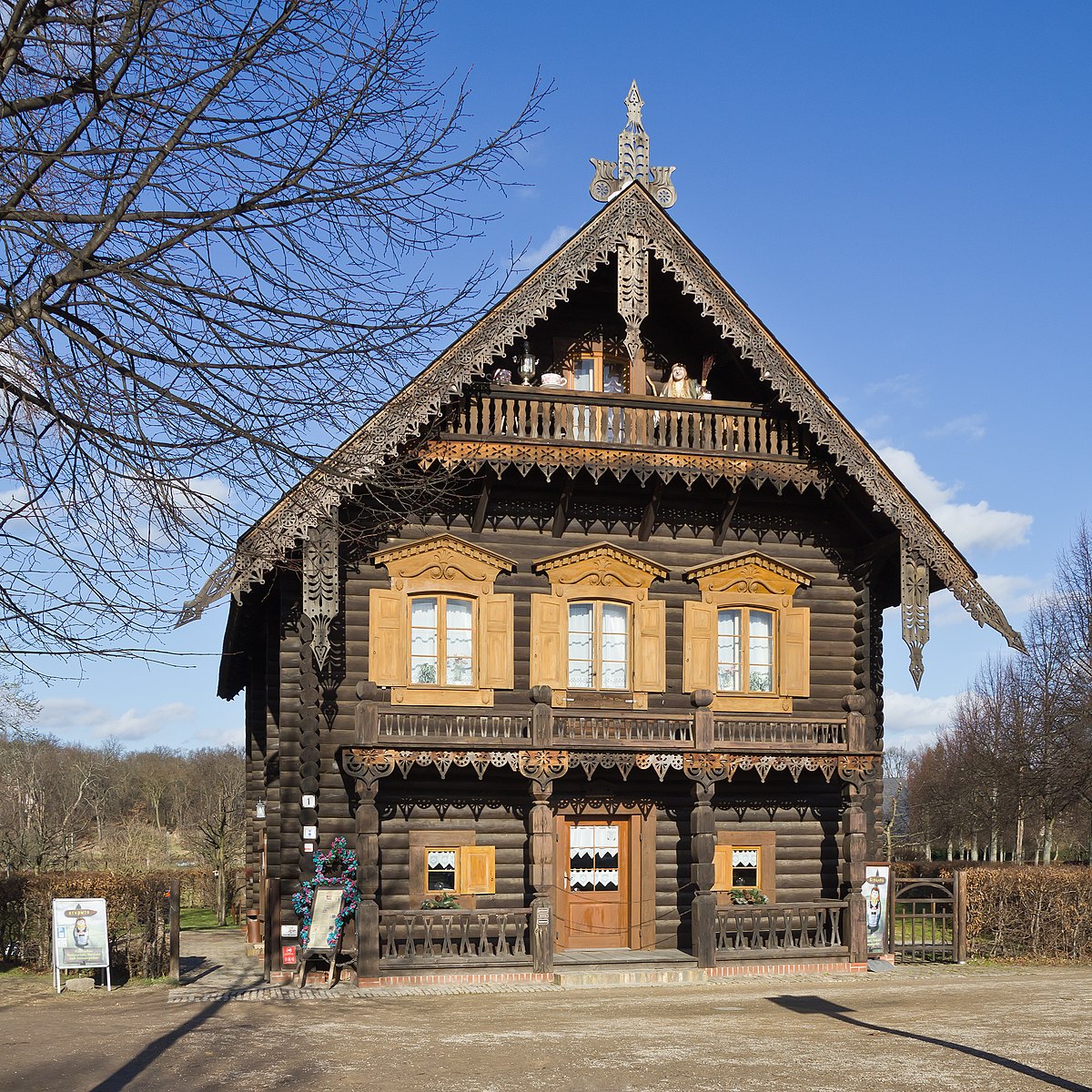
Alexandrowka
📍 Brandenburg, Germany
Located in the picturesque city of Potsdam, Germany, Alexandrowka is an intriguing architectural ensemble that reflects a unique blend of Russian and …

Alte Burg Penzlin
📍 Brandenburg, Germany
Alte Burg Penzlin, a captivating castle located in the quaint town of Penzlin, Germany, serves as a remarkable example of medieval architecture and …

Alte Dorfkirche Röxe
📍 Brandenburg, Germany
The Alte Dorfkirche Röxe stands as a poignant symbol of architectural and cultural history in the Stendal region of Germany. This church building, …