
Schleißheim palace complex
Overview
The Schleißheim palace complex, located in the charming village of Oberschleißheim near Munich, is a striking architectural ensemble that showcases the grandeur of baroque design. This remarkable site comprises three distinct palaces set within an expansive and meticulously landscaped park, offering visitors a glimpse into the opulence of Bavaria’s royal history. The complex not only serves as a historical landmark but also as a cultural hub, attracting those with an interest in architecture, history, and the arts.
As you approach this majestic site, you will find yourself enveloped in a serene atmosphere, where the beauty of nature complements the intricate artistry of the palatial structures. Whether you are wandering through the exquisitely designed gardens or exploring the interiors of the palaces, the Schleißheim complex promises an enriching experience steeped in cultural significance.
Visiting Schleißheim provides an opportunity to connect with Bavaria’s heritage, all while enjoying the tranquility of its surroundings. The blend of architectural mastery and lush landscapes make it a must-see for anyone traveling to this part of Germany.
History and Significance
The Schleißheim palace complex has a storied history that reflects the shifting dynamics of power and art in Bavaria. Originally conceived as a hunting lodge, it was transformed into a grand baroque residence by Elector Maximilian II Emanuel in the late 17th and early 18th centuries. The complex has since witnessed significant historical events, serving as a royal residence and a venue for cultural gatherings.
The palaces within the complex—Oberschleißheim, Lustheim, and the New Palace—each carry their own unique significance. Oberschleißheim, the main palace, is celebrated for its elaborate design and opulent interiors, while Lustheim was primarily used for festivities and entertainment. The New Palace, on the other hand, is a testament to the grandeur and aspirations of the Bavarian electors, showcasing an exquisite display of art and architecture.
The site also holds cultural importance as it reflects the influences of various artistic movements that shaped the baroque era. The gardens, meticulously designed to enhance the palatial structures, further emphasize the significance of landscape architecture in that period.
Over the centuries, the Schleißheim complex has not only been a residence for royalty but also a gathering place for artists and intellectuals, contributing to Bavaria’s cultural development. Its continued preservation allows visitors to appreciate the artistry and historical context that characterize this remarkable ensemble.
Architecture and Features
The Schleißheim palace complex is an architectural marvel, demonstrating the baroque style’s intricate details and grandeur. Each of the three palaces contributes to the overall aesthetic, showcasing a blend of artistic influences and innovative design principles.
Oberschleißheim, the centerpiece of the complex, features a symmetrical façade adorned with ornate decorations. The interior is equally impressive, with lavishly decorated rooms that reflect the opulent lifestyle of the Bavarian electors. Notable elements include grand staircases, exquisite ceiling frescoes, and richly furnished salons that transport visitors to a time of royal splendor.
Lustheim palace stands out for its playful design and serves as a delightful contrast to its more formal counterpart. Its gardens and surrounding parkland are designed to enhance the festive atmosphere, making it a favored location for celebrations and gatherings. The architecture here emphasizes lightness and whimsy, with carefully curated views that invite visitors to explore.
The New Palace exemplifies the baroque ideal of harmonious integration between architecture and nature. Its gardens are designed with precision, featuring geometric patterns and a variety of plant species that reflect the era’s landscaping techniques. The palace’s grand scale and decorative elements highlight the ambition of the Bavarian electors, making it a focal point of the complex.
Overall, the Schleißheim palace complex is a showcase of baroque architecture, where each building and its surroundings tell a story of artistic achievement, royal ambition, and cultural heritage.
Visiting Information
To visit the Schleißheim palace complex, travelers can access the site via various modes of transportation. The site is conveniently located near Munich, making it accessible for those traveling by car, public transport, or even on foot for the more adventurous. Check the official website for current information on public transportation options and routes.
Upon arrival, visitors can expect to immerse themselves in the beauty of the palaces and gardens. The complex is designed to accommodate guests, offering a leisurely experience where one can explore at their own pace. The recommended time to fully appreciate the site is approximately half a day, allowing ample time for both outdoor walks and indoor exploration.
While the palaces are open to the public, it is advisable to check the official website for hours and any potential entry fees, as these can vary throughout the year. The best times to visit are typically during the spring and early autumn months when the gardens are in full bloom and the weather is pleasant for strolling.
In addition to the palatial interiors and gardens, visitors may find occasional exhibitions or cultural events taking place, enhancing the overall experience. Be sure to check the official website for the latest information on events, as well as details on any guided tours that may be available.
Nearby Attractions
The Schleißheim palace complex is situated in a region rich with attractions that complement its historical and cultural significance. Nearby, visitors can explore:
Munich Residenz: The former royal palace of the Bavarian monarchs, offering a glimpse into opulent royal living with its vast collection of art and history.
Nymphenburg Palace: Just a short distance away, this baroque palace is famous for its beautiful gardens and impressive museum, providing insight into the lives of the Bavarian royals.
Olympiapark: A modern landmark in Munich, this expansive park was built for the 1972 Olympics and offers recreational activities, scenic views, and cultural venues.
BMW Museum: For automobile enthusiasts, the BMW Museum showcases the history and innovation behind one of Germany’s most iconic brands.
Dachau Concentration Camp Memorial Site: A sobering yet essential visit, this memorial site honors the victims of the Holocaust and provides educational insights into this dark chapter of history.
Insider Tips
To make the most of your visit to the Schleißheim palace complex, consider the following insider tips:
Photography: Capture the stunning architecture and gardens by visiting early in the morning or later in the afternoon for softer lighting. Be mindful of any restrictions on photography within the palatial interiors.
Crowd Avoidance: Weekdays are generally less crowded than weekends, making it an ideal time to explore the site peacefully. Visiting during the off-season can also enhance your experience, as you may have more space to wander.
Guided Tours: If you wish to delve deeper into the history and architecture, consider joining a guided tour. These tours often provide insights that enhance your understanding of the complex’s significance.
Practical Information
When planning your trip to the Schleißheim palace complex, it is beneficial to keep the following practical information in mind:
What to Bring: Comfortable walking shoes are recommended, as you will likely spend a considerable amount of time exploring the gardens and palatial interiors. A camera is essential for capturing the beauty of the site.
Seasonal Considerations: Consider the season when planning your visit. The gardens are particularly beautiful in spring and summer, while autumn offers a picturesque backdrop of changing leaves.
Amenities: Check the official website for information on available amenities, including restrooms and dining options, to ensure a comfortable visit.
Frequently Asked Questions
How long should I spend visiting?
A visit to the Schleißheim palace complex typically takes about half a day, allowing ample time to explore the gardens and the interiors of the palaces.
Is photography allowed?
Photography is generally permitted in the outdoor areas and some interiors, but be sure to check for specific restrictions in certain rooms or exhibitions.
Are there guided tours?
Yes, guided tours are often available, providing deeper insights into the history and architecture of the complex. Check the official website for scheduling and availability.
What’s the best time to visit?
The best times to visit are during the spring and early autumn months when the gardens are in full bloom, and the weather is pleasant for outdoor exploration.
Is it wheelchair accessible?
The Schleißheim palace complex aims to be accessible to all visitors. Check the official website for detailed accessibility information.
Can I buy tickets online?
Check the official website for current information on ticket purchasing options, including online sales.
Are there restrooms and cafes?
Yes, amenities such as restrooms and cafes are available on-site. Refer to the official website for specific locations and services.
What should I wear?
Dress comfortably, keeping in mind that you will be walking and possibly spending time outdoors. Weather-appropriate clothing is advised, especially in cooler months.
By combining architectural beauty, historical significance, and serene landscapes, the Schleißheim palace complex offers a unique experience for visitors. Enjoy your exploration of this magnificent ensemble, where each step reveals a new layer of Bavaria’s rich heritage.
Location
More in Bavaria

8. November 1939 (Denkmal)
📍 Bavaria, Germany
The 8. November 1939 (Denkmal) stands as a poignant monument in Munich, Germany, marking a significant moment in the nation’s history. Dedicated to …

Abbey of St. Nikola in Passau
📍 Bavaria, Germany
The Abbey of St. Nikola in Passau stands as a significant religious and cultural landmark in this historic German city. Located at coordinates …

Abensbergerdenkmal
📍 Bavaria, Germany
The Abensbergerdenkmal, a notable monument located in Freising, Upper Bavaria, Germany, serves as an evocative reminder of the region’s historical and …
Abrechen (München)
📍 Bavaria, Germany
Abrechen in München is a bridge that plays a significant role in the connectivity of this bustling German city. Located at coordinates 48.1357, …
Abschnittsbefestigung Andechs
📍 Bavaria, Germany
The Abschnittsbefestigung Andechs, a striking castle located in the scenic region of Andechs, Germany, offers a fascinating glimpse into the …
Abschnittsbefestigung im Taitinger Holz
📍 Bavaria, Germany
The Abschnittsbefestigung im Taitinger Holz represents an intriguing chapter in Germany’s medieval architectural narrative. Located in Bavaria, this …
More Architectural Ensembles

144., 176. und 184. Gemeindeschule
📍 Berlin, Germany
The 144., 176. und 184. Gemeindeschule, an architectural ensemble located in the vibrant city of Berlin, stands as a noteworthy example of educational …

Adelheidstraße 3–7, 9–12, 12a, 14, 15, 22–31, Amelungstraße 1, Friedrich-Ebert-Platz
📍 Lower Saxony, Germany
In the heart of Quedlinburg, Germany, lies a captivating architectural ensemble that reflects the town’s historical significance and cultural …

Aegidiimarkt
📍 Lower Saxony, Germany
Aegidiimarkt is a captivating architectural ensemble located in the heart of Münster, Germany. This vibrant square not only serves as a hub for local …
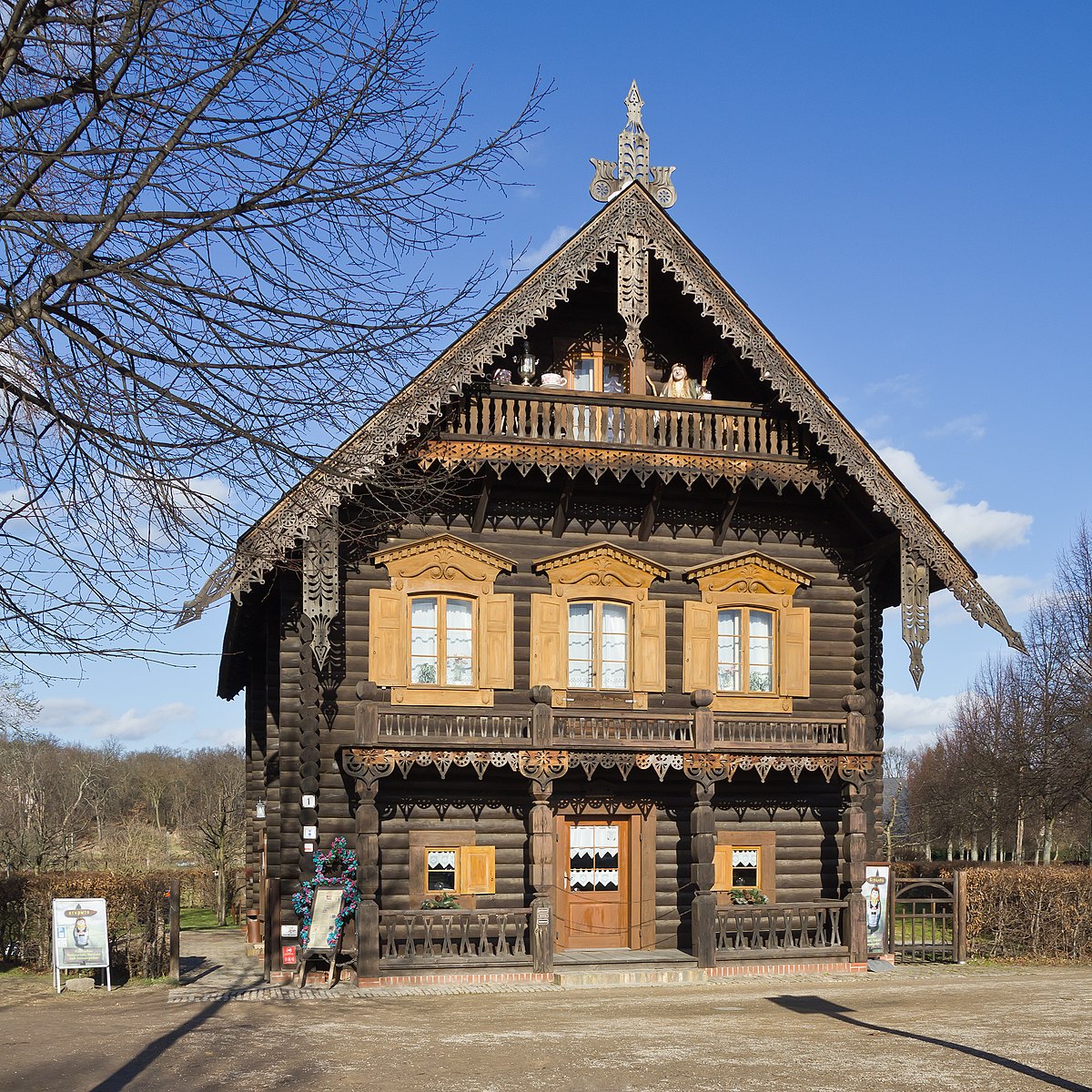
Alexandrowka
📍 Brandenburg, Germany
Located in the picturesque city of Potsdam, Germany, Alexandrowka is an intriguing architectural ensemble that reflects a unique blend of Russian and …

Alhauser Hammer
📍 North Rhine-Westphalia, Germany
Alhauser Hammer is a remarkable architectural ensemble located in Ennepetal, Germany, known for its historical significance as a water-driven hammer …

Alsdorfer Ölmühle
📍 North Rhine-Westphalia, Germany
The Alsdorfer Ölmühle, an architectural ensemble located in the heart of Alsdorf, Germany, is a remarkable example of a traditional watermill that …