
Schack Collection
Overview
The Schack Collection in Munich is a distinguished art museum that offers a unique glimpse into the rich cultural heritage of Germany through its extensive collection of 19th-century art. Housed in a historic building, the museum presents a carefully curated selection of works that reflect the artistic movements and societal shifts of the period. Visitors to the Schack Collection can explore a diverse array of paintings that not only showcase the talent of significant artists but also provide insight into the historical context of their creations.
Situated in the vibrant city of Munich, the museum’s location adds to its allure, making it a significant stop for art enthusiasts and travelers alike. The Schack Collection serves as a vital cultural resource, dedicated to preserving and sharing the artistic legacy of the 19th century. With its remarkable works of art and a commitment to education, the museum invites visitors to engage with the art in meaningful ways, promising an enriching experience for all who enter its doors.
History and Significance
The Schack Collection originated from the vision of Franz von Schack, a prominent figure in the art world of the 19th century. Schack’s passion for art led him to assemble an impressive collection that reflects the stylistic diversity of the time, showcasing pieces from various artists who were influential in shaping the artistic landscape of Europe. His efforts in collecting and promoting the works of these artists contributed significantly to the appreciation of 19th-century art in Germany.
The museum not only serves as a repository of art but also as an educational platform. It plays a crucial role in fostering an understanding of the historical and cultural narratives associated with the artworks. The collection includes notable pieces from renowned artists, inviting visitors to explore the themes and techniques that defined the era. By engaging with the art, visitors gain insight into the societal issues and artistic innovations that characterized the 19th century, making the Schack Collection a vital resource for understanding this transformative period in art history.
As a public institution, the Schack Collection also emphasizes accessibility and education, offering various programs and exhibitions that aim to reach a broad audience. Through its commitment to sharing knowledge and fostering appreciation for art, the museum continues to uphold the legacy of Franz von Schack while contributing to the cultural dialogue within Munich and beyond.
Architecture and Features
The architecture of the Schack Collection is a noteworthy aspect of the museum experience. The building itself reflects a blend of historical styles, providing a fitting backdrop for the impressive collection it houses. The design incorporates elegant detailing and spacious galleries that enhance the viewing experience, allowing visitors to appreciate the artworks in a conducive environment.
Inside, the museum features well-lit exhibition spaces that highlight the nuances of each piece. The layout is thoughtfully organized, guiding visitors through various thematic displays that showcase the diversity of the collection. Each gallery is designed to create a dialogue between the artworks, encouraging viewers to draw connections between different pieces and the broader artistic movements they represent.
Notable features of the museum include its carefully maintained interiors, which provide a sense of history and continuity. The thoughtful arrangement of artworks not only enhances their visual appeal but also allows for an immersive experience, where visitors can fully engage with the art on display. The combination of architectural beauty and artistic significance makes the Schack Collection a remarkable destination for both art lovers and casual visitors.
Visiting Information
Visiting the Schack Collection is a rewarding experience that allows for an in-depth exploration of 19th-century art in a serene setting. The museum is conveniently located in Munich, making it easily accessible via various modes of transportation. Visitors can reach the museum by public transport, including trams and buses, or by walking from nearby attractions.
Before planning your visit, it is advisable to check the official website for current information regarding opening hours and ticket prices. The museum typically allows ample time for exploration, and visitors may wish to spend between one to two hours to fully appreciate the collection.
For the best experience, consider visiting during weekdays or early in the day when the museum is less crowded. This will allow for a more intimate engagement with the artworks and a better opportunity to absorb the nuances of each piece.
In addition to the permanent collection, the Schack Collection frequently hosts temporary exhibitions, so be sure to check for any special events or programs that may be taking place during your visit.
Nearby Attractions
The Schack Collection is conveniently located near several other cultural and historical attractions in Munich, making it an excellent starting point for a day of exploration. Nearby sites of interest include:
Munich Residenz: A stunning former royal palace that showcases the opulence of Bavaria’s former rulers. Visitors can explore lavish rooms and extensive collections of art and artifacts.
Alte Pinakothek: One of the oldest galleries in the world, housing an impressive collection of European paintings from the Middle Ages to the Rococo period.
Englischer Garten: A sprawling public park that offers a peaceful retreat from the city’s hustle and bustle, complete with scenic walking paths, beer gardens, and a charming lake.
Deutsches Museum: The world’s largest museum of science and technology, featuring interactive exhibits that appeal to visitors of all ages.
St. Michael’s Church: A magnificent example of Renaissance architecture, known for its stunning interiors and historical significance.
These attractions complement a visit to the Schack Collection, providing an enriched cultural experience in the heart of Munich.
Insider Tips
To enhance your visit to the Schack Collection, consider these insider tips:
Photography: While photography may be allowed in certain areas, it is best to check for any specific restrictions upon entering the museum to respect the artwork and the experience of fellow visitors.
Crowd Avoidance: To enjoy a more tranquil experience, plan your visit during weekdays or during the early hours of the day. This will allow you to appreciate the art in a less crowded environment.
Guided Tours: If you are interested in deeper insights into the collection, inquire about any guided tour options available. These tours often provide valuable context and highlight significant works within the collection.
Practical Information
When preparing for your visit to the Schack Collection, consider the following practical information:
What to Bring: It is advisable to bring a small bag for personal items, as larger bags may not be permitted in the galleries. A notebook can be handy for jotting down thoughts or reflections on the art.
Seasonal Considerations: Depending on the season, dress comfortably and appropriately for the weather. Munich can experience varied climates, so check the forecast and plan accordingly.
Accessibility: The museum aims to be accessible to all visitors, so inquire about specific services if you have particular needs.
Dining Options: While there may not be dining facilities within the museum, nearby cafes and restaurants offer a variety of options for meals or refreshments before or after your visit.
Frequently Asked Questions
How long should I spend visiting?
Most visitors typically spend between one to two hours exploring the Schack Collection, depending on their interest in the artworks.
Is photography allowed?
Photography policies may vary; it is best to check with museum staff upon arrival for any restrictions.
Are there guided tours?
The museum may offer guided tours, which can provide deeper insights into the collection. Check the official website for availability.
What’s the best time to visit?
To avoid crowds, consider visiting during weekdays or early in the day.
Is it wheelchair accessible?
The museum is committed to accessibility for all visitors. For specific accessibility features, please contact the museum directly.
Can I buy tickets online?
Check the official website for information on ticket purchasing options, including online availability.
Are there restrooms and cafes?
Restroom facilities are available; however, check the official website for information on dining options nearby.
What should I wear?
Dress comfortably and appropriately for the season, as you may spend time walking and exploring.
More in Bavaria

8. November 1939 (Denkmal)
📍 Bavaria, Germany
The 8. November 1939 (Denkmal) stands as a poignant monument in Munich, Germany, marking a significant moment in the nation’s history. Dedicated to …

Abbey of St. Nikola in Passau
📍 Bavaria, Germany
The Abbey of St. Nikola in Passau stands as a significant religious and cultural landmark in this historic German city. Located at coordinates …

Abensbergerdenkmal
📍 Bavaria, Germany
The Abensbergerdenkmal, a notable monument located in Freising, Upper Bavaria, Germany, serves as an evocative reminder of the region’s historical and …
Abrechen (München)
📍 Bavaria, Germany
Abrechen in München is a bridge that plays a significant role in the connectivity of this bustling German city. Located at coordinates 48.1357, …
Abschnittsbefestigung Andechs
📍 Bavaria, Germany
The Abschnittsbefestigung Andechs, a striking castle located in the scenic region of Andechs, Germany, offers a fascinating glimpse into the …
Abschnittsbefestigung im Taitinger Holz
📍 Bavaria, Germany
The Abschnittsbefestigung im Taitinger Holz represents an intriguing chapter in Germany’s medieval architectural narrative. Located in Bavaria, this …
More Art Museums

Aachen Cathedral Treasury
📍 North Rhine-Westphalia, Germany
Aachen Cathedral Treasury, located in the historic city of Aachen, Germany, is a remarkable art museum that houses an impressive collection of …

Abteiberg Museum
📍 North Rhine-Westphalia, Germany
In the heart of Mönchengladbach, Germany, the Abteiberg Museum stands out as a prominent destination for art enthusiasts and cultural explorers alike. …

Akademisches Kunstmuseum
📍 North Rhine-Westphalia, Germany
In the heart of Bonn, Germany, lies the Akademisches Kunstmuseum, an art museum that invites visitors to explore a diverse collection of artworks …

Albertinum
📍 Saxony, Germany
Albertinum is a prominent art museum located in the heart of Dresden, Germany, serving as a significant cultural institution in the region. …

Albrecht Dürer's House
📍 Bavaria, Germany
Albrecht Dürer’s House stands as a significant cultural landmark in Nuremberg, Germany, celebrating the life and work of one of the Renaissance’s most …
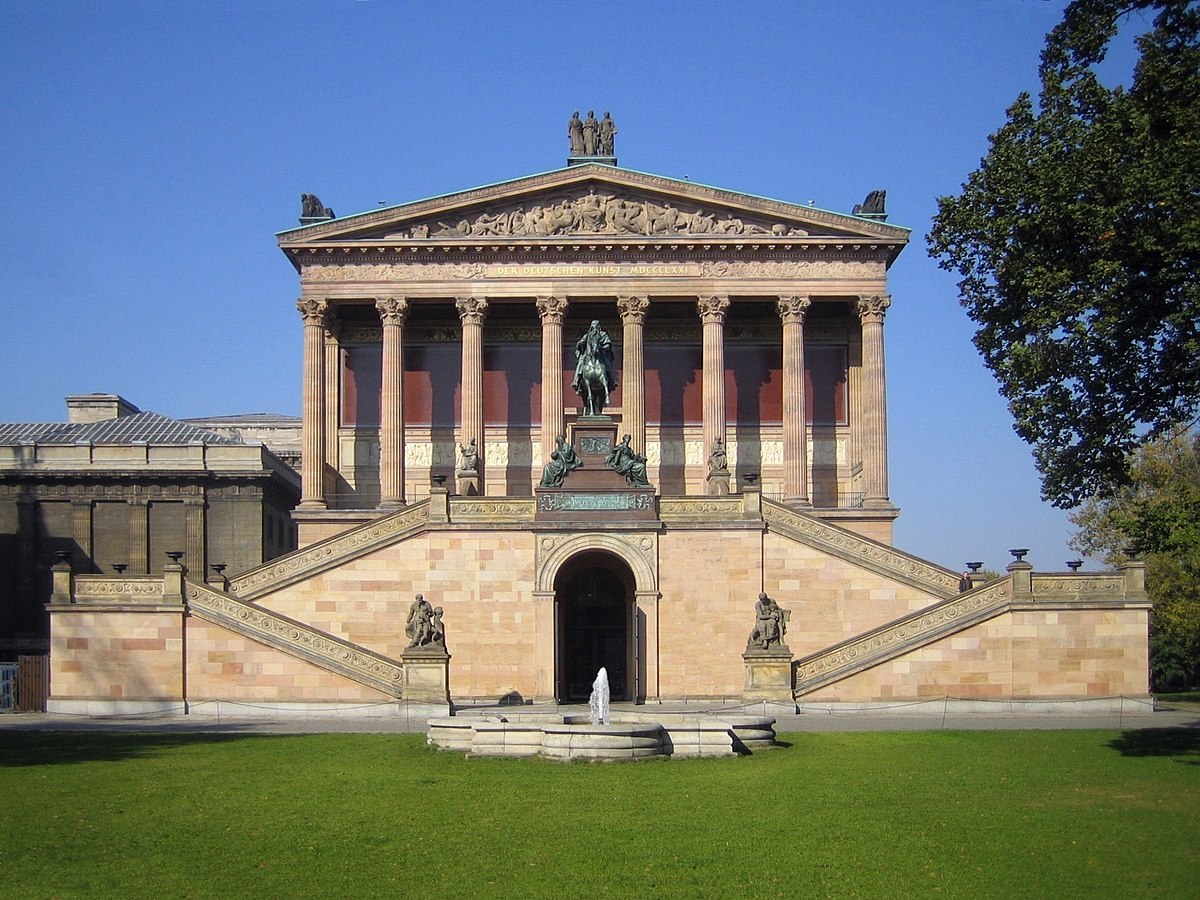
Alte Nationalgalerie
📍 Berlin, Germany
The Alte Nationalgalerie, an esteemed art museum located in Berlin’s Bezirk Mitte, is a cornerstone of cultural appreciation in Germany. This museum …