Overview
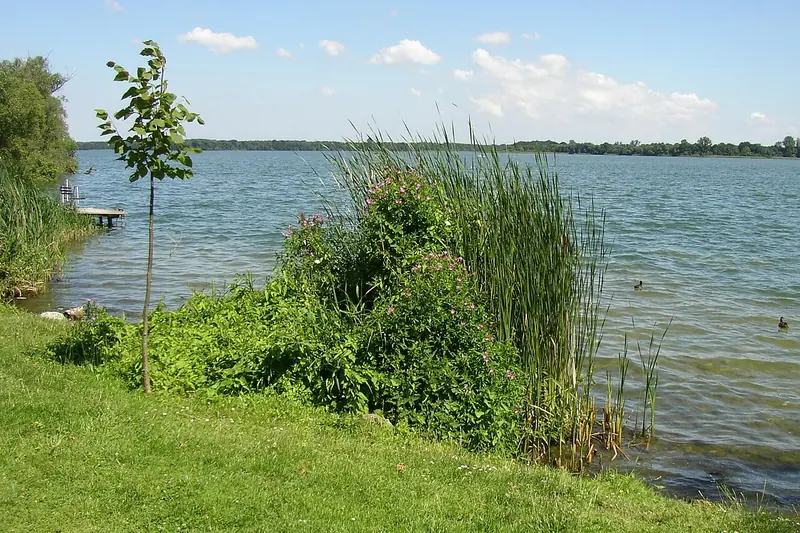
Imagine a landscape where lush greenery meets tranquil waters, a place where nature thrives in harmony. The Schaalsee Biosphere Reserve, located in Mecklenburg-Vorpommern, Germany, is a marvel of biodiversity and ecological preservation. This UNESCO Biosphere Reserve encompasses an area characterized by meadows, forests, and a large lake, creating a rich habitat for numerous plant and animal species. The reserve plays a crucial role in maintaining ecological balance and provides a living laboratory for scientific research and environmental education.
The Schaalsee area is not just a beautiful retreat; it holds significance as one of the most important natural sites in Germany. Its diverse ecosystems and commitment to conservation efforts attract nature enthusiasts, researchers, and visitors seeking to connect with the environment. As you explore this biosphere reserve, you will discover unique flora and fauna, tranquil walking paths, and opportunities for outdoor activities that allow you to immerse yourself in nature.
History and Significance
The history of the Schaalsee Biosphere Reserve reflects the broader narrative of ecological awareness and conservation in Germany. Over the centuries, this region has undergone various transformations, influenced by both natural processes and human activity. The establishment of the biosphere reserve underscores a commitment to preserving its unique ecosystems and promoting sustainable use of resources.
The area surrounding Schaalsee has seen significant ecological changes through the ages, influenced by agricultural practices, industrial development, and conservation efforts. Recognizing the ecological importance of this region, it was designated as a biosphere reserve, a move that highlights the importance of conserving natural habitats while promoting the sustainable use of these resources. This designation not only protects the environment but also fosters education and research opportunities, allowing for a deeper understanding of ecosystems and biodiversity.
Schaalsee is a critical habitat for a variety of species, including some that are rare or endangered. The reserve is significant in the context of global biodiversity conservation efforts, as it provides a sanctuary for wildlife and a space for ongoing ecological research. The integration of natural conservation with sustainable development serves as a model for other regions aiming to balance human needs with environmental protection.
Architecture and Features
While the Schaalsee Biosphere Reserve is primarily a natural site, its features are marked by the interplay of landscapes, flora, and fauna. The reserve includes a large lake, which is a central element of the ecosystem, surrounded by lush forests and extensive meadows. Visitors will appreciate the serene beauty of the landscape, where the water reflects the changing skies and the surrounding greenery.
The architectural significance within the reserve is minimal as it focuses primarily on the natural environment. However, the visitor facilities are designed to blend harmoniously with the landscape, offering educational resources and places to rest while maintaining the integrity of the natural surroundings. The pathways and observation points are strategically placed to enhance the visitor experience, allowing for unobstructed views of the diverse ecosystems.
Notable features of the reserve include various habitats, such as wetlands, forests, and grasslands, each supporting a unique array of wildlife. Birdwatchers will find particular delight here, with numerous species inhabiting the area, especially during migration seasons. The rich biodiversity is a focal point of the reserve, making it visually distinctive and ecologically valuable.
Visiting Information
Getting to the Schaalsee Biosphere Reserve is relatively straightforward, with various transport options available. Visitors can reach the area by car or public transport, with routes that offer scenic views of the surrounding landscape.
Hours: Check the official website for current opening hours. Prices: Visit the official website for current admission prices.
Expect a visitor experience that combines education with outdoor activities. The reserve offers well-marked trails for hiking and walking, allowing you to explore the diverse habitats at your own pace. On average, visitors spend about 1-2 hours in the reserve, depending on their interests and the activities they choose to engage in. Morning visits often provide a quieter atmosphere, while spring and fall are ideal times for enjoying the weather and observing wildlife.
Accessibility is an important consideration, and the reserve strives to accommodate all visitors, though checking specific access details is advisable.
Nearby Attractions
While the Schaalsee Biosphere Reserve is a captivating destination in its own right, several nearby attractions enhance the visitor experience:
Lübeck: Known for its well-preserved medieval architecture, this historic city offers a glimpse into Germany’s past, with sites including the Holstentor gate and various Hanseatic buildings.
Wismar: A UNESCO World Heritage site, Wismar features a charming old town with Gothic architecture and a picturesque harbor. It’s a delightful place to wander and soak in the maritime atmosphere.
Ratzeburg: This town is set on an island in a small lake and is known for its historic cathedral and beautiful landscapes. It’s an excellent spot for hiking and enjoying nature.
Insider Tips
To make the most of your visit to the Schaalsee Biosphere Reserve, consider these insider tips:
Photography: The best times for photography are early morning and late afternoon when the light is soft and the wildlife is most active. Look for vantage points along the trails for stunning landscape shots.
Lesser-known details: Pay attention to the informative signs along the paths, which detail the specific flora and fauna you might encounter. This adds depth to your visit.
Crowd avoidance: Visiting during weekdays or off-peak seasons can provide a more peaceful experience, allowing you to fully appreciate the reserve’s tranquility.
Local tips: Bring a pair of binoculars if you’re interested in birdwatching, as the variety of species is impressive. Additionally, consider packing a picnic to enjoy by the lake.
Practical Information
When preparing for your visit to the Schaalsee Biosphere Reserve, keep these practical details in mind:
What to bring: Comfortable walking shoes, water, a camera, and binoculars for wildlife viewing are recommended.
Seasonal considerations: The reserve is accessible year-round, but spring and fall are particularly pleasant. Summer can be warm, while winter may bring colder conditions, so dress accordingly.
Frequently Asked Questions
How long should I spend visiting?
Most visitors find that spending 1-2 hours allows enough time to walk the trails and absorb the natural beauty of the reserve.
Is photography allowed inside?
Yes, photography is allowed throughout the reserve, and many visitors enjoy capturing the stunning landscapes and diverse wildlife.
Are there guided tours available?
Check the official website for information on guided tours, as availability may vary.
What’s the best time of day to visit?
Early morning or late afternoon typically offers the best experience with fewer crowds and more active wildlife.
Is the site wheelchair accessible?
Accessibility may vary by trail, so it’s best to check specific access details on the official website.
Can I buy tickets online?
Visit the official website for information on ticket purchasing options.
Are there facilities like restrooms and cafes?
Check the official website for details on visitor facilities, as availability may differ.
What should I wear when visiting?
Dress in comfortable clothing suitable for outdoor activities, and wear sturdy shoes for walking on trails.
The Schaalsee Biosphere Reserve offers an engaging blend of natural beauty and ecological significance, making it a worthwhile destination for anyone looking to explore Germany’s rich environmental heritage.



