Saxon Memorial Foundation
Overview
The Saxon Memorial Foundation, situated in the historic city of Dresden, Germany, plays a crucial role in preserving the memory of the victims of totalitarian regimes, particularly those affected by the atrocities committed during the Nazi and Communist eras. Founded in 1994, this foundation oversees various significant sites across the Free State of Saxony, where heinous crimes against humanity occurred. By managing these memorial sites, the foundation not only honors the memories of the victims but also fosters public understanding and awareness about the consequences of totalitarianism.
The foundation’s mission extends beyond mere commemoration; it actively engages in education and outreach, ensuring that the lessons of history are not forgotten. This commitment to remembrance and reflection makes the Saxon Memorial Foundation an essential aspect of cultural heritage in Germany, encouraging visitors to engage with the past in meaningful ways. Whether you are a history enthusiast, a cultural traveler, or someone seeking to understand the complexities of Germany’s past, a visit to the Saxon Memorial Foundation can provide a profound perspective on the ongoing impact of these historical events.
History and Significance
The establishment of the Saxon Memorial Foundation came in the wake of Germany’s reunification, a period marked by reflection on the country’s tumultuous past. By managing sites where Nazis and Communists committed crimes, the foundation plays a vital role in ensuring that the memories of those who suffered are preserved and honored. Its inception in 1994 marked a formal recognition of the need to address the historical injustices that occurred in Saxony and beyond.
The foundation’s activities encompass various dimensions, including the preservation of memorial sites, educational initiatives, and public outreach. It underscores the importance of confronting historical narratives that have often been suppressed or overlooked. In doing so, the Saxon Memorial Foundation contributes not only to the memory of victims but also to a broader societal understanding of totalitarianism and its impacts.
Through its dedication, the foundation has become a pivotal player in fostering dialogue about the past, encouraging critical reflection on the legacies of oppression. The sites managed by the foundation serve as places of remembrance, learning, and contemplation, inviting visitors to engage with the difficult aspects of history that have shaped modern Germany.
Architecture and Features
The Saxon Memorial Foundation encompasses several significant sites across the Free State of Saxony, each with its own architectural and historical characteristics. While specific architectural details about these sites may vary, they often reflect the somber nature of their purpose. Memorials typically feature minimalist designs, emphasizing the gravity of the historical events they commemorate.
Common features among these memorials may include open spaces designed for reflection, plaques detailing the history of the site, and artistic elements that evoke a sense of remembrance. The architecture aims to create an environment conducive to contemplation, allowing visitors to engage with the past in a respectful manner.
The foundation’s sites are not only places of memory but also serve as educational resources. Many are equipped with informative displays and guided tours that help contextualize the historical significance of the events commemorated. These features work in tandem to provide a comprehensive understanding of the impact of totalitarian regimes in Germany.
Visiting Information
Visiting the Saxon Memorial Foundation offers a unique opportunity to engage with Germany’s complex history. Access to the foundation’s sites may vary, and it is advisable to check the official website for current information regarding hours of operation and any potential entrance fees.
When planning your visit, consider using public transportation as a convenient option to reach Dresden and the associated memorials. The city is well-connected by rail and bus services, making it accessible for both local and international travelers.
A visit to the foundation’s sites can typically take a few hours, depending on your level of engagement with the exhibits and the extent of your exploration. It is recommended to allocate sufficient time to absorb the information and reflect on the experiences being presented.
The best times to visit are generally during the spring and autumn months when the weather is milder, allowing for a more comfortable experience as you navigate the sites. However, these memorials can be visited year-round, and each season offers a different perspective on the environment surrounding these significant places.
Nearby Attractions
While visiting the Saxon Memorial Foundation, take the opportunity to explore other significant attractions in Dresden:
Dresden Frauenkirche: This stunning baroque church is an iconic symbol of the city, representing both the devastation of World War II and the resilience of the people in rebuilding it.
Zwinger Palace: A masterpiece of baroque architecture, the Zwinger houses several museums, including the Old Masters Picture Gallery, showcasing a rich collection of art.
Dresden Castle: Once the royal palace of the Saxon kings, this impressive structure offers insights into the region’s history and is home to several museums.
Semper Opera House: Renowned for its architectural beauty and rich cultural offerings, the opera house is a must-visit for music and architecture enthusiasts.
Brühl’s Terrace: Often referred to as the “Balcony of Europe,” this scenic promenade along the Elbe River provides stunning views and a pleasant place for a leisurely walk.
Insider Tips
When visiting the Saxon Memorial Foundation, consider these insider tips to enhance your experience:
Photography: Many memorials encourage reflection rather than photography, so be mindful of signage indicating photography policies. If allowed, capture the solemn atmosphere respectfully.
Crowd Avoidance: To avoid busy periods, consider visiting during weekdays or early in the morning. This can provide a quieter atmosphere for reflection and contemplation.
Guided Tours: Look for guided tour options, as knowledgeable guides can provide valuable insights and context that enrich the experience.
Practical Information
When planning your visit to the Saxon Memorial Foundation, here are a few practical considerations to keep in mind:
What to Bring: Dress comfortably and consider bringing a notebook if you wish to jot down thoughts or reflections. A camera may also be useful, respecting any photography guidelines.
Seasonal Considerations: If visiting during colder months, dress in layers to stay warm, as some memorials may have outdoor components.
Accessibility: Check the specific sites for wheelchair accessibility options to ensure a comfortable visit for all.
Frequently Asked Questions
How long should I spend visiting?
A visit can typically take a few hours, allowing time to explore exhibits and reflect.
Is photography allowed?
Photography policies vary by site; check for signage and respect any restrictions.
Are there guided tours?
Many sites offer guided tours. Check the official website for availability and scheduling.
What’s the best time to visit?
Spring and autumn generally provide milder weather, but the sites are accessible year-round.
Is it wheelchair accessible?
Accessibility varies by site. Check the official website for details on wheelchair access.
Can I buy tickets online?
Ticket purchasing options may differ by site; check the official website for current information.
Are there restrooms and cafes?
Facilities may vary; refer to specific site information for amenities available.
What should I wear?
Dress comfortably, considering the weather, and wear appropriate footwear for walking.
By engaging with the Saxon Memorial Foundation and its managed sites, visitors are invited to reflect on the vital lessons of history, ensuring that the past informs a better future.
More in Saxony

6. Grundschule "Am Großen Garten"
📍 Saxony, Germany
The 6. Grundschule “Am Großen Garten” stands as a significant educational institution in Dresden, Germany, embodying the principles of early childhood …

Albertinum
📍 Saxony, Germany
Albertinum is a prominent art museum located in the heart of Dresden, Germany, serving as a significant cultural institution in the region. …

All Saints Church, Dresden
📍 Saxony, Germany
All Saints Church, located in the vibrant city of Dresden, Germany, is a remarkable church building that captures the essence of the region’s …

Altarstein (Saxon Switzerland)
📍 Saxony, Germany
Altarstein, located in the picturesque region of Saxon Switzerland, Germany, is a captivating monument that draws visitors into its historical …

Alte Nikolaischule (Leipzig)
📍 Saxony, Germany
Alte Nikolaischule, located in the heart of Leipzig, Germany, is a significant educational institution with a rich heritage. Founded as a school, it …
Alte Schulbrücke Oberbobritzsch
📍 Saxony, Germany
The Alte Schulbrücke Oberbobritzsch is a striking bridge situated in the Bobritzsch-Hilbersdorf region of Germany. This structure serves not only as a …
More Foundations

Academy of the Konrad-Adenauer-Stiftung
📍 Berlin, Germany
The Academy of the Konrad-Adenauer-Stiftung, located in the heart of Berlin, is not just a foundation but a hub of intellectual discourse and …

Akademie Schloss Solitude
📍 Baden-Württemberg, Germany
Akademie Schloss Solitude is a distinguished foundation located in Stuttgart, Germany, that serves as a cultural and artistic haven for individuals …
Alerds-Stiftung
📍 Lower Saxony, Germany
Alerds-Stiftung, located in the historic city of Brunswick, Germany, represents a significant cultural and philanthropic institution dedicated to …

Alfred Wegener Institute for Polar and Marine Research
📍 Bremen, Germany
The Alfred Wegener Institute for Polar and Marine Research, located in Bremerhaven, Germany, stands as a cornerstone of scientific inquiry into the …

Bavarian Elite-Academy
📍 Bavaria, Germany
The Bavarian Elite-Academy, located in the vibrant city of Munich, Germany, is a foundation dedicated to fostering excellence in various fields of …
Beethoven House
📍 North Rhine-Westphalia, Germany
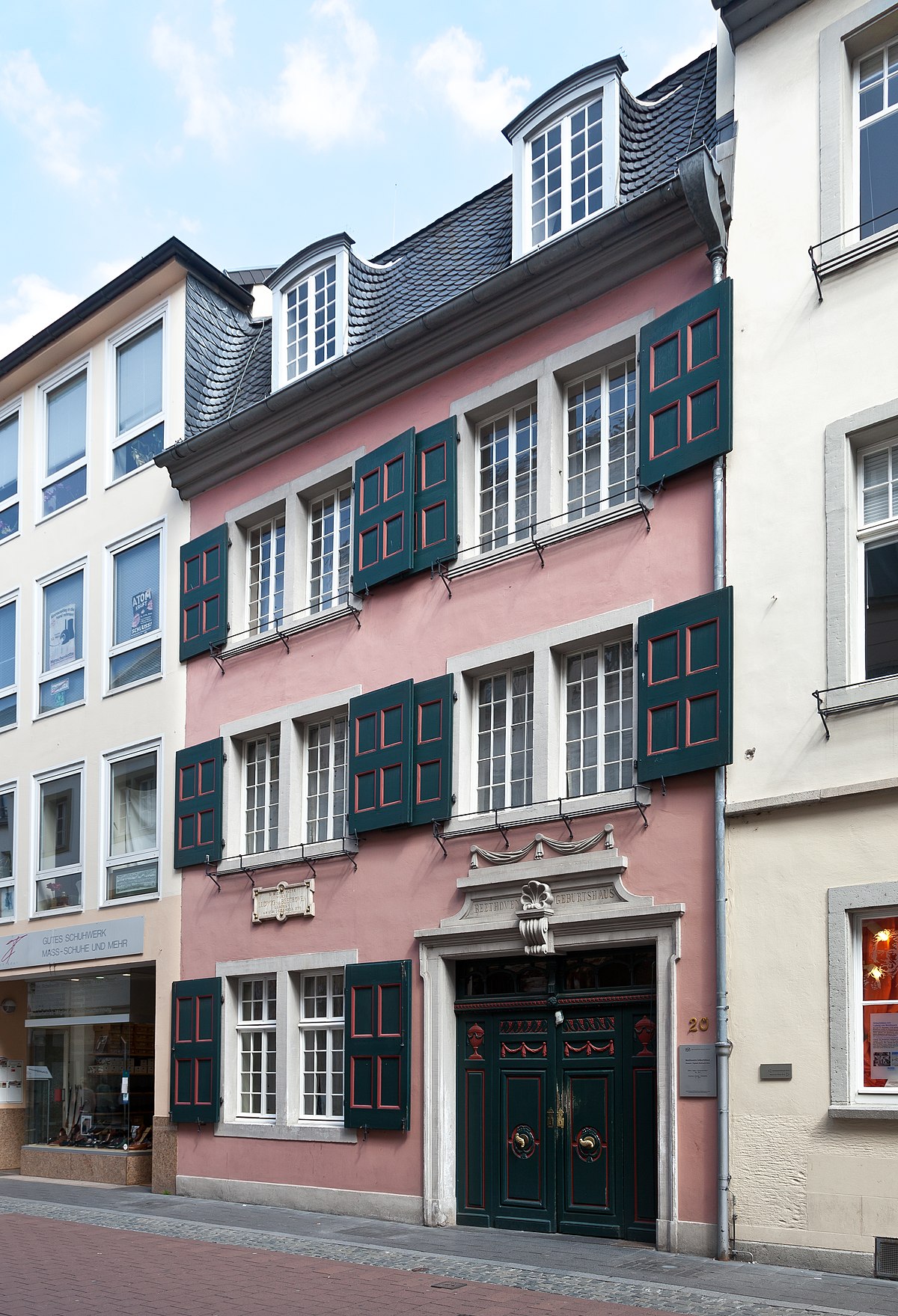
Beethoven House is a celebrated museum and the birthplace of Ludwig van Beethoven, one of the most influential composers in Western music history. …