Overview
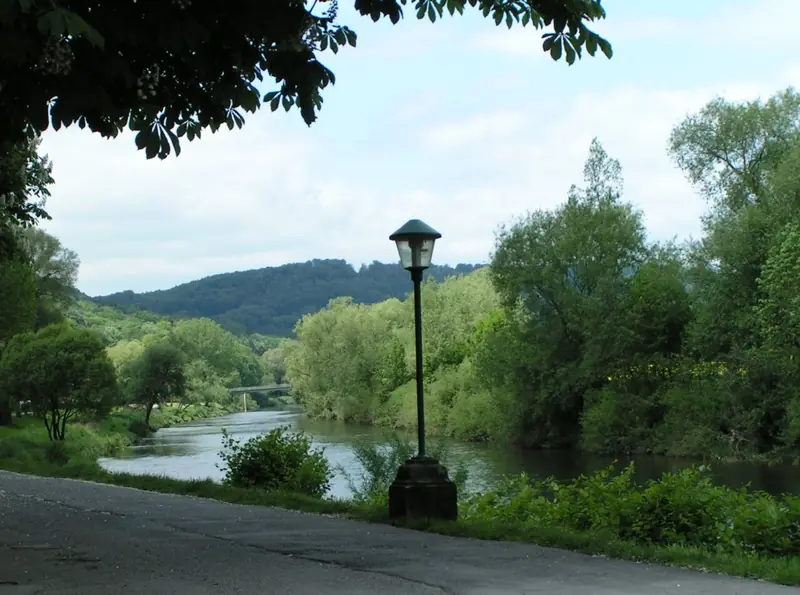
The Sauer River flows gracefully through the borders of Belgium, Luxembourg, and Germany, weaving a path that reflects the natural beauty of the region. This river not only serves as a vital waterway but also holds significant cultural and ecological importance. With its serene surroundings and rich biodiversity, the Sauer offers a tranquil escape for nature enthusiasts and a glimpse into the interconnectedness of the three nations it traverses. Visitors will find opportunities for recreation, exploration, and appreciation of the river’s natural landscapes, making it a notable destination for travelers seeking a connection to the environment.
History and Significance
The Sauer River has played a significant role in the history and culture of the regions it flows through. Historically, it has served as a natural boundary between nations, particularly between Luxembourg and Germany, influencing territorial disputes and cooperation. The river has also been a vital resource for local communities, providing water for agriculture and serving as a means of transportation for goods and people in earlier times.
Culturally, the Sauer has inspired local traditions, folklore, and artistic expressions. The riverbanks are home to various settlements that have thrived thanks to the fertile lands and the river’s resources. As such, the Sauer is more than just a geographical feature; it is woven into the social fabric of the region, shaping the identities and experiences of those living along its banks.
In addition to its cultural relevance, the river supports a diverse ecosystem. The surrounding areas provide habitats for various flora and fauna, making it an essential site for biodiversity conservation. The Sauer’s health and vitality are crucial for the broader environmental landscape, stressing the importance of sustainable practices in preserving this natural treasure.
Architecture and Features
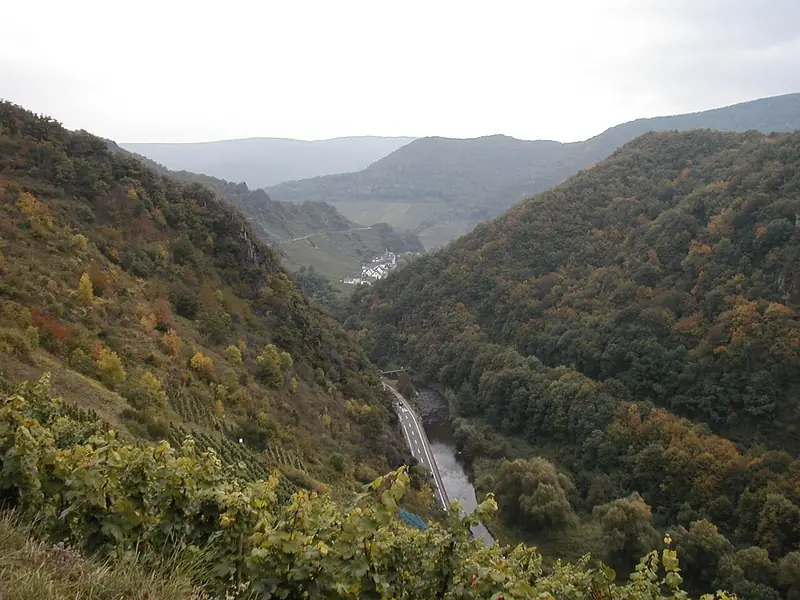
The Sauer River is characterized by its winding course, which creates a picturesque landscape that varies between tranquil stretches and more dynamic, flowing sections. Its banks are often lined with lush vegetation, offering a habitat for numerous species of birds and other wildlife. The river’s clear waters reflect the surrounding greenery, creating a serene environment that invites exploration and relaxation.
One of the notable features of the Sauer is its role in the regional hydrology. It serves as part of the larger river system that supports the ecology of the area. The river’s sources can be traced back to the Ardennes region, where it begins its journey, eventually merging with other water bodies. This interconnectedness emphasizes the importance of the Sauer not just as an isolated river but as part of a broader network of waterways that sustain the landscape.
Along the banks, you may find charming villages and towns that display traditional architecture, showcasing the cultural heritage of the area. While specific structures are not detailed in the data, the architectural style reflects the historical influences of the regions through which the river flows.
Visiting Information
Traveling to the Sauer River is accessible via several transportation options, including personal vehicles and public transport. Various towns along the river offer access points, and local information centers can provide guidance on navigating the area. Visitors are encouraged to check the official website for current information regarding any specific access points or facilities.
Expect a range of activities available for outdoor enthusiasts, including hiking, cycling, and birdwatching. The river’s banks provide ample opportunities for picnicking, while the scenic vistas offer a peaceful retreat. Depending on your interests, plan to spend several hours to a full day exploring the river and its surroundings.
The best times to visit are typically during the spring and early autumn when the weather is mild and the natural beauty of the river is at its peak. Seasonal changes can dramatically alter the landscape, offering new experiences with each visit.
Nearby Attractions
Vianden Castle: Located a short drive from the Sauer River, this impressive medieval castle overlooks the town of Vianden and offers insights into the region’s history.
Echternach: This charming town, known for its historical significance and beautiful architecture, is situated near the Sauer and is an excellent stop for those exploring the river.
Müllerthal Trail: Recognized for its stunning rock formations and lush forests, this hiking trail is in close proximity to the Sauer, providing outdoor enthusiasts with ample exploration opportunities.
Luxembourg City: A short journey from the river, Luxembourg City offers a blend of modernity and history, with its fortified old town and various cultural attractions.
Berdorf: This picturesque village serves as a gateway to the surrounding natural beauty and offers various outdoor activities, making it an ideal complement to a visit to the Sauer.
Insider Tips
For those interested in photography, early mornings or late afternoons provide the best lighting, highlighting the river’s beauty and the surrounding landscapes. Look for vantage points along the riverbanks where the reflections in the water create stunning compositions.
To avoid crowds, consider visiting during weekdays or in the off-peak seasons. Early spring and late autumn often see fewer visitors, allowing for a more peaceful experience.
Practical Information
When planning your visit, be sure to bring essentials such as water, snacks, and appropriate outdoor gear, particularly if you intend to hike or engage in other activities. Depending on the season, dress in layers to accommodate for changing weather conditions.
If visiting during warmer months, consider bringing sun protection, such as hats and sunscreen, as well as insect repellent for the areas near the water. Always check the weather forecast prior to your visit to ensure a comfortable experience.
Frequently Asked Questions
How long should I spend visiting?
A visit can range from a few hours to a full day, depending on your interests and activities planned along the river.
Is photography allowed?
Yes, photography is permitted, and the scenic landscapes along the river provide excellent opportunities for capturing the natural beauty.
Are there guided tours?
While specific guided tours are not mentioned, local information centers may offer resources or recommendations for exploring the area.
What’s the best time to visit?
Spring and early autumn are generally considered the best times to visit, offering pleasant weather and vibrant scenery.
Is it wheelchair accessible?
Accessibility information may vary by location along the river; it’s advisable to check with local resources or information centers for specific details.
Can I buy tickets online?
Check the official website for information regarding any required permits or access fees.
Are there restrooms and cafes?
Restroom facilities and cafes may be found in nearby towns and villages; it’s best to plan accordingly.
What should I wear?
Wear comfortable outdoor clothing suitable for the weather and terrain, along with sturdy footwear for any hiking or walking activities.