
Sanssouci Picture Gallery
Overview
The Sanssouci Picture Gallery is an art museum located in the historic grounds of Sanssouci Park in Potsdam, Germany. This distinguished gallery, housed within a stunning architectural framework, showcases an impressive collection of paintings primarily from the 17th and 18th centuries. The gallery is a significant cultural landmark, drawing art enthusiasts and casual visitors alike who wish to immerse themselves in a world of artistic expression and historical context. The museum is set against the backdrop of lush gardens and regal architecture, contributing to its allure and importance in the context of German heritage.
The gallery’s collection features works by renowned artists, offering insights into the artistic movements that flourished during its inception. Visitors can expect to explore not only exquisite artworks but also the historical narratives interwoven with each piece, making it a rewarding experience for those seeking deeper understanding of art history. The Sanssouci Picture Gallery stands as a testament to the cultural pursuits of the Prussian kings and their commitment to the arts, providing a window into the past through the lens of artistic creation.
History and Significance
The Sanssouci Picture Gallery was established during the reign of Frederick the Great, the King of Prussia, who was a passionate patron of the arts. This gallery formed part of the larger Sanssouci Palace complex, which served as Frederick’s summer residence. The gallery’s inception marked a significant moment in the 18th-century cultural landscape, reflecting the values and aesthetics of the Enlightenment era. Frederick’s vision was not merely to amass art but to create an environment where art and nature coexisted harmoniously, a concept that resonates throughout the grounds of Sanssouci.
The gallery was designed to serve not only as a display space for artworks but also as a venue for social gatherings and intellectual discourse. It became a haven for artists, philosophers, and thinkers, contributing to the vibrant cultural scene of the time. The collection within the gallery includes notable works by European masters, which were carefully curated to reflect the artistic ideals of the period. The significance of the gallery extends beyond its collection; it embodies the ethos of an era that valued enlightenment thinking, aesthetic beauty, and the pursuit of knowledge.
The gallery itself is emblematic of the stylistic transitions that occurred in European art. The paintings represent a variety of genres, including portraits, landscapes, and historical scenes, showcasing the breadth of artistic expression during Frederick’s time. As a result, the Sanssouci Picture Gallery is not only a repository of art but also a critical site for understanding the evolution of artistic thought and patronage in the 18th century.
Architecture and Features
The architectural design of the Sanssouci Picture Gallery is intrinsically linked to the grandeur of the Sanssouci Palace. The gallery is characterized by its elegant proportions and refined detailing, which reflect the Rococo style that was prevalent during its construction. The interplay of light and space within the gallery enhances the viewing experience, allowing visitors to appreciate the artworks in a setting that complements their aesthetic qualities.
The interior of the gallery is adorned with intricate ceiling frescoes and decorative elements that echo the themes of the artworks on display. This harmonious relationship between architecture and art creates an immersive atmosphere for visitors. The layout of the gallery facilitates a natural flow from one artwork to the next, encouraging exploration and contemplation.
One of the notable features of the gallery is its collection of paintings, which are displayed in a way that highlights their artistic significance while also allowing for a personal engagement with the pieces. The thoughtful arrangement of artworks not only showcases the skill of the artists but also invites viewers to consider the stories and contexts behind each piece.
Additionally, the gallery’s setting within the expansive Sanssouci Park enhances its appeal, as visitors can enjoy the surrounding gardens and landscapes that Frederick the Great envisioned. This combination of art and nature creates a unique experience, making the gallery a prominent highlight within the broader historical and cultural landscape of Potsdam.
Visiting Information
Visiting the Sanssouci Picture Gallery offers an enriching experience, blending art appreciation with historical exploration. To reach the gallery, various transport options are available, including public transportation, bicycles, and walking paths through the picturesque Sanssouci Park. The gallery is conveniently situated within the park, allowing visitors to easily incorporate it into a broader exploration of the area.
Check the official website for current information regarding opening hours and ticket prices, as these can vary throughout the year. It is advisable to allocate a minimum of one to two hours for a visit to fully appreciate the artworks and the environment. The best times to visit are typically during weekdays and early mornings to avoid larger crowds, allowing for a more intimate experience with the art.
Upon arrival, visitors can expect a well-curated space that facilitates engagement with the artworks. The gallery often organizes special exhibitions and events, which can enhance the visit. Be prepared for a potentially busy atmosphere on weekends or during holidays, which may require more time for exploration.
Nearby Attractions
While visiting the Sanssouci Picture Gallery, there are several nearby attractions that further enrich the cultural experience. These include:
Sanssouci Palace: The magnificent summer residence of Frederick the Great, featuring stunning gardens and opulent interiors, is a must-see adjacent to the Picture Gallery.
New Palace (Neues Palais): This baroque palace offers visitors a glimpse into royal life and is home to an impressive collection of art and antiques.
Chinese House: Located within the Sanssouci Park, this unique structure showcases the blend of Eastern and Western architectural styles, providing a whimsical contrast to the surrounding landscape.
Orangerie Palace: Renowned for its impressive collection of Dutch paintings, this palace is an architectural marvel and a perfect complement to the artistic journey.
Potsdam City Center: Just a short distance away, the city center offers delightful shops, cafes, and historical sites, including the historic Brandenburg Gate.
Insider Tips
To enhance your visit to the Sanssouci Picture Gallery, consider the following tips:
Photography: Be mindful of the gallery’s photography policies. While some areas may allow photography, capturing images of artworks could be restricted. Always check for signs or ask staff for clarification.
Crowd Avoidance: To experience the gallery with fewer visitors, aim for weekdays or early morning slots. Exploring during off-peak times allows for a more personal connection with the art.
Guided Tours: If you are interested in gaining deeper insights, consider joining a guided tour. These often provide valuable context and background on the collection and its significance.
Preparation: Wear comfortable shoes, as you may wish to explore the surrounding gardens and other nearby attractions.
Practical Information
When planning your visit to the Sanssouci Picture Gallery, consider these practical details:
What to Bring: A small bag for personal items is recommended, along with a water bottle to stay hydrated while exploring the grounds.
Seasonal Considerations: The experience can vary by season, with spring and summer being popular times due to the blooming gardens. However, visiting during the fall can offer a tranquil atmosphere as the leaves change colors.
Accessibility: Check the official website for accessibility options, as the gallery aims to accommodate all visitors.
Cafes and Restrooms: While the gallery may not have dining facilities, nearby cafes in Sanssouci Park provide refreshments. Public restrooms are typically available within the park.
Frequently Asked Questions
How long should I spend visiting?
A visit typically takes between one to two hours, but you may want to allocate more time if you plan to explore the surrounding gardens and other attractions.
Is photography allowed?
Photography policies may vary, so check for signs regarding photography or ask staff for guidance regarding specific areas.
Are there guided tours?
Yes, guided tours are often available and can provide insightful context about the artworks and history of the gallery.
What’s the best time to visit?
Weekdays and early mornings are usually the best times to avoid larger crowds and enhance your experience.
Is it wheelchair accessible?
Check the official website for detailed information on accessibility options and facilities for visitors with mobility challenges.
Can I buy tickets online?
Ticket purchasing options may vary; check the official website for the latest information regarding online ticket availability.
Are there restrooms and cafes?
Restrooms are typically available within Sanssouci Park, and nearby cafes offer refreshments for visitors.
What should I wear?
Comfortable clothing and shoes are advisable, especially if you plan to explore the gardens and surrounding areas.
Visiting the Sanssouci Picture Gallery promises an enriching encounter with art and history, inviting you to explore the legacy of one of Prussia’s most illustrious patrons.
More in Brandenburg
Agnetenkloster
📍 Brandenburg, Germany
Agnetenkloster, a former monastery located in the heart of Magdeburg, Germany, invites visitors to explore its serene ambiance and historical …

Agroneum
📍 Brandenburg, Germany
Agroneum is a museum located in the serene landscape of Alt Schwerin, Germany. This establishment serves as a vibrant hub for those interested in the …

Alexander Nevsky Memorial Church
📍 Brandenburg, Germany
The Alexander Nevsky Memorial Church in Potsdam, Germany, offers visitors a unique glimpse into the city’s cultural and religious heritage. This …
Alexandrowka
📍 Brandenburg, Germany
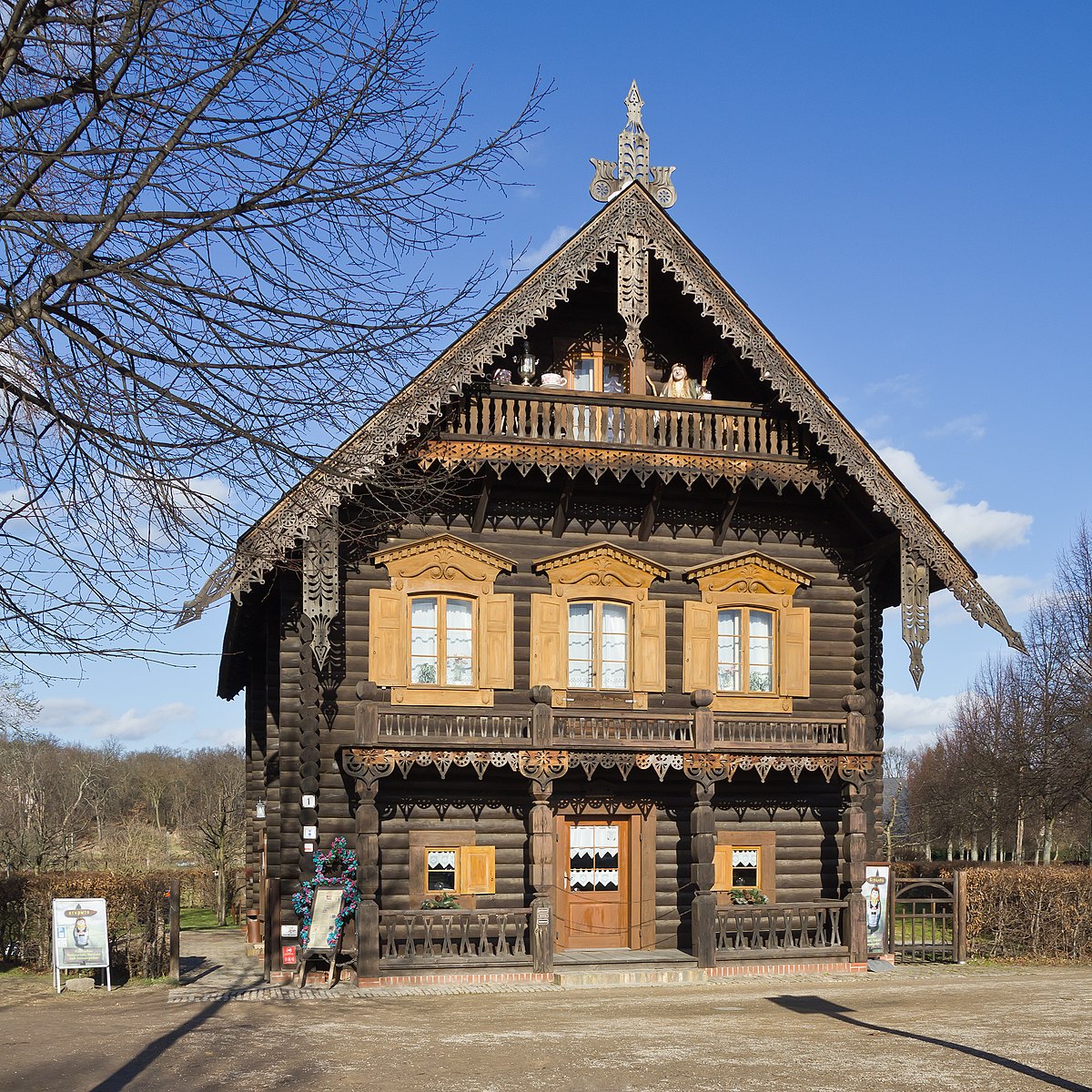
Located in the picturesque city of Potsdam, Germany, Alexandrowka is an intriguing architectural ensemble that reflects a unique blend of Russian and …

Alte Burg Penzlin
📍 Brandenburg, Germany
Alte Burg Penzlin, a captivating castle located in the quaint town of Penzlin, Germany, serves as a remarkable example of medieval architecture and …

Alte Dorfkirche Röxe
📍 Brandenburg, Germany
The Alte Dorfkirche Röxe stands as a poignant symbol of architectural and cultural history in the Stendal region of Germany. This church building, …
More Art Museums

Aachen Cathedral Treasury
📍 North Rhine-Westphalia, Germany
Aachen Cathedral Treasury, located in the historic city of Aachen, Germany, is a remarkable art museum that houses an impressive collection of …

Abteiberg Museum
📍 North Rhine-Westphalia, Germany
In the heart of Mönchengladbach, Germany, the Abteiberg Museum stands out as a prominent destination for art enthusiasts and cultural explorers alike. …

Akademisches Kunstmuseum
📍 North Rhine-Westphalia, Germany
In the heart of Bonn, Germany, lies the Akademisches Kunstmuseum, an art museum that invites visitors to explore a diverse collection of artworks …

Albertinum
📍 Saxony, Germany
Albertinum is a prominent art museum located in the heart of Dresden, Germany, serving as a significant cultural institution in the region. …

Albrecht Dürer's House
📍 Bavaria, Germany
Albrecht Dürer’s House stands as a significant cultural landmark in Nuremberg, Germany, celebrating the life and work of one of the Renaissance’s most …
Alte Nationalgalerie
📍 Berlin, Germany
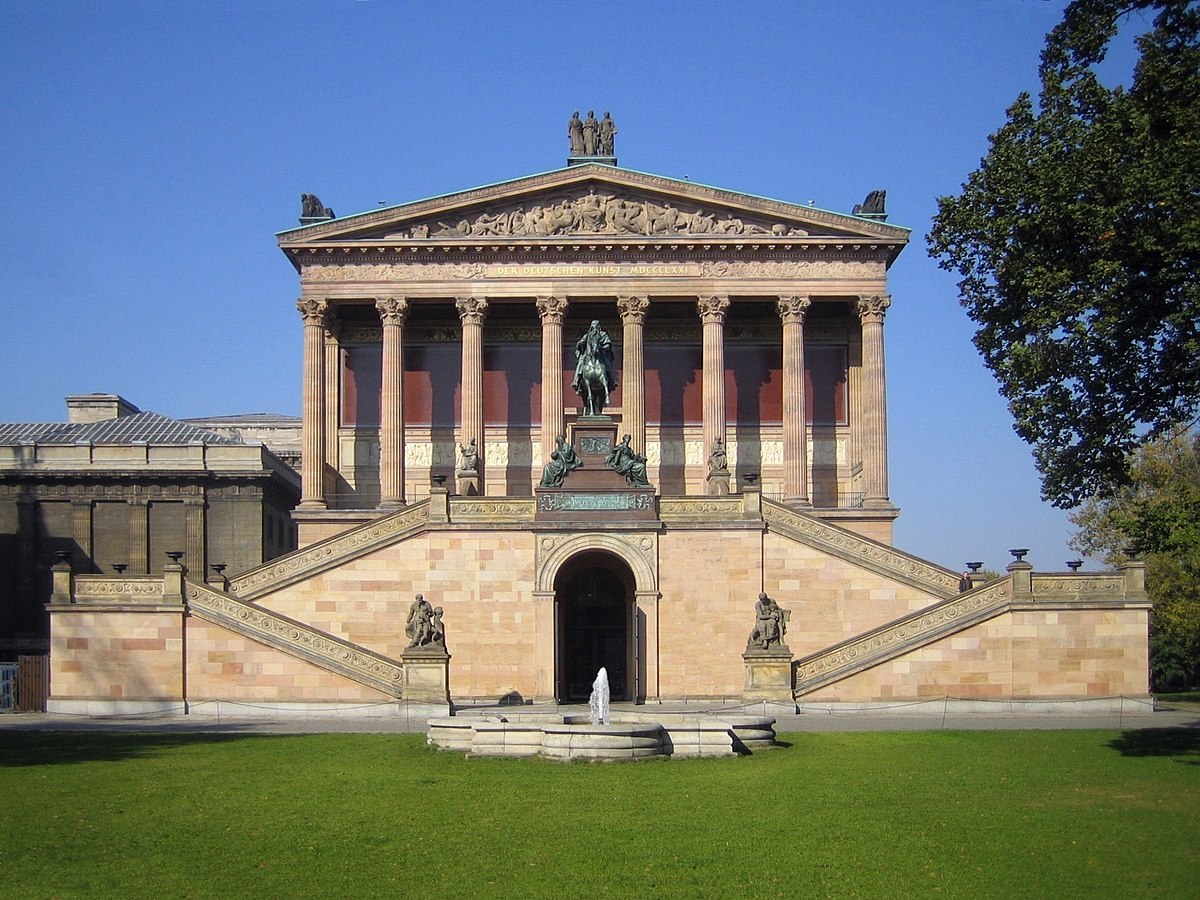
The Alte Nationalgalerie, an esteemed art museum located in Berlin’s Bezirk Mitte, is a cornerstone of cultural appreciation in Germany. This museum …