
Sanssouci Park
Overview
Sanssouci Park stands as a serene expanse in the western suburbs of Potsdam, Germany, known for its harmonious blend of nature and historical architecture. This expansive park, with its sprawling gardens and elegant structures, offers visitors a glimpse into the grandeur of the 18th-century landscape design. Created as a retreat for Frederick the Great, King of Prussia, Sanssouci Park reflects the ideals of the Enlightenment and remains a significant cultural and recreational destination today.
The park’s geographic context in Potsdam places it in a region steeped in royal history, with the nearby city serving as a former residence for Prussian kings. The significance of Sanssouci Park is underscored by its designation as a UNESCO World Heritage site, recognized for its cultural landscape that exemplifies the artistic and architectural trends of its time. Visitors can expect a tranquil atmosphere, punctuated by meticulously maintained gardens, vibrant floral displays, and historical monuments that invite exploration.
Whether you are a history enthusiast, a nature lover, or simply seeking a peaceful escape, Sanssouci Park promises an enriching experience filled with beauty and cultural resonance.
History and Significance
Sanssouci Park was conceived in the mid-18th century as a retreat for Frederick the Great. The name “Sanssouci,” which translates to “without worry,” aptly reflects Frederick’s intention for the site to serve as a place of relaxation and contemplation. The park’s design is emblematic of the Rococo style, characterized by its informal arrangement and naturalistic approach to landscaping, diverging from the formal gardens typical of earlier European designs.
Frederick’s vision for the park included not only the gardens but also a series of structures that enhanced the aesthetic and functional qualities of the area. The primary focal point is the magnificent Sanssouci Palace, where the king resided, crafted to embody his personal style and tastes. Surrounding the palace, the gardens feature terraced vineyards, intricate pathways, and a variety of ornamental plants and sculptures that showcase the artistic sensibilities of the time.
The cultural importance of Sanssouci Park extends beyond its immediate surroundings. It serves as a reflection of the Enlightenment ideals that influenced many European courts, promoting reason, nature, and the arts. The park has inspired generations of artists, poets, and gardeners, contributing to its legacy as a site of inspiration and creativity.
Today, Sanssouci Park continues to draw visitors from around the world, not only as a historical site but also as a living example of landscape architecture. The park’s designation as a UNESCO World Heritage site highlights its significance in the context of cultural history and environmental stewardship, ensuring its preservation for future generations.
Architecture and Features
Sanssouci Park is characterized by its unique combination of natural beauty and architectural grandeur. The landscape is defined by a series of terraces that rise gently from the palace to the surrounding gardens, creating a visually captivating ascent. The terraced vineyards are not only aesthetically pleasing but also historically significant, as they reflect the agricultural practices of the time.
Central to the park’s architecture is the Sanssouci Palace, recognized for its elegant Rococo style. The building features a low, horizontal structure adorned with vibrant frescoes and elaborate ornamentation. The palace’s façade is complemented by classical sculptures and fountains, enhancing its grandeur. Inside, the rooms are decorated with fine art and furnishings that reflect Frederick’s tastes and interests.
In addition to the palace, the park includes several other notable features. The New Palace, with its baroque architecture, serves as a contrast to the more intimate Sanssouci Palace and showcases the opulence of the Prussian court. The Chinese House, another remarkable structure within the park, exemplifies the fascination with exotic designs that was prevalent during Frederick’s reign. Its intricate details and colorful decorations are a testament to the cultural exchanges of the era.
The gardens of Sanssouci Park are meticulously designed, with a variety of plant species and seasonal blooms that offer a changing panorama throughout the year. Visitors can wander along winding paths that lead to charming pavilions, sculptures, and water features, each contributing to the park’s serene atmosphere.
Visiting Information
Visiting Sanssouci Park offers an opportunity to immerse oneself in both nature and history. The park is accessible by various modes of transport, including public transit options that connect to Potsdam’s city center. Visitors are encouraged to check the official website for current information on hours and prices, as these may vary throughout the year.
A visit to Sanssouci Park typically requires a few hours to fully appreciate its beauty and significance. Many guests often spend half a day exploring the gardens, appreciating the architecture, and enjoying the peaceful surroundings. For those looking to dive deeper into the history of the site, guided tours may be available, offering insights into the park’s design and the life of Frederick the Great.
The best times to visit Sanssouci Park are during the spring and summer months when the gardens are in full bloom, showcasing vibrant colors and fragrances. Autumn also offers a unique charm, with foliage transforming into warm hues. Each season provides its own distinct experience, making the park a year-round destination for leisure and exploration.
Nearby Attractions
While Sanssouci Park itself is an attraction, several nearby sites enhance the overall experience of visiting Potsdam:
- Sanssouci Palace: The heart of the park, this palace is a must-see for its stunning architecture and rich history.
- New Palace: Located at the western end of the park, the New Palace is an impressive example of baroque architecture and offers further insight into Prussian royal life.
- Chinese House: A beautiful structure within the park, this building reflects the 18th-century fascination with Chinese culture and design.
- Potsdam’s Historic City Center: A short distance from the park, the city center features historic buildings, shops, and restaurants that highlight Potsdam’s cultural heritage.
- Glienicke Bridge: Known as the “Bridge of Spies,” this historic site connects Potsdam and Berlin and is significant for its Cold War history.
These attractions complement the serene experience of Sanssouci Park, allowing for a well-rounded visit to the region.
Insider Tips
To make the most of your visit to Sanssouci Park, consider the following insider tips:
Photography: The park offers numerous picturesque spots, particularly in the early morning or late afternoon when the light is soft. Be mindful of the crowds, especially near the main attractions, and consider exploring lesser-known pathways for unique photo opportunities.
Crowd Avoidance: To enjoy a quieter experience, visit during weekdays or early in the morning. The popular months of spring and summer can draw larger crowds, so planning your visit during off-peak hours can enhance your experience.
Practical Information
When preparing for your visit to Sanssouci Park, consider the following practical information:
What to Bring: Comfortable walking shoes are essential, as the park covers a large area with various paths. Bring a camera to capture the stunning landscapes and architecture, as well as a picnic blanket if you wish to relax in the gardens.
Seasonal Considerations: The park is open year-round, but visiting in spring or summer is ideal for experiencing the gardens in full bloom. Autumn offers beautiful fall foliage, while winter can provide a serene atmosphere with fewer visitors.
Frequently Asked Questions
How long should I spend visiting?
A visit to Sanssouci Park typically takes a few hours, though a half-day might be ideal to explore the gardens and surrounding structures thoroughly.
Is photography allowed?
Yes, photography is permitted in the park, but visitors should be respectful of others and adhere to any specific restrictions that may apply to certain buildings or exhibits.
Are there guided tours?
Guided tours may be available, providing deeper insights into the history and architecture of Sanssouci Park and its notable structures.
What’s the best time to visit?
The best times to visit are during the spring and summer months when the gardens are in bloom, though autumn also offers a beautiful landscape.
Is it wheelchair accessible?
Most areas of Sanssouci Park are accessible, but it is advisable to check specific paths and structures for accessibility features.
Can I buy tickets online?
For current information on ticket sales and availability, it is recommended to check the official website.
Are there restrooms and cafes?
Restroom facilities are typically available within the park, and visitors can find cafes nearby for refreshments.
What should I wear?
Comfortable clothing and shoes are recommended for walking, along with appropriate attire for the weather, as the park is primarily outdoors.
More in Brandenburg
Agnetenkloster
📍 Brandenburg, Germany
Agnetenkloster, a former monastery located in the heart of Magdeburg, Germany, invites visitors to explore its serene ambiance and historical …

Agroneum
📍 Brandenburg, Germany
Agroneum is a museum located in the serene landscape of Alt Schwerin, Germany. This establishment serves as a vibrant hub for those interested in the …

Alexander Nevsky Memorial Church
📍 Brandenburg, Germany
The Alexander Nevsky Memorial Church in Potsdam, Germany, offers visitors a unique glimpse into the city’s cultural and religious heritage. This …
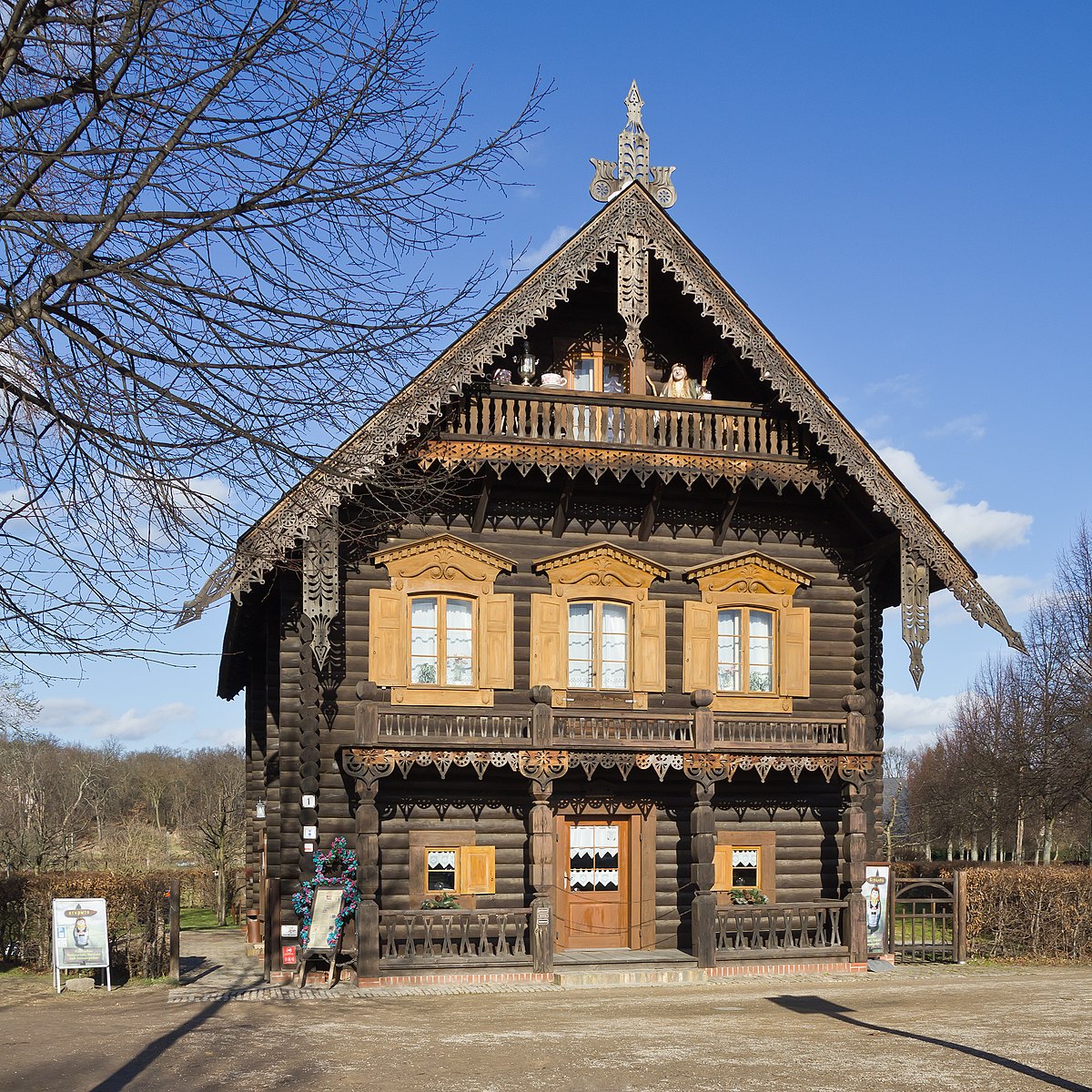
Alexandrowka
📍 Brandenburg, Germany
Located in the picturesque city of Potsdam, Germany, Alexandrowka is an intriguing architectural ensemble that reflects a unique blend of Russian and …

Alte Burg Penzlin
📍 Brandenburg, Germany
Alte Burg Penzlin, a captivating castle located in the quaint town of Penzlin, Germany, serves as a remarkable example of medieval architecture and …

Alte Dorfkirche Röxe
📍 Brandenburg, Germany
The Alte Dorfkirche Röxe stands as a poignant symbol of architectural and cultural history in the Stendal region of Germany. This church building, …
More Parks

Achterdiekpark
📍 Bremen, Germany
Achterdiekpark, located in the peaceful district of Oberneuland, Germany, is a sanctuary for nature lovers and a welcome retreat from urban life. This …

Aegidiischanze
📍 Lower Saxony, Germany
Aegidiischanze is a tranquil park located in the heart of Münster, Germany. This green space offers a unique blend of natural beauty and cultural …

Aerodynamic Park
📍 Berlin, Germany
Aerodynamic Park, located in Berlin, Germany, is a significant green space that serves as a serene escape amid the urban hustle. This park is not only …

Ahnepark
📍 Hesse, Germany
Ahnepark is a serene park located in Vellmar, Germany, serving as a green oasis for both locals and visitors. This expansive area offers a tranquil …
Altenberg
📍 Bavaria, Germany
Altenberg, located in the picturesque Bavarian region of Germany, offers visitors a serene escape into one of the area’s notable parks. This mountain …

Altensteiner Park
📍 Thuringia, Germany
Altensteiner Park, situated in the picturesque region of Bad Liebenwerda, Germany, serves as a tranquil retreat for nature enthusiasts and history …