
Sanssouci Palace
Overview
Sanssouci Palace is a remarkable structure located in Brandenburg, Germany, and serves as a significant example of 18th-century architecture and design. Renowned for its historical context and artistic merit, the palace was commissioned as a summer residence for Frederick the Great, King of Prussia. The name “Sanssouci,” which translates to “without worry” in French, reflects Frederick’s desire for a tranquil retreat away from the rigors of court life.
Set against the backdrop of beautifully landscaped gardens, the palace offers an exquisite blend of architecture and nature, making it a must-visit destination for those interested in history, art, and royal heritage. Visitors are drawn to its elegant design and the serene atmosphere of the surrounding park, which complements the palace’s grandeur. The site is significant not only for its architectural beauty but also for its role in representing the cultural aspirations of the Enlightenment period in Europe.
Travelers to Potsdam will find that Sanssouci Palace stands out as a symbol of the artistic and philosophical movements that shaped the continent. With its intricately designed interiors and meticulously maintained gardens, the palace promises an engaging experience that connects visitors with the past while inviting them to appreciate the artistry of the era.
History and Significance
Sanssouci Palace was conceived in the mid-18th century as a private retreat for Frederick the Great, who ruled Prussia from 1740 to 1786. The palace reflects Frederick’s interest in art, culture, and philosophy, embodying the ideals of the Enlightenment that were prevalent during his reign. The design of the palace, credited to architect Georg Wenzeslaus von Knobelsdorff, is a manifestation of Rococo style, characterized by its graceful forms and elaborate decorations.
Construction of the palace began in 1745, and it was completed in 1747. Frederick envisioned Sanssouci as a place for relaxation and intellectual pursuits, where he could host his guests and engage in discussions on philosophy, art, and music. The palace is home to a collection of fine art and antiquities, many of which were personally selected by Frederick himself.
The significance of Sanssouci extends beyond its architectural merit; it stands as a cultural landmark in European history. The palace and its gardens were designed not only for aesthetics but also to reflect the principles of harmony and order that were central to Enlightenment thought. The surrounding park, which includes beautifully arranged gardens, fountains, and sculptures, serves as a testament to Frederick’s vision of a harmonious relationship between architecture and nature.
As a UNESCO World Heritage Site, Sanssouci Palace continues to attract visitors from around the world, eager to experience its historical and cultural richness. It remains a vital part of Germany’s heritage and an enduring symbol of the artistic and intellectual achievements of the 18th century.
Architecture and Features
Sanssouci Palace is an exemplary representation of Rococo architecture, distinguished by its elegant lines and decorative details. The palace is relatively modest in size compared to other royal residences, emphasizing the idea of intimacy and personal retreat. The façade features a series of large windows framed by ornate pilasters, allowing natural light to fill the interior spaces while providing stunning views of the gardens.
The entrance to the palace is marked by a grand staircase leading up to the central terrace, which is adorned with statues and manicured hedges. This design invites visitors to ascend and experience the beauty of the outdoor environment, setting the tone for the luxurious yet serene atmosphere of the palace.
Inside, the rooms are richly decorated with frescoes, gilded moldings, and exquisite furnishings that reflect the opulence of the era. The Hall of Mirrors, one of the most famous rooms in the palace, is particularly noteworthy for its stunning reflections and intricate design. This room served as a space for entertaining guests and conducting important discussions.
The gardens surrounding Sanssouci are equally impressive, featuring a series of terraces that rise majestically from the palace. The landscape design incorporates classical elements, such as fountains, sculptures, and neatly trimmed hedges, creating a harmonious blend of architecture and nature. Visitors can wander through the gardens, discovering various plant species and ornamental features that enhance the overall experience.
Visiting Information
To get to Sanssouci Palace, visitors can take advantage of various transport options available in Potsdam. The palace is easily accessible via public transportation, including buses and trams, which connect it to the city’s main railway station. For those who prefer to drive, parking facilities are available nearby.
When planning a visit, it is advisable to check the official website for current information regarding opening hours and ticket prices, as these may vary throughout the year. The palace is a popular destination, so visitors should expect a moderate level of foot traffic, particularly during weekends and holidays.
Typically, visitors should allocate around two to three hours to explore the palace and its gardens. This allows ample time to appreciate the intricate interiors as well as to stroll through the beautifully landscaped grounds. Early morning or late afternoon visits may provide a quieter experience, as these times often see fewer crowds.
The best times to visit Sanssouci Palace are during the spring and summer months when the gardens are in full bloom. The vibrant colors and fragrant flowers create a picturesque setting that enhances the overall experience. Autumn can also be a lovely time to visit, as the changing foliage adds a different charm to the landscape.
Nearby Attractions
New Palace (Neues Palais): Located just a short distance from Sanssouci Palace, the New Palace is another architectural marvel of the era, showcasing grand Baroque design and an impressive collection of art and history.
Sanssouci Park: The expansive park surrounding Sanssouci Palace is a key attraction in its own right, featuring beautiful gardens, walking paths, and several other smaller palaces and structures that complement the main site.
Chinese House (Chinesisches Haus): This picturesque pavilion within Sanssouci Park is designed in a unique Chinoiserie style and serves as a delightful spot to enjoy refreshments while taking in the surrounding beauty.
Potsdam City Palace: Situated in the heart of Potsdam, this palace reflects a blend of architectural styles and serves as a cultural hub, housing the Brandenburg State Museum of Modern Art.
Filmpark Babelsberg: For those interested in cinema, Filmpark Babelsberg offers a behind-the-scenes look at film production, with interactive exhibits and live shows that entertain visitors of all ages.
Insider Tips
For photography enthusiasts, the best angles of Sanssouci Palace can be found from the terraces and gardens. Early morning or late afternoon light creates a softer atmosphere, perfect for capturing the intricate details of the architecture and the vibrant colors of the gardens.
To avoid larger crowds, consider visiting during weekdays or outside of peak tourist seasons. This allows for a more leisurely exploration of the palace and its grounds, enhancing the overall experience. Additionally, being mindful of guided tours can help you navigate the site efficiently, allowing for a more enriching visit.
Practical Information
When visiting Sanssouci Palace, it is advisable to wear comfortable shoes, as exploring the palace and its extensive gardens involves a fair amount of walking. Seasonal considerations may also be important; summer visitors should bring sun protection, while those visiting in cooler months may want to dress warmly.
Photography is generally allowed, but it’s wise to check for any specific restrictions within the palace interiors. Bringing a water bottle and light snacks can enhance your visit, as it allows for a convenient break while enjoying the surrounding beauty.
Frequently Asked Questions
How long should I spend visiting?
Visitors should plan to spend around two to three hours at Sanssouci Palace to fully appreciate both the interior and the gardens.
Is photography allowed?
Photography is generally permitted in the gardens, but restrictions may apply indoors. Check current guidelines upon arrival.
Are there guided tours?
Yes, guided tours are available and can provide deeper insights into the history and architecture of the palace.
What’s the best time to visit?
Spring and summer are ideal for experiencing the gardens in bloom, though early mornings and late afternoons can offer a quieter experience.
Is it wheelchair accessible?
While efforts have been made to provide accessibility, visitors should check specific pathways and facilities on the official website to ensure a comfortable visit.
Can I buy tickets online?
Ticket purchasing options may be available online. Check the official website for the most current information.
Are there restrooms and cafes?
Yes, facilities are available on-site, including restrooms and cafes for refreshments.
What should I wear?
Wearing comfortable shoes is recommended, as visitors will likely walk through the gardens and palace. Dress appropriately for the season to ensure comfort during your visit.
More in Brandenburg
Agnetenkloster
📍 Brandenburg, Germany
Agnetenkloster, a former monastery located in the heart of Magdeburg, Germany, invites visitors to explore its serene ambiance and historical …

Agroneum
📍 Brandenburg, Germany
Agroneum is a museum located in the serene landscape of Alt Schwerin, Germany. This establishment serves as a vibrant hub for those interested in the …

Alexander Nevsky Memorial Church
📍 Brandenburg, Germany
The Alexander Nevsky Memorial Church in Potsdam, Germany, offers visitors a unique glimpse into the city’s cultural and religious heritage. This …
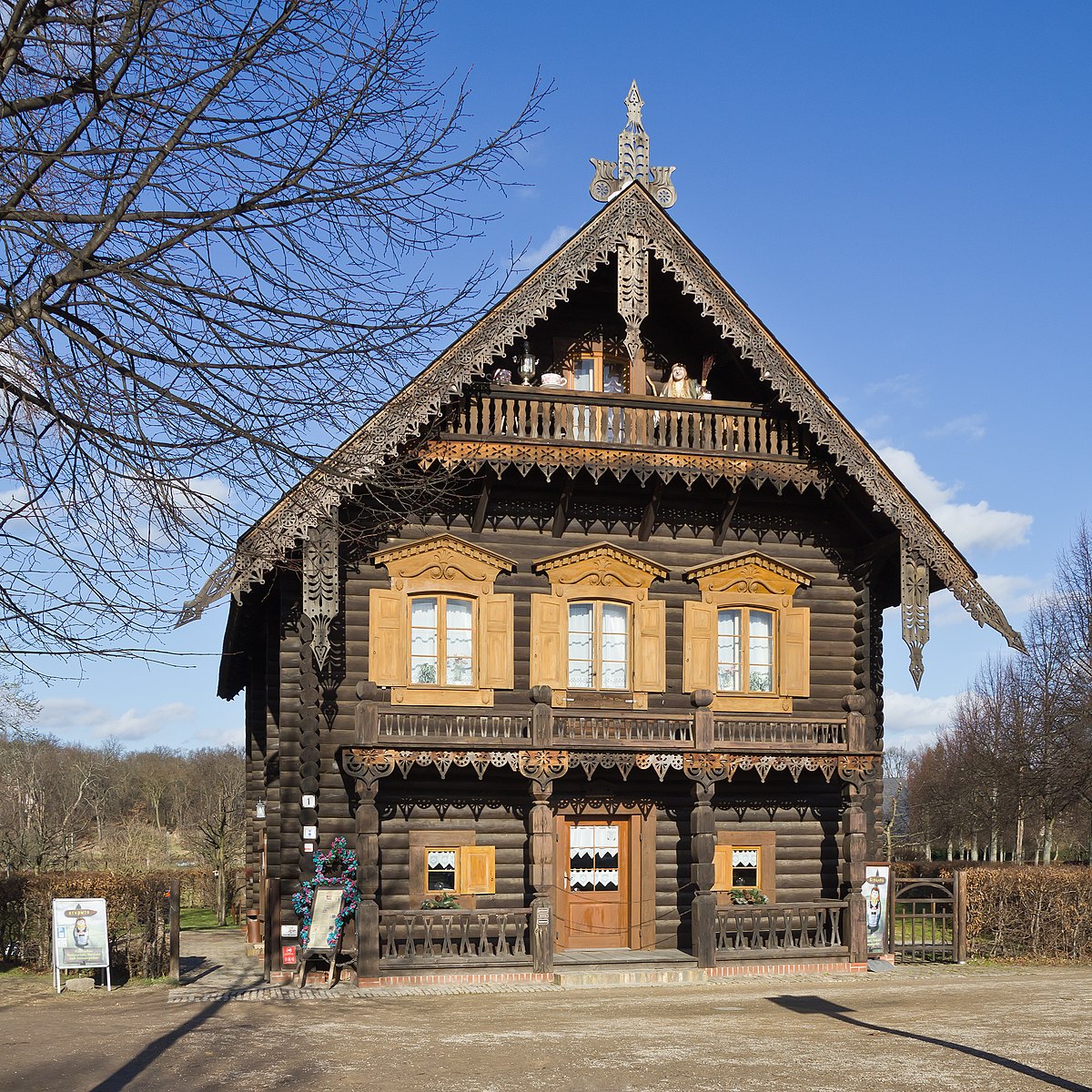
Alexandrowka
📍 Brandenburg, Germany
Located in the picturesque city of Potsdam, Germany, Alexandrowka is an intriguing architectural ensemble that reflects a unique blend of Russian and …

Alte Burg Penzlin
📍 Brandenburg, Germany
Alte Burg Penzlin, a captivating castle located in the quaint town of Penzlin, Germany, serves as a remarkable example of medieval architecture and …

Alte Dorfkirche Röxe
📍 Brandenburg, Germany
The Alte Dorfkirche Röxe stands as a poignant symbol of architectural and cultural history in the Stendal region of Germany. This church building, …
More Palaces

Adelspalast
📍 Bavaria, Germany
The Adelspalast, a stunning cultural heritage monument located in the heart of Bamberg, Bavaria, offers visitors an opportunity to explore a …

Aegidienstraße 22
📍 Lower Saxony, Germany
Aegidienstraße 22 is a distinguished palace located in Lübeck’s Old City, a UNESCO World Heritage site known for its well-preserved medieval …

Alexanderpalais (Darmstadt)
📍 Hesse, Germany
The Alexanderpalais in Darmstadt, Germany, is a noteworthy example of architectural elegance and historical significance. This palace, located in the …
Altenburgsches Palais
📍 Lower Saxony, Germany
Altenburgsches Palais, a significant yet non-preserved palace located in the heart of Hanover, Germany, invites visitors to explore its intriguing …

Altenstein Palace
📍 Thuringia, Germany
Altenstein Palace, a striking architectural gem, gracefully ascends a rocky hill on the southwestern slope of the Thuringian Forest in Germany. This …

Älterer Dalberger Hof
📍 Hesse, Germany
The Älterer Dalberger Hof, a distinguished palace located in the heart of Mainz, Germany, offers visitors an intriguing glimpse into the architectural …