
Samurai Museum Berlin
Overview
The Samurai Museum Berlin invites visitors into the storied world of the samurai, illuminating a significant aspect of Japanese culture within Germany’s capital. This art museum showcases a collection that represents the warrior class of feudal Japan, offering insights into their code of conduct, art, and craftsmanship. Situated in a vibrant area of Berlin, the museum presents an engaging opportunity to explore the intricate relationship between history and artistry, providing a space where enthusiasts and newcomers alike can appreciate the beauty and complexity of samurai culture.
With its curated exhibits, the Samurai Museum not only serves to educate but also to inspire. The artworks and artifacts reflect the values, traditions, and innovations that defined the samurai, contributing to a broader understanding of Japanese history. Visitors can expect a thoughtful presentation that balances historical significance with artistic expression, making it a must-visit for anyone interested in the cultural dimensions of Japan.
History and Significance
The cultural significance of the samurai extends beyond mere historical facts; it encapsulates a way of life characterized by discipline, honor, and artistry. The samurai were not only warriors but also patrons of the arts, playing a crucial role in shaping Japanese aesthetics. Their influence permeated various aspects of society, from literature to visual arts, contributing to a distinctive cultural heritage that continues to resonate today.
The Samurai Museum Berlin serves as an important venue for fostering appreciation of this heritage in Europe. As a reflection of the global interest in Japanese culture, the museum plays a vital role in cultural exchange, allowing visitors to explore the intricacies of samurai life and their impact on Japanese society. The museum’s exhibitions often include a variety of artifacts, such as armor, weapons, and traditional garments, which are essential to understanding the samurai’s dual roles as warriors and cultural icons.
The museum also aims to dispel myths and misconceptions surrounding the samurai, offering a more nuanced view of their legacy. By showcasing the artistry involved in samurai craftsmanship, it highlights the importance of aesthetic values in Japanese culture, reinforcing the idea that the samurai were not solely defined by their martial prowess.
Architecture and Features
The Samurai Museum Berlin is designed to complement its collection, creating a space that invites exploration and reflection. While specific architectural details are not provided, the museum’s layout is thoughtfully organized to facilitate engagement with the exhibits. Visitors will find that the interior is conducive to appreciating the delicate craftsmanship of the samurai artifacts on display.
Notable features of the museum include carefully curated exhibition spaces that allow for an immersive experience. The arrangement of artifacts encourages visitors to draw connections between the samurai’s martial and artistic endeavors. Display cases are strategically placed to ensure that each piece can be viewed in detail, allowing for an intimate appreciation of the artistry involved in the creation of samurai swords, armor, and other objects.
The museum also likely incorporates elements of Japanese aesthetics in its design, reflecting the beauty and simplicity characteristic of traditional Japanese environments. This thoughtful integration enhances the overall experience, providing a serene backdrop for the remarkable collection.
Visiting Information
To visit the Samurai Museum Berlin, it is advisable to plan your trip using public transportation, as Berlin has an extensive and efficient network of buses, trams, and trains. The museum is accessible and located in a vibrant area that encourages exploration of the surrounding neighborhood.
Before your visit, check the official website for current information regarding hours and ticket prices. The museum typically accommodates a range of visitors, from school groups to art enthusiasts, making it a versatile destination. Allocating approximately 1-2 hours for your visit will allow ample time to appreciate the exhibits without feeling rushed.
The best times to visit are generally during weekdays when the museum is less crowded, allowing for a more personal experience with the exhibits. Special events or exhibitions may also be planned, so checking the museum’s calendar could enhance your visit.
Nearby Attractions
While visiting the Samurai Museum, consider exploring the following nearby attractions:
Berlin’s Japanese Gardens - A serene space that reflects the beauty of Japanese landscaping and design, offering a peaceful retreat in the bustling city.
Museum für Asiatische Kunst (Museum of Asian Art) - This museum presents a broader perspective on Asian art and culture, complementing the focus of the Samurai Museum.
Tiergarten - One of Berlin’s largest urban parks, perfect for a leisurely stroll or a place to relax after a day of museum visits.
Potsdamer Platz - A hub of modern architecture and entertainment, featuring shops, cinemas, and restaurants, providing a contrast to the historical focus of the Samurai Museum.
Kulturforum - A complex of cultural institutions that includes the Berlin Philharmonic and the Neue Nationalgalerie, ideal for art and music lovers.
Insider Tips
To make the most of your visit to the Samurai Museum Berlin, consider the following insider tips:
Photography: Check the museum’s policy on photography, as some exhibitions may have restrictions. If allowed, be mindful of flash to preserve the integrity of the artifacts.
Crowd Avoidance: Aim for early morning visits or late afternoons on weekdays to avoid larger groups of tourists, ensuring a more intimate experience with the exhibits.
Practical Information
When preparing for your visit to the Samurai Museum Berlin, keep the following practical considerations in mind:
What to Bring: A small bag for personal items is advisable, but large backpacks may not be permitted. Also, consider bringing a water bottle, as staying hydrated is important.
Seasonal Considerations: Berlin experiences distinct seasons, so dress accordingly. Summer may require lighter clothing, while winter necessitates warm layers, especially if you plan to explore the surrounding area.
Frequently Asked Questions
How long should I spend visiting?
A typical visit lasts about 1-2 hours, allowing time to explore the exhibits thoroughly.
Is photography allowed?
Photography policies may vary. Check the museum’s regulations upon entry.
Are there guided tours?
The museum may offer guided tours to enhance your experience. Check the official website for availability and scheduling.
What’s the best time to visit?
Weekdays, especially in the morning or late afternoon, tend to be less crowded.
Is it wheelchair accessible?
Accessibility information can vary; check the official website for details on facilities and accommodations.
Can I buy tickets online?
Ticket purchasing options may be available online. Check the official website for current options.
Are there restrooms and cafes?
Facilities such as restrooms are typically available. For dining options, check the surrounding area for local cafes and restaurants.
What should I wear?
Comfortable clothing and shoes are recommended, especially if you plan to explore the nearby attractions afterward.
More in Berlin

144., 176. und 184. Gemeindeschule
📍 Berlin, Germany
The 144., 176. und 184. Gemeindeschule, an architectural ensemble located in the vibrant city of Berlin, stands as a noteworthy example of educational …

Academy of Arts (Hanseatenweg)
📍 Berlin, Germany
The Academy of Arts (Hanseatenweg) stands as an emblem of Berlin’s vibrant cultural landscape, located in the historic Hansaviertel district. Renowned …

Academy of Arts, Berlin
📍 Berlin, Germany
The Academy of Arts in Berlin is not just a museum; it is a prominent national institution dedicated to the advancement of the arts in Germany. …

Academy of the Konrad-Adenauer-Stiftung
📍 Berlin, Germany
The Academy of the Konrad-Adenauer-Stiftung, located in the heart of Berlin, is not just a foundation but a hub of intellectual discourse and …

ACUD
📍 Berlin, Germany
Located in the heart of Berlin’s Bezirk Mitte, ACUD serves as a vibrant cultural center and cinema, showcasing an array of films and events that …

Admiralspalast
📍 Berlin, Germany
Admiralspalast is a prominent theatre and event venue located in the heart of Berlin, Germany. This architectural gem serves as a cultural hub, …
More Art Museums

Aachen Cathedral Treasury
📍 North Rhine-Westphalia, Germany
Aachen Cathedral Treasury, located in the historic city of Aachen, Germany, is a remarkable art museum that houses an impressive collection of …

Abteiberg Museum
📍 North Rhine-Westphalia, Germany
In the heart of Mönchengladbach, Germany, the Abteiberg Museum stands out as a prominent destination for art enthusiasts and cultural explorers alike. …

Akademisches Kunstmuseum
📍 North Rhine-Westphalia, Germany
In the heart of Bonn, Germany, lies the Akademisches Kunstmuseum, an art museum that invites visitors to explore a diverse collection of artworks …

Albertinum
📍 Saxony, Germany
Albertinum is a prominent art museum located in the heart of Dresden, Germany, serving as a significant cultural institution in the region. …

Albrecht Dürer's House
📍 Bavaria, Germany
Albrecht Dürer’s House stands as a significant cultural landmark in Nuremberg, Germany, celebrating the life and work of one of the Renaissance’s most …
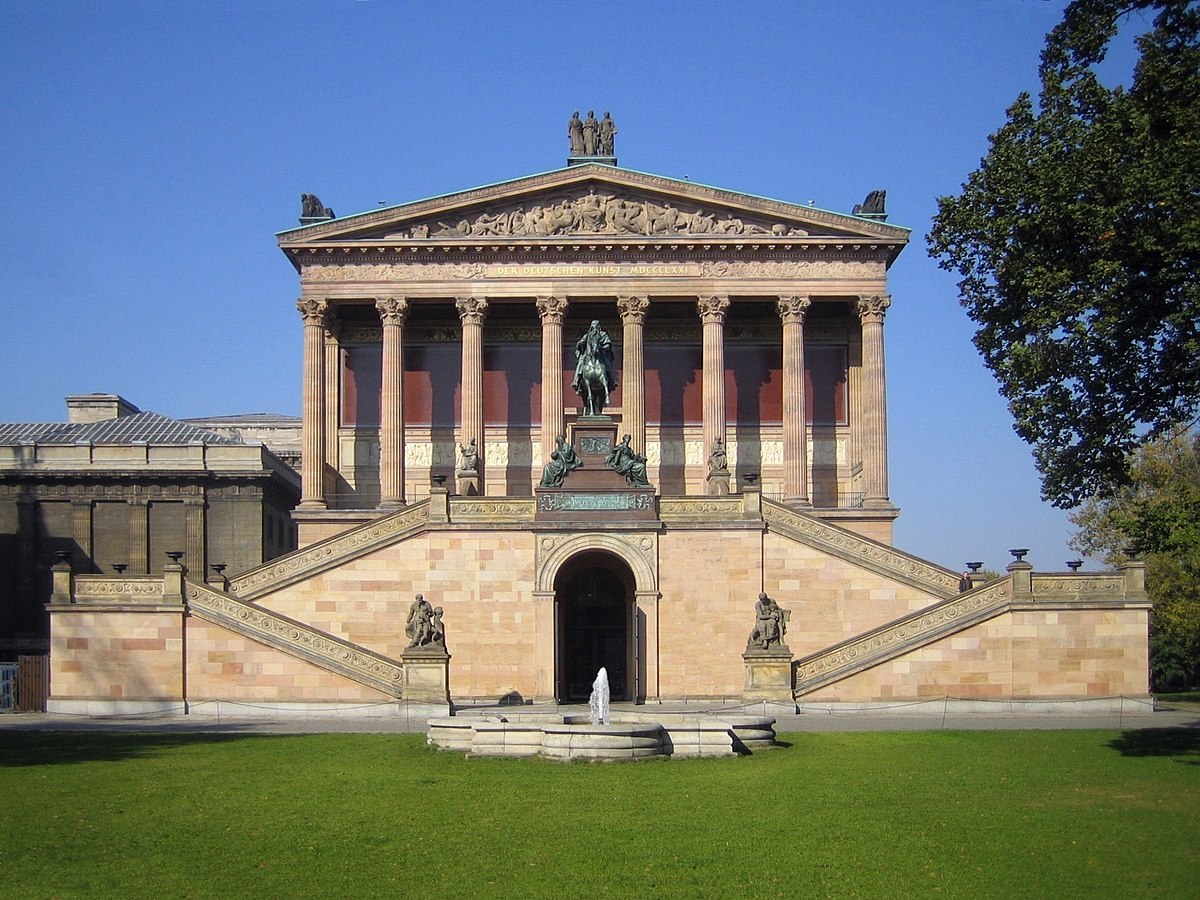
Alte Nationalgalerie
📍 Berlin, Germany
The Alte Nationalgalerie, an esteemed art museum located in Berlin’s Bezirk Mitte, is a cornerstone of cultural appreciation in Germany. This museum …