
Salzlandmuseum
Overview
The Salzlandmuseum, located in the town of Schönebeck, Germany, serves as a vital cultural and historical repository, shedding light on the region’s unique heritage and its association with salt mining. This museum is not just a collection of artifacts; it is a narrative of the local community’s evolution, interweaving stories of industry, culture, and everyday life. Situated in a town that has long been linked to the salt trade, the museum provides visitors with a unique opportunity to delve into the significance of this resource and its impact on the local economy and culture.
As you step into the Salzlandmuseum, you are greeted by an array of exhibits that highlight the area’s historical relationship with salt extraction. The museum not only preserves the tangible remnants of this industry but also educates on its broader implications for the region’s development. From ancient techniques to modern practices, the museum captures the essence of salt’s role in shaping this part of Germany.
With its engaging displays and informative exhibits, the Salzlandmuseum promises to be a fascinating stop for history enthusiasts, families, and anyone curious about the cultural narratives that define this region. Whether you are a local or a traveler, this museum invites you to explore the rich history of salt and its integral role in the life of Schönebeck.
History and Significance
The Salzlandmuseum stands as a pivotal institution in Schönebeck, a town historically linked to salt production. The significance of salt, often referred to as “white gold,” cannot be overstated in the context of this region. Salt mining has played a crucial role in the local economy and social structure, influencing everything from trade routes to culinary practices.
While specific dates and milestones in the museum’s history are not available, it is clear that the establishment of the Salzlandmuseum reflects a broader movement to preserve and celebrate regional heritage. The museum aims to document the various methods of salt extraction used throughout the centuries, illustrating the advancements in technology and the social changes that accompanied them.
Visitors will find exhibitions that showcase historical tools, photographs, and documents that reveal how salt mining has evolved. The museum also highlights the workers who spent their lives in the mines, giving a face and story to those who contributed to this significant industry. Through its displays, the museum fosters an understanding of how salt not only sustained livelihoods but also helped shape cultural identities in the region.
Additionally, the museum serves as an educational hub, offering programs and resources for schools and the community. By focusing on the importance of salt in local traditions, the Salzlandmuseum encourages a deeper appreciation for the historical narratives that have shaped Schönebeck.
Architecture and Features
The Salzlandmuseum is housed in a building that complements its mission by reflecting the local architectural style. Its design incorporates elements that resonate with the historical context of the region, though specific architectural details are not provided. The layout of the museum is thoughtfully organized to facilitate a comprehensive exploration of its exhibits.
Inside, the museum features various displays that are both informative and engaging. Visitors can expect to see a range of artifacts, including tools used in salt extraction, visual displays that depict the process of mining, and interactive exhibits that invite participation. The arrangement of these exhibits allows for a logical flow, guiding visitors through the evolution of salt mining practices.
One notable aspect of the museum is its focus on community engagement, often showcasing temporary exhibitions that feature local artists or themes related to Schönebeck’s heritage. This dynamic approach keeps the museum relevant and encourages repeat visits, as there is often something new to discover.
Visiting Information
When planning a visit to the Salzlandmuseum, it is advisable to check the official website for current information on hours of operation and ticket prices. The museum is accessible via public transport, and the local infrastructure supports easy navigation to the site. Visitors can anticipate a well-signposted route leading to the museum, enhancing the overall experience.
Allocate a few hours for your visit to fully appreciate the exhibits and engage with the informative displays. The museum is suitable for all ages, making it a great outing for families. For an optimal experience, consider visiting during weekdays when the crowds are generally lighter, allowing for a more intimate encounter with the exhibits.
As you explore, be sure to take advantage of any educational resources available, such as brochures or guided tours, which can enrich your understanding of the exhibits. Whether you are a history buff or simply curious about the area, the Salzlandmuseum offers a rewarding experience.
Nearby Attractions
While the Salzlandmuseum is a highlight in Schönebeck, several nearby attractions enhance your visit to the region:
Schönebeck Old Town: A charming area featuring historical architecture and quaint shops, perfect for a leisurely stroll.
Elbe River Promenade: Enjoy a scenic walk along the river, where you can appreciate the natural beauty of the area and perhaps catch a glimpse of local wildlife.
Kreuzkirche: A notable church in Schönebeck, known for its stunning architecture and serene atmosphere, offering a glimpse into the town’s religious heritage.
Gradierwerk: An impressive saltworks facility located nearby, where visitors can learn about traditional salt production methods and the health benefits of salt air.
Theater der Altmark: A local theater showcasing a range of performances, from plays to musicals, offering a taste of the cultural scene in the region.
Insider Tips
When visiting the Salzlandmuseum, consider bringing a camera to capture the engaging exhibits and unique artifacts. However, it’s wise to check the museum’s photography policy upon arrival to ensure you adhere to any restrictions.
To avoid crowds, aim for mid-morning or late afternoon visits, particularly during the week. This strategy can enhance your experience by allowing more time to engage with exhibits without the hustle and bustle of larger groups.
Practical Information
As you prepare for your visit to the Salzlandmuseum, consider bringing along a few essentials. Comfortable walking shoes are recommended, as you will likely spend a significant amount of time exploring the museum. Additionally, a light jacket may be useful, as indoor temperatures can vary.
Seasonal considerations include checking the weather forecast if you plan to explore the surrounding area after your museum visit. Being prepared for unexpected weather can enhance your overall experience.
Frequently Asked Questions
How long should I spend visiting?
Most visitors find that spending about two to three hours at the Salzlandmuseum allows ample time to explore the exhibits and engage with the information presented.
Is photography allowed?
Photography policies can vary, so it’s advisable to check the museum’s guidelines upon your arrival to ensure compliance with any restrictions.
Are there guided tours?
Guided tours are often available, providing deeper insights into the exhibits and the history of salt mining in the region. Check the official website for details on tour schedules.
What’s the best time to visit?
Weekdays, particularly mid-morning or late afternoon, tend to be less crowded, allowing for a more relaxed visit.
Is it wheelchair accessible?
The museum strives to be accessible to all visitors, but it’s best to check the official website or contact museum staff for detailed accessibility information.
Can I buy tickets online?
Ticket purchasing options may vary, so it’s advisable to check the official website for the latest information regarding online ticket sales.
Are there restrooms and cafes?
Facilities such as restrooms are typically available at the museum. For dining options, consider checking nearby cafes or restaurants for a meal before or after your visit.
What should I wear?
Dress comfortably and appropriately for the season, as you may be walking both inside the museum and outside in the surrounding area.
In conclusion, the Salzlandmuseum in Schönebeck offers an enriching experience that connects visitors to the historical significance of salt mining in the region. Through its comprehensive exhibits and community-focused initiatives, it serves as an important cultural landmark worthy of exploration.
More in Brandenburg
Agnetenkloster
📍 Brandenburg, Germany
Agnetenkloster, a former monastery located in the heart of Magdeburg, Germany, invites visitors to explore its serene ambiance and historical …

Agroneum
📍 Brandenburg, Germany
Agroneum is a museum located in the serene landscape of Alt Schwerin, Germany. This establishment serves as a vibrant hub for those interested in the …

Alexander Nevsky Memorial Church
📍 Brandenburg, Germany
The Alexander Nevsky Memorial Church in Potsdam, Germany, offers visitors a unique glimpse into the city’s cultural and religious heritage. This …
Alexandrowka
📍 Brandenburg, Germany
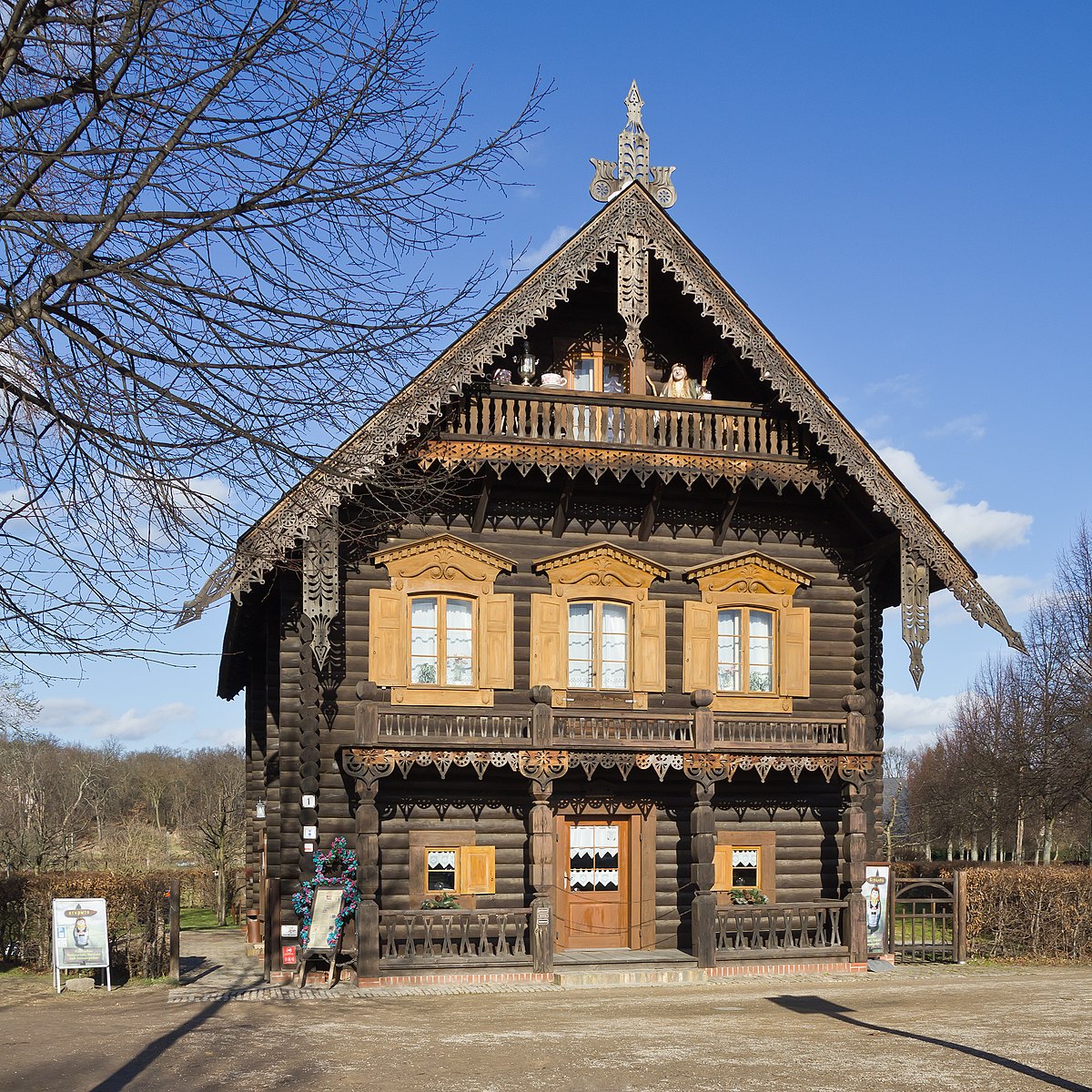
Located in the picturesque city of Potsdam, Germany, Alexandrowka is an intriguing architectural ensemble that reflects a unique blend of Russian and …

Alte Burg Penzlin
📍 Brandenburg, Germany
Alte Burg Penzlin, a captivating castle located in the quaint town of Penzlin, Germany, serves as a remarkable example of medieval architecture and …

Alte Dorfkirche Röxe
📍 Brandenburg, Germany
The Alte Dorfkirche Röxe stands as a poignant symbol of architectural and cultural history in the Stendal region of Germany. This church building, …
More Museums

Abbey and Altenmünster of Lorsch
📍 Baden-Württemberg, Germany
The Abbey and Altenmünster of Lorsch is a UNESCO World Heritage site located in the charming town of Lorsch, Germany. This significant cultural …
Abenteuermuseum
📍 Rhineland-Palatinate, Germany
The Abenteuermuseum, located in Germany, invites visitors to explore the wonders of adventure through its unique exhibits and engaging experiences. …

Abwasser- und Sielmuseum
📍 Hamburg, Germany
The Abwasser- und Sielmuseum, located in the heart of Hamburg-Mitte, offers a unique glimpse into the city’s historical infrastructure concerning …

Academy of Arts, Berlin
📍 Berlin, Germany
The Academy of Arts in Berlin is not just a museum; it is a prominent national institution dedicated to the advancement of the arts in Germany. …

Ackerbürgermuseum Haus Leck
📍 Hesse, Germany
Ackerbürgermuseum Haus Leck is a culturally significant museum located in Germany’s Grebenstein region, dedicated to preserving and showcasing the …

Active Museum Spiegelgasse
📍 Hesse, Germany
Active Museum Spiegelgasse is a vital institution dedicated to preserving and exploring the German-Jewish history of Wiesbaden, Germany. Located in …