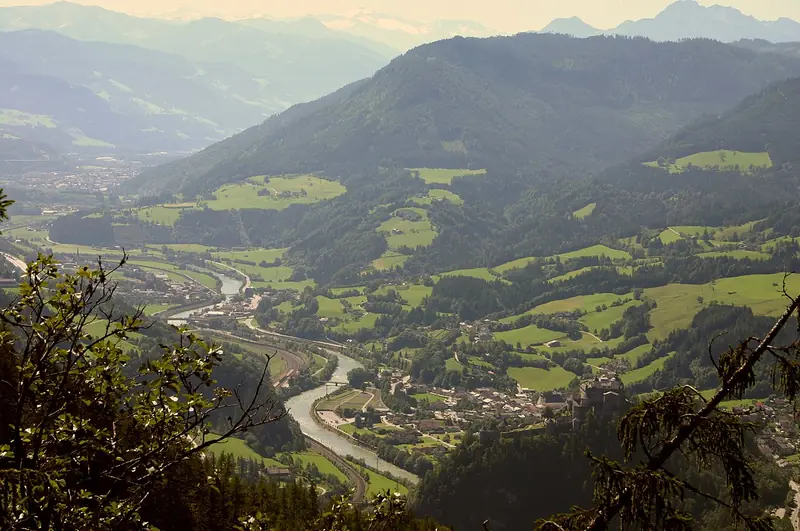
Overview
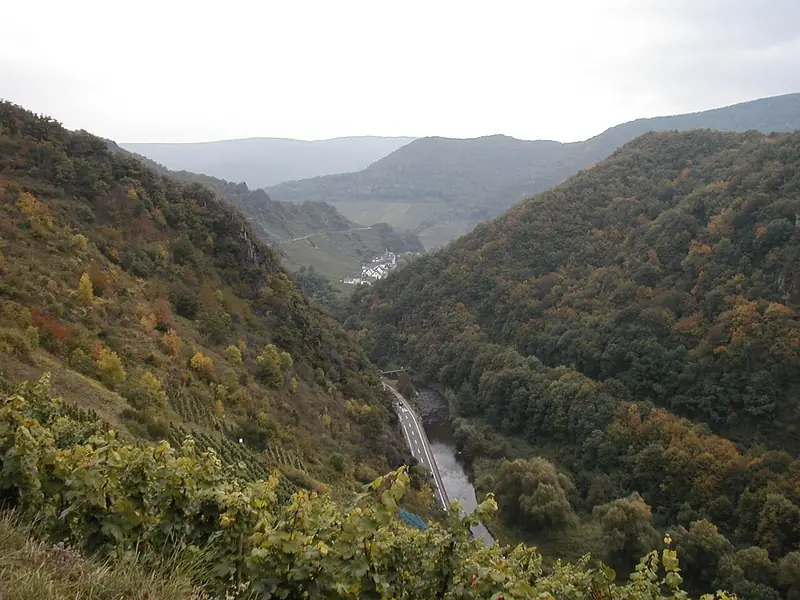
The Salzach River weaves its way through the heart of Europe, carving a path through both Austria and Germany. As one of the major rivers in this region, it plays a vital role in the ecological and cultural landscapes of the areas it traverses. Originating in the Alps, the river flows northward, encompassing a variety of stunning scenery, from picturesque towns to lush countryside. The Salzach is not just a body of water; it is a lifeline that has historically supported trade and transport, fostering connections between communities and cultures along its banks. Its banks are dotted with charming villages, historic sites, and vibrant cityscapes, making it a popular destination for travelers seeking both relaxation and adventure.
Visitors can expect a blend of natural beauty and cultural richness, with opportunities for activities ranging from leisurely walks along the river’s edge to more adventurous pursuits such as cycling and boating. The Salzach is not only significant for its geographical features but also for its impact on the history and development of the regions it flows through, making it an essential part of any travel itinerary in this part of Europe.
History and Significance
The Salzach River has played a pivotal role throughout history, serving as a key route for trade and transport between the regions of Austria and Germany. Its waters have witnessed the rise and fall of empires, the migration of peoples, and the exchange of goods and ideas. The river’s strategic importance can be traced back to ancient times when it facilitated commerce and communication across the landscape.
As the river flows through Salzburg, it has shaped the cultural and architectural development of the city. Salzburg, known for its baroque architecture and as the birthplace of Mozart, has embraced the river as an integral part of its identity. The Salzach has inspired countless artists and musicians, contributing to the vibrant cultural scene that defines the region. It has been celebrated in literature and art, often depicted as a serene backdrop to the historical narratives of the city.
The river is also significant from an ecological perspective. The diverse habitats along its banks support a variety of wildlife, making it an essential area for biodiversity. Conservation efforts are in place to protect the natural ecosystems surrounding the Salzach, ensuring that its beauty and ecological importance are preserved for future generations.
Architecture and Features
The Salzach River is characterized by its flowing waters, bordered by charming towns and lush landscapes. The river’s banks are often lined with historical buildings, bridges, and walkways that enhance the overall experience of visiting the area. One notable feature is the Makartsteg, a pedestrian bridge in Salzburg that provides stunning views of the river and the surrounding cityscape. This bridge is a favorite spot for both locals and tourists, offering a picturesque vantage point for photography.
Throughout its course, the Salzach showcases a variety of architectural styles, from the ornate baroque buildings of Salzburg to the more rustic structures found in smaller towns along its banks. The river is flanked by scenic promenades, where visitors can stroll or cycle while enjoying the natural surroundings. The lush greenery and vibrant flora along the river add to its charm, making it a delightful place to explore.
The river’s sound is a constant companion, with the gentle flow of water creating a soothing atmosphere that invites relaxation. The Salzach’s waters reflect the changing seasons, providing a dynamic backdrop that varies from serene summer days to dramatic winter scenes, where the landscape is transformed by snowfall.
Visiting Information
Visiting the Salzach River offers a variety of experiences for travelers. The best way to explore is often on foot or by bicycle, allowing for a more intimate connection with the landscape. There are numerous paths and trails that run alongside the river, making it accessible for leisurely walks, jogging, or cycling. Visitors can also enjoy boat tours that provide a unique perspective of the river and its surrounding attractions.
To make the most of your visit, it is advisable to check the official website for current information regarding any special events, local activities, and seasonal offerings. Depending on your interests, spending a few hours to a full day along the Salzach can provide ample opportunities for exploration and relaxation.
The river is most enjoyable in the warmer months, when outdoor activities abound, but each season brings its own unique charm. Spring and summer are ideal for hiking and cycling, while fall offers beautiful foliage along the riverbanks. Winter transforms the area into a serene landscape, perfect for quiet reflection.
Nearby Attractions
The Salzach River is surrounded by numerous attractions worth exploring. Here are some notable nearby sites:
Salzburg Old Town (Altstadt): A UNESCO World Heritage site, this area is filled with baroque architecture, historic churches, and the iconic Hohensalzburg Fortress that overlooks the city.
Mirabell Palace and Gardens: This stunning palace features beautifully landscaped gardens and provides a picturesque setting along the Salzach.
Hellbrunn Palace: Just a short distance from Salzburg, this palace is famous for its trick fountains and expansive gardens, offering a delightful day trip.
St. Peter’s Abbey: One of the oldest monasteries in the German-speaking world, this abbey is located in Salzburg and features beautiful architecture and serene gardens.
Getreidegasse: A bustling shopping street in Salzburg known for its narrow alleyways, charming shops, and traditional architecture, making it a great place to experience local culture.
Insider Tips
When visiting the Salzach River, photography enthusiasts should take advantage of the golden hours, either early in the morning or just before sunset, for the best lighting conditions. The reflections on the water can create stunning images, especially with the backdrop of historic buildings.
To avoid larger crowds, consider visiting during weekdays or exploring less popular sections of the river. Early morning strolls often provide a peaceful atmosphere, allowing for a more personal experience.
If you’re interested in local cuisine, look for cafes along the river that offer outdoor seating, providing a lovely view while you enjoy a meal or drink.
Practical Information
When planning your visit to the Salzach River, it is advisable to bring comfortable walking shoes for exploring the trails and paths along the riverbanks. Depending on the season, layering your clothing may be wise, as temperatures can vary throughout the day.
For those who enjoy outdoor activities, consider packing a picnic to enjoy along the river. There are plenty of scenic spots to relax and take in the natural beauty. Additionally, sunscreen and a reusable water bottle are practical items to have, especially during warmer months.
Seasonal considerations are essential; spring and summer are ideal for outdoor activities, while fall offers a stunning display of colors. Winter can be cold, so ensure to dress warmly if you plan to visit during this season.
Frequently Asked Questions
How long should I spend visiting?
A few hours to a full day is recommended to fully appreciate the river and its surroundings.
Is photography allowed?
Yes, photography is encouraged, especially in scenic areas along the river.
Are there guided tours?
Check local offerings for guided tours that may be available along the Salzach.
What’s the best time to visit?
Spring and summer are ideal for outdoor activities, while fall provides beautiful foliage.
Is it wheelchair accessible?
Many areas along the river are accessible, but it is advisable to check specific paths for accessibility.
Can I buy tickets online?
Check the official website for any ticketed events or tours.
Are there restrooms and cafes?
There are several cafes and facilities near key attractions along the river.
What should I wear?
Comfortable clothing and footwear are recommended for walking and outdoor activities. Dress in layers for varying weather conditions.