Overview
Tucked away in the heart of Germany lies the Sanctuary of Isis and Magna Mater, an archaeological site steeped in history and cultural significance. This ancient sanctuary served as a place of worship dedicated to the goddesses Isis and Magna Mater, reflecting the rich tapestry of religious practices in the Roman Empire. As you approach this site, the surrounding landscape invites you to step into a world where spirituality and community intertwined.
The Sanctuary of Isis and Magna Mater is an essential piece of the puzzle that reveals the spread of Roman influence across Europe. It stands as a reminder of the diverse religious practices that flourished in ancient times, offering insights into the lives and beliefs of those who once gathered here. Exploring this archaeological site, you’ll uncover remnants of rituals and ceremonies that paid homage to these powerful deities.
During your visit, expect to be captivated by the traces of history that echo through the ruins. The site offers a unique opportunity to ponder the significance of faith and its role in shaping societies over centuries. As you delve into the past, you’ll discover how this sanctuary mirrored the spiritual landscape of its time and the lasting impact it has had on religious thought.
History and Significance
The Sanctuary of Isis and Magna Mater represents a fusion of various cultural influences over centuries, showcasing the adoption of foreign deities within the Roman religious framework. The worship of Isis, an Egyptian goddess, and Magna Mater, a Phrygian mother goddess, reflects the eclectic nature of Roman spirituality. These goddesses were revered by different communities, and their presence in this sanctuary highlights the complex interactions between diverse cultures in the ancient world.
The site is historically significant for several reasons. It illustrates the syncretism of religious beliefs, where local traditions blended with those of the Roman Empire. This phenomenon was not unique to this sanctuary; it was emblematic of a larger trend across the empire as it expanded and integrated various peoples and customs. The site serves as a testament to the widespread veneration of these powerful figures, which transcended geographic boundaries.
Over the centuries, the sanctuary has likely undergone various transformations, adapting to the changing political and social landscapes of the time. The importance of such religious sites cannot be overstated, as they provided not only a place for worship but also a space for community gatherings and cultural exchange. The Sanctuary of Isis and Magna Mater stands as a reminder of the role that religion played in the daily lives of ancient peoples and its enduring influence on contemporary spiritual practices.
Architecture and Features
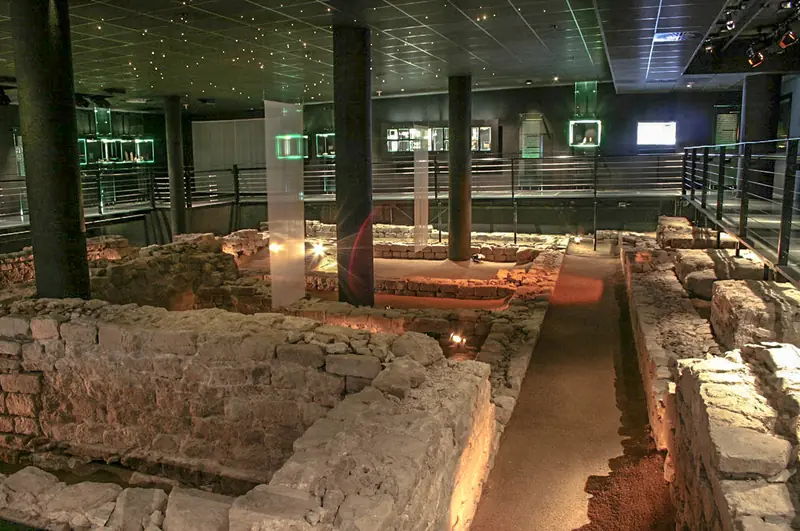
While specific architectural details may be limited, the Sanctuary of Isis and Magna Mater is characterized by its archaeological remnants that speak to its historical significance. The site likely includes foundations and structures that once housed altars and spaces for rituals. Visitors can expect to see the layout of the sanctuary, which would have been designed to accommodate worshippers and facilitate ceremonies.
The architectural style of the sanctuary aligns with typical Roman religious structures, likely featuring elements that enhance the spiritual atmosphere of the site. As you explore, look for the remnants of altars where offerings may have been made, as well as indications of the ceremonial spaces used for rituals dedicated to the goddesses.
Notable features may include inscriptions or carvings that reflect the devotion of worshippers and the cultural significance of the site. These details provide a glimpse into the artistic expressions of the time, illustrating how faith inspired creativity and craftsmanship. The visual elements of the site serve to connect visitors with the past, offering a tangible link to the spiritual practices that once flourished here.
Visiting Information
Reaching the Sanctuary of Isis and Magna Mater is achievable through various transportation options available in the region. Whether you choose to drive or utilize public transportation, the site is accessible for those eager to explore its rich history.
Hours: Check the official website for current opening hours. Prices: Visit the official website for current admission prices.
As you arrive at the sanctuary, prepare for an experience that immerses you in the historical context of the site. Expect to spend about 1-2 hours exploring the area, allowing ample time to appreciate the archaeological remnants and reflect on their significance.
For the best experience, consider visiting in the morning when crowds are typically smaller, or during the spring and fall when the weather is often more pleasant for outdoor exploration. Accessibility information may vary, so it’s advisable to contact the site directly for the latest information.
Nearby Attractions
While visiting the Sanctuary of Isis and Magna Mater, consider exploring these nearby attractions:
Other Archaeological Sites: The region is home to several archaeological sites that shed light on the complex history of ancient civilizations, offering additional insights into the cultural landscape of the time.
Museums: Local museums may feature exhibits related to the sanctuary and its historical context, providing further depth to your understanding of the site.
Natural Landscapes: The surrounding area may offer opportunities for scenic walks or hikes, allowing visitors to enjoy the beauty of the landscape that frames the sanctuary.
Cultural Landmarks: Explore other cultural landmarks in the vicinity that celebrate the rich heritage of the region, enhancing your experience of the local history.
Local Markets: Experience the local culture by visiting nearby markets, where you can find artisanal products and traditional foods that reflect the community’s heritage.
Insider Tips
When visiting the Sanctuary of Isis and Magna Mater, keep these insider tips in mind to enhance your experience:
Best Photography Spots: Capture the essence of the site early in the morning or late in the afternoon when the natural light creates dramatic shadows and highlights.
Look for Lesser-Known Details: Pay attention to the intricate carvings or inscriptions that may not be immediately obvious. These details provide context and deepen your understanding of the site’s significance.
Avoiding Crowds: To experience the sanctuary in relative solitude, consider visiting during weekdays or outside of peak tourist seasons.
Local Tips: Engage with on-site staff or local guides who can provide valuable insights and anecdotes about the sanctuary’s history and cultural relevance.
Practical Information
For your visit to the Sanctuary of Isis and Magna Mater, consider these practical details:
What to Bring: Bring comfortable walking shoes, a camera for capturing memories, and a bottle of water to stay hydrated during your exploration.
Seasonal Considerations: Depending on the time of year, be prepared for varying weather conditions. Dress in layers if visiting during transitional seasons, and consider sun protection during warmer months.
Visitor Amenities: Familiarize yourself with the facilities available at the site, including restrooms and any nearby cafes or shops where you can rest and refresh.
Frequently Asked Questions
How long should I spend visiting?
You should plan to spend about 1-2 hours exploring the Sanctuary of Isis and Magna Mater. This allows ample time to appreciate the archaeological remnants and reflect on their historical significance.
Is photography allowed inside?
Photography policies can vary. It’s best to check with the site directly for any specific guidelines regarding photography during your visit.
Are there guided tours available?
Guided tours may be offered, but availability can differ. To find out more, contact the site for the latest information on tour options.
What’s the best time of day to visit?
Visiting in the morning is ideal for avoiding larger crowds. Additionally, early hours often provide a more tranquil experience.
Is the site wheelchair accessible?
Accessibility information may vary. It’s advisable to contact the site directly for the latest information regarding wheelchair access.
Can I buy tickets online?
Ticket purchasing options can vary. For the most current information, visit the official website.
Are there facilities like restrooms and cafes?
Check with the site for details on visitor facilities such as restrooms and any nearby cafes or shops.
What should I wear when visiting?
Dress comfortably and consider wearing sturdy shoes, as you may encounter uneven terrain while exploring the archaeological site.



