
Sachsenhausen concentration camp memorial
Overview
Sachsenhausen concentration camp memorial stands as a poignant reminder of the atrocities committed during the Holocaust. Located in Oranienburg, Germany, this site has transformed from a former concentration camp to a museum dedicated to preserving the memory of those who suffered and perished within its walls. The memorial serves not only as a historical document but also as a place for reflection and education, ensuring that the lessons of the past are not forgotten.
The site is situated approximately 35 kilometers north of Berlin, making it accessible for those looking to explore the darker chapters of history amidst the vibrant backdrop of contemporary Germany. As visitors walk through the memorial, they encounter the stark realities faced by thousands during World War II, encouraging a deep engagement with the moral questions surrounding human rights and dignity. Sachsenhausen’s significance lies not only in its historical context but also in its ongoing commitment to education and remembrance.
Through its exhibitions, preserved structures, and informative tours, Sachsenhausen memorial invites visitors to confront the harsh realities of the past while fostering a commitment to justice and human rights today. This site prompts a crucial dialogue about the complexities of history and the importance of remembrance in shaping a better future.
History and Significance
Sachsenhausen was established in the early 1930s and operated for over a decade as a concentration camp. It was one of the first camps built after the Nazis came to power, initially intended to detain political prisoners. Over time, its purpose expanded to encompass a wide range of detainees, including Jews, homosexuals, Roma, and other groups deemed undesirable by the Nazi regime. The camp’s design and function reflected the regime’s systematic approach to oppression and extermination, making it a critical site for understanding the broader scope of the Holocaust.
The significance of Sachsenhausen extends beyond its physical structures. The camp served as a model for other concentration camps and was a place of experimentation in brutal methods of control and extermination. Visitors can learn about the various aspects of camp life, including forced labor, medical experiments, and the inhumane treatment of prisoners. The memorial’s exhibitions focus on the personal stories of those who suffered, providing a human face to the historical facts and fostering empathy and understanding.
In the decades following the war, the site became a place of remembrance, reflecting a growing recognition of the need to confront and learn from the past. The transformation into a memorial and museum has allowed Sachsenhausen to serve as an educational resource, ensuring that future generations understand the importance of tolerance, human rights, and the dangers of totalitarianism. Today, the site continues to engage with contemporary issues related to discrimination and persecution, making it a relevant and vital space for dialogue and reflection.
Architecture and Features
The physical layout of the Sachsenhausen concentration camp memorial is stark and thought-provoking. As visitors enter the site, they are greeted by the iconic gate bearing the infamous inscription “Arbeit Macht Frei,” a phrase that symbolizes the cruel deception faced by prisoners. The camp’s architecture features a series of barracks, guard towers, and watchtowers, many of which have been preserved or reconstructed to convey the camp’s grim history.
One of the most significant structures within the memorial is the former hospital, which holds exhibitions detailing the medical experiments conducted on inmates. The camp’s crematorium, a chilling reminder of the systematic extermination practices, also forms part of the memorial. Visitors can explore the remnants of the barracks, where many prisoners lived under dire conditions, offering a glimpse into the everyday realities of camp life.
The memorial grounds include several informative displays and memorials dedicated to the various groups that were targeted by the Nazi regime. These commemorative elements are interspersed throughout the site, encouraging visitors to engage with the historical narrative and reflect on the impact of these crimes against humanity. The solemn atmosphere of the memorial is complemented by the surrounding landscape, which has been transformed into a place for contemplation and remembrance.
Visiting Information
Visiting the Sachsenhausen concentration camp memorial provides a profound opportunity to engage with history. The site is conveniently located near Berlin, making it accessible for day trips. Public transport options, including regional trains and buses, connect Oranienburg to the capital, allowing for a straightforward journey to the memorial.
Check the official website for current information regarding opening hours and ticket prices, as these may vary throughout the year. It is advisable to allocate at least a half-day for your visit to fully absorb the exhibitions and the somber atmosphere of the memorial. Guided tours are available and can enhance the experience by providing deeper context and insight into the historical significance of the site.
The best times to visit Sachsenhausen are typically during the spring and autumn months when the weather is mild, and the site is less crowded. However, it is essential to plan your visit to avoid peak times, as the memorial can attract many visitors, particularly during weekends and holidays.
Expect to walk considerable distances throughout the memorial, so wear comfortable shoes. The site encourages reflection, so take your time moving from one exhibition to another, allowing for moments of contemplation.
Nearby Attractions
While Sachsenhausen concentration camp memorial is a significant destination, there are several other noteworthy attractions in the vicinity:
Oranienburg Palace: This baroque palace, located in the nearby town of Oranienburg, offers a glimpse into the region’s history and a chance to explore its beautiful gardens.
Sachsenhausen Memorial and Museum: Beyond the camp itself, the museum provides extensive exhibits and resources related to the history of the camp and its impact on the local community.
Berlin: Just a short train ride away, the capital city offers a wealth of historical sites, including the Brandenburg Gate, the Berlin Wall, and various museums dedicated to World War II history.
The Memorial to the Murdered Jews of Europe: Located in Berlin, this poignant memorial encourages visitors to remember the victims of the Holocaust through its unique design and layout.
Potsdam: A little further afield, Potsdam is known for its stunning palaces and gardens, including Sanssouci Park, which provides a contrasting experience to the somber history of Sachsenhausen.
Insider Tips
To make the most of your visit to Sachsenhausen, consider the following tips:
Photography: While photography is allowed in most areas, be mindful of the respectful atmosphere. Some exhibitions may have restrictions, so observe signs and guidelines.
Crowd Avoidance: To avoid the largest crowds, visit on weekdays or during off-peak seasons. Early morning is often quieter, allowing for a more reflective experience.
Guided Tours: If you desire a deeper understanding of the site, consider joining a guided tour. Knowledgeable guides can provide context and answer questions that may arise during your visit.
Practical Information
When planning your trip to Sachsenhausen concentration camp memorial, consider the following practical aspects:
What to Bring: Bring a water bottle, comfortable walking shoes, and a notebook if you wish to jot down thoughts or reflections. Also, consider bringing a light jacket, as the weather can change throughout the day.
Seasonal Considerations: The memorial is open year-round, but visiting in spring or fall offers milder temperatures and beautiful scenery. Winter visits may require warmer clothing, while summer can bring larger crowds.
Accessibility: Check the official website for information regarding accessibility options if you have mobility issues.
By preparing ahead of time and approaching your visit with an open mind, you can engage meaningfully with the history and significance of the Sachsenhausen concentration camp memorial.
Frequently Asked Questions
How long should I spend visiting?
Most visitors find that spending at least three to four hours allows sufficient time to explore the main exhibitions and reflect on the site’s significance.
Is photography allowed?
Photography is generally permitted, but be respectful of the site’s memorial nature and adhere to any posted restrictions.
Are there guided tours?
Yes, guided tours are available and can enhance your understanding of the site. Check the official website for details on tour times and booking.
What’s the best time to visit?
Weekdays and off-peak seasons, particularly spring and autumn, are ideal for avoiding crowds. Early mornings also offer a more peaceful experience.
Is it wheelchair accessible?
Check the official website for accessibility options and resources available for visitors with mobility challenges.
Can I buy tickets online?
Ticket purchasing options may vary. Check the official website for the most current information regarding online ticket availability.
Are there restrooms and cafes?
Facilities, including restrooms, are available on-site. There may also be options for refreshments; check the official website for specific details.
What should I wear?
Wear comfortable clothing and shoes suitable for walking. Given the outdoor aspects of the memorial, consider layers and appropriate attire for the weather.
A visit to Sachsenhausen concentration camp memorial is not just about witnessing history; it’s an invitation to reflect on the human capacity for both cruelty and resilience. As you walk through this solemn site, you contribute to the ongoing dialogue surrounding memory, justice, and humanity.
More in Brandenburg
Agnetenkloster
📍 Brandenburg, Germany
Agnetenkloster, a former monastery located in the heart of Magdeburg, Germany, invites visitors to explore its serene ambiance and historical …

Agroneum
📍 Brandenburg, Germany
Agroneum is a museum located in the serene landscape of Alt Schwerin, Germany. This establishment serves as a vibrant hub for those interested in the …

Alexander Nevsky Memorial Church
📍 Brandenburg, Germany
The Alexander Nevsky Memorial Church in Potsdam, Germany, offers visitors a unique glimpse into the city’s cultural and religious heritage. This …
Alexandrowka
📍 Brandenburg, Germany
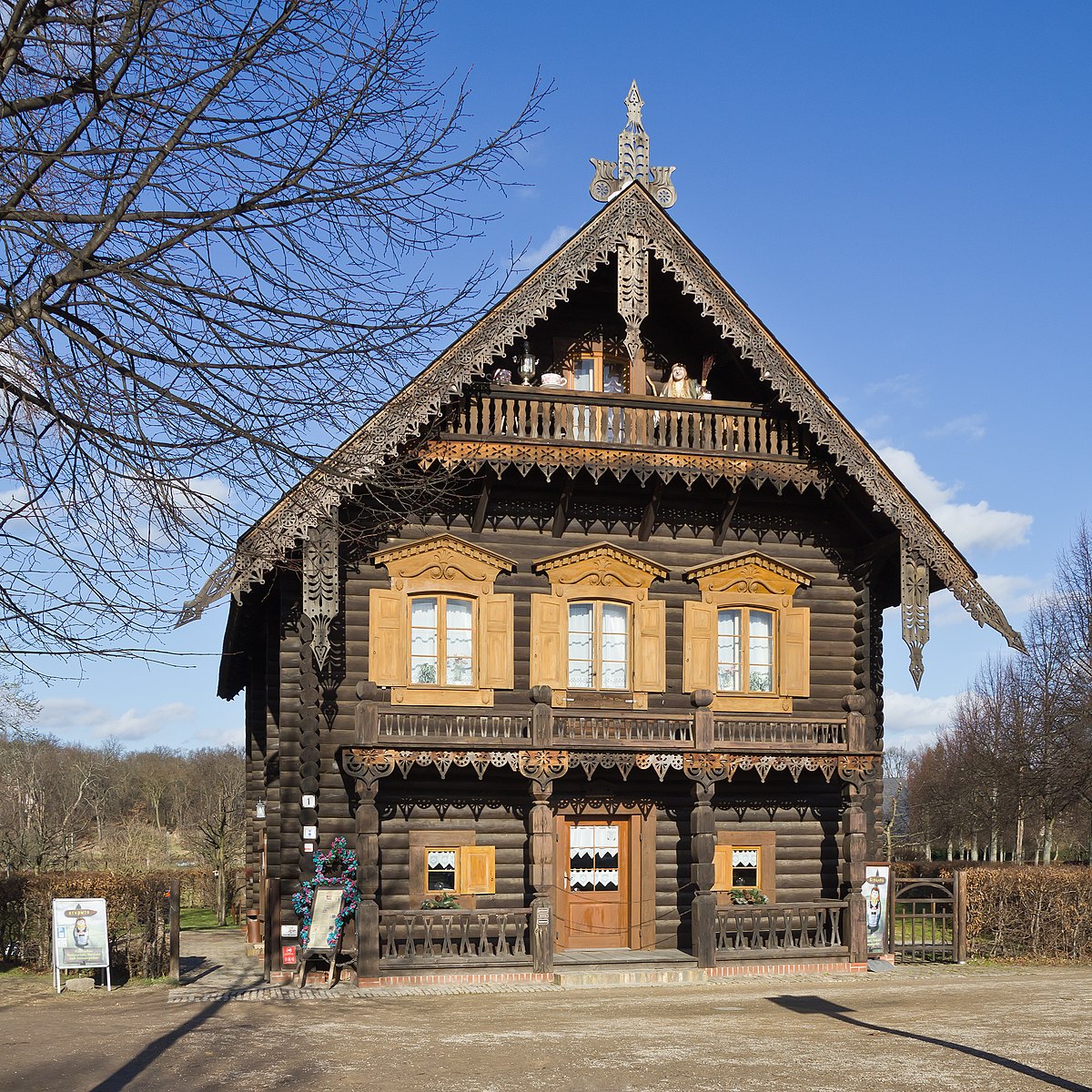
Located in the picturesque city of Potsdam, Germany, Alexandrowka is an intriguing architectural ensemble that reflects a unique blend of Russian and …

Alte Burg Penzlin
📍 Brandenburg, Germany
Alte Burg Penzlin, a captivating castle located in the quaint town of Penzlin, Germany, serves as a remarkable example of medieval architecture and …

Alte Dorfkirche Röxe
📍 Brandenburg, Germany
The Alte Dorfkirche Röxe stands as a poignant symbol of architectural and cultural history in the Stendal region of Germany. This church building, …
More Museums

Abbey and Altenmünster of Lorsch
📍 Baden-Württemberg, Germany
The Abbey and Altenmünster of Lorsch is a UNESCO World Heritage site located in the charming town of Lorsch, Germany. This significant cultural …
Abenteuermuseum
📍 Rhineland-Palatinate, Germany
The Abenteuermuseum, located in Germany, invites visitors to explore the wonders of adventure through its unique exhibits and engaging experiences. …

Abwasser- und Sielmuseum
📍 Hamburg, Germany
The Abwasser- und Sielmuseum, located in the heart of Hamburg-Mitte, offers a unique glimpse into the city’s historical infrastructure concerning …

Academy of Arts, Berlin
📍 Berlin, Germany
The Academy of Arts in Berlin is not just a museum; it is a prominent national institution dedicated to the advancement of the arts in Germany. …

Ackerbürgermuseum Haus Leck
📍 Hesse, Germany
Ackerbürgermuseum Haus Leck is a culturally significant museum located in Germany’s Grebenstein region, dedicated to preserving and showcasing the …

Active Museum Spiegelgasse
📍 Hesse, Germany
Active Museum Spiegelgasse is a vital institution dedicated to preserving and exploring the German-Jewish history of Wiesbaden, Germany. Located in …