
Sachsenhausen concentration camp
Overview
Sachsenhausen concentration camp, located in Oranienburg, Germany, is a somber memorial that serves as a stark reminder of the atrocities committed during the Holocaust. Established in 1936, this camp was one of the first concentration camps built by the Nazis and operated until 1945. It played a central role in the Nazi regime’s systematic persecution of individuals deemed undesirable, including political prisoners, Jews, and various ethnic groups. Today, the site stands as a memorial, inviting visitors to reflect on the human capacity for cruelty and the importance of remembrance.
The camp’s location, just north of Berlin, makes it accessible for those interested in exploring the darker chapters of history. Sachsenhausen’s significance extends beyond its role as a concentration camp; it serves as an essential location for education and awareness regarding the Holocaust and the broader implications of totalitarianism. Visitors who come here will find that the experience is not merely one of observation but rather a profound engagement with history, memory, and the resilience of the human spirit.
History and Significance
Sachsenhausen concentration camp was established in 1936 as part of the Nazis’ broader strategy to confine and eliminate those they considered threats to their ideology. Initially designed to hold political prisoners, the camp quickly evolved to include a wide range of individuals persecuted under the Nazi regime. Over the years, it became a site of forced labor, medical experimentation, and mass executions, illustrating the brutal methods employed by the Nazis to maintain control and instill fear.
The camp’s architecture was intentionally designed to serve the regime’s purposes. Its layout included watchtowers, electrified fences, and barracks constructed to house detainees under inhumane conditions. Notably, Sachsenhausen served as a prototype for other concentration camps, influencing the design and operation of facilities across Europe. The camp’s historical significance lies not only in the suffering endured by its prisoners but also in its role in the broader mechanisms of oppression during World War II.
Following the war, Sachsenhausen was liberated by Soviet troops in 1945 and subsequently transformed into a memorial site. It is now an important educational hub, drawing visitors from around the world who seek to understand the complexities of this dark period in history. The site stands not just as a reminder of the past but also as a call to ensure that the lessons learned are not forgotten.
Architecture and Features
The physical layout of Sachsenhausen concentration camp is stark and functional, designed to facilitate the systematic control and dehumanization of its inhabitants. Upon entering the memorial, visitors are greeted by the iconic gate emblazoned with the words “Arbeit Macht Frei,” a phrase that mockingly translates to “Work Sets You Free.” This entrance serves as a powerful symbol of the false promises made to the camp’s prisoners.
The barracks, where thousands of detainees lived under appalling conditions, remain a haunting reminder of the camp’s history. These structures were constructed to house prisoners in cramped quarters, with minimal resources provided for basic needs. The memorial also features an extensive exhibition area that contains photographs, documents, and artifacts related to the camp’s operation and the experiences of its inmates.
One notable aspect of the memorial is the preserved section of the camp, which includes the roll call square, watchtowers, and the crematorium. These elements together create a somber atmosphere that encourages reflection and understanding of the atrocities committed within these walls. The site is designed not only to educate but also to evoke a sense of empathy and remembrance for the victims.
Visiting Information
Visiting Sachsenhausen concentration camp is an opportunity to engage deeply with history. The memorial is located about 35 kilometers north of Berlin, making it accessible by public transport. Visitors can take a regional train from Berlin to Oranienburg, followed by a short walk to the camp entrance. Check the official website for current information on hours and prices, as these may vary seasonally.
When planning a visit, it is advisable to allocate at least two to three hours to fully explore the site and engage with the exhibits. Guided tours are available and can enhance the experience by providing context and insights into the history of the camp. The best times to visit are during the weekdays, as weekends may attract larger crowds.
Visitors should prepare for a reflective experience, as the atmosphere can be emotionally charged. It is essential to approach the site with respect and sensitivity, considering the history it represents.
Nearby Attractions
After visiting Sachsenhausen, consider exploring these nearby attractions that provide further insight into the region’s history:
Oranienburg Palace: This baroque palace is located in the town of Oranienburg and offers a glimpse into the area’s history before the rise of the Nazi regime.
Memorial and Museum Sachsenhausen: This site complements the main memorial with additional exhibits and educational resources that delve deeper into the camp’s function and the experiences of its prisoners.
Biosphäre Potsdam: Located a short drive away, this tropical greenhouse offers a different experience, showcasing exotic plants and ecosystems in a controlled environment.
Schwielowsee Lake: This picturesque lake nearby provides opportunities for relaxation and reflection in nature, contrasting with the somber history of Sachsenhausen.
Insider Tips
To make the most of your visit to Sachsenhausen concentration camp, consider the following tips:
Photography: While photography is allowed in most areas, be mindful of the solemnity of the site and avoid taking pictures in locations where it may feel disrespectful.
Crowd Avoidance: If possible, visit on a weekday early in the morning to experience the site with fewer visitors and a more contemplative atmosphere.
Practical Information
When preparing for your visit to Sachsenhausen concentration camp, consider the following practical advice:
What to Bring: Dress comfortably and wear sturdy shoes, as the site involves walking on various surfaces. Bringing water and snacks is advisable, but be aware that food consumption is often restricted in memorial areas.
Seasonal Considerations: The memorial is open year-round, but seasonal weather can affect your experience. In winter, dress warmly as outdoor areas can be quite cold.
Frequently Asked Questions
How long should I spend visiting?
Visitors typically spend two to three hours at Sachsenhausen to fully explore the exhibits and grounds.
Is photography allowed?
Yes, photography is generally permitted; however, be respectful of the site’s significance and refrain from taking photos in areas where it may seem inappropriate.
Are there guided tours?
Yes, guided tours are available and can provide valuable context to your visit. Check the official website for details on scheduling and availability.
What’s the best time to visit?
Weekdays are recommended for a quieter experience. Early mornings can also help you avoid larger crowds.
Is it wheelchair accessible?
Many areas of the memorial are accessible, but check the official website for specific details regarding accessibility features.
Can I buy tickets online?
Check the official website for current information regarding ticket purchases, as availability may vary.
Are there restrooms and cafes?
Restroom facilities are available on-site. Food options may be limited, so consider bringing snacks or checking the official website for nearby food options.
What should I wear?
Comfortable clothing and sturdy shoes are recommended, as you’ll be walking through the memorial. Dressing in layers is advisable, especially in cooler months.
More in Brandenburg
Agnetenkloster
📍 Brandenburg, Germany
Agnetenkloster, a former monastery located in the heart of Magdeburg, Germany, invites visitors to explore its serene ambiance and historical …

Agroneum
📍 Brandenburg, Germany
Agroneum is a museum located in the serene landscape of Alt Schwerin, Germany. This establishment serves as a vibrant hub for those interested in the …

Alexander Nevsky Memorial Church
📍 Brandenburg, Germany
The Alexander Nevsky Memorial Church in Potsdam, Germany, offers visitors a unique glimpse into the city’s cultural and religious heritage. This …
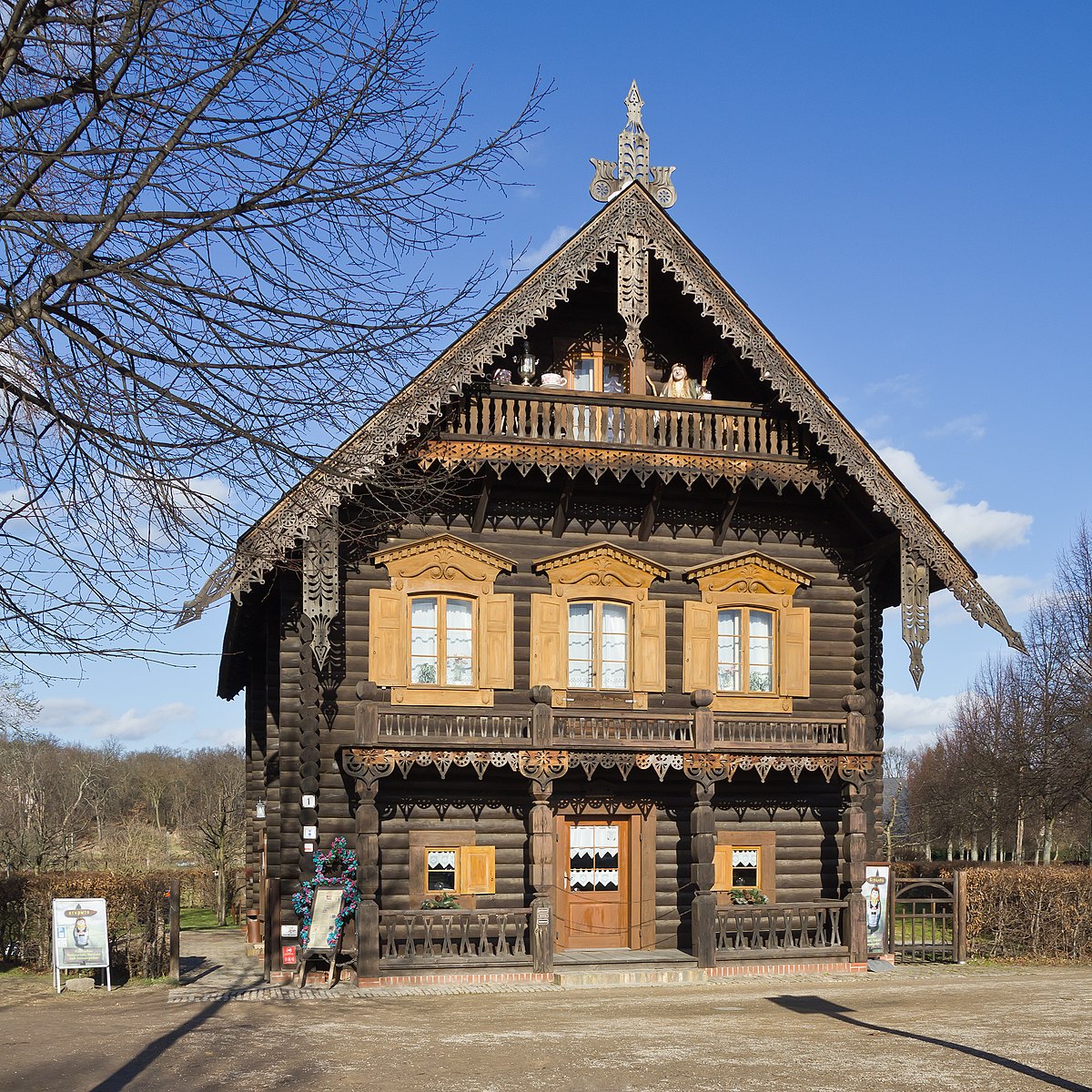
Alexandrowka
📍 Brandenburg, Germany
Located in the picturesque city of Potsdam, Germany, Alexandrowka is an intriguing architectural ensemble that reflects a unique blend of Russian and …

Alte Burg Penzlin
📍 Brandenburg, Germany
Alte Burg Penzlin, a captivating castle located in the quaint town of Penzlin, Germany, serves as a remarkable example of medieval architecture and …

Alte Dorfkirche Röxe
📍 Brandenburg, Germany
The Alte Dorfkirche Röxe stands as a poignant symbol of architectural and cultural history in the Stendal region of Germany. This church building, …
More Memorials

2 Straßenbau- Gedenksteine
📍 Schleswig-Holstein, Germany
In the picturesque region of Bösdorf, Germany, two memorial stones commemorate a pivotal moment in the history of infrastructure development. Known as …

Albrecht-Dürer-Denkmal
📍 Bavaria, Germany
In the heart of Nuremberg, Germany, the Albrecht-Dürer-Denkmal stands as a tribute to one of the most influential figures in Northern Renaissance art. …

Alexiuskreuz
📍 Lower Saxony, Germany
A visit to Alexiuskreuz in Mägdesprung, Harzgerode, invites exploration of a poignant memorial that honors significant historical events and figures. …

Alsdorfer Bergmannskreuz
📍 North Rhine-Westphalia, Germany
The Alsdorfer Bergmannskreuz memorial, located in Simmerath, Germany, serves as a poignant reminder of the region’s mining heritage and the cultural …
Alte Pathologie Wehnen
📍 Lower Saxony, Germany
In the tranquil landscape of Bad Zwischenahn, Germany, the Alte Pathologie Wehnen serves as a solemn memorial dedicated to the victims of the Nazi …

Arbeitserziehungslager Nordmark
📍 Schleswig-Holstein, Germany
Arbeitserziehungslager Nordmark, located on the outskirts of Kiel, Germany, serves as a solemn memorial to the atrocities committed during the Nazi …