Overview
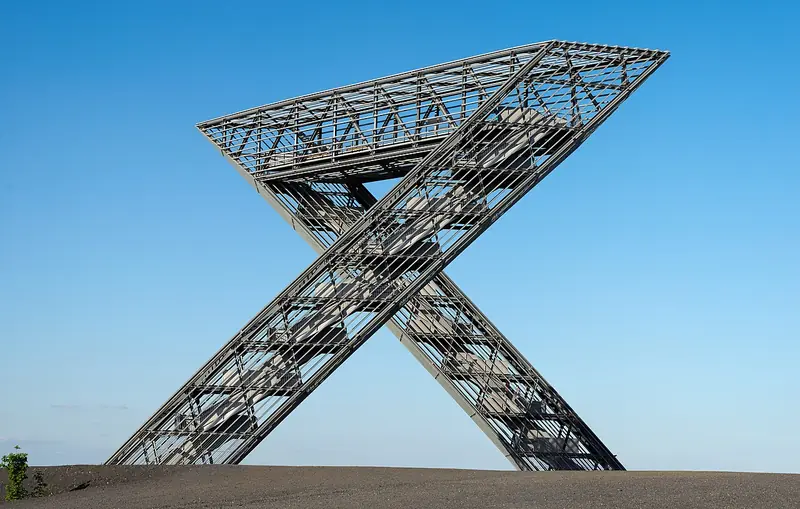
The Saar Polygon stands as a significant monument in Ensdorf, Saarland, Germany, commemorating the region’s industrial heritage and the profound impact of coal mining. This striking memorial not only honors the laborers who toiled in the mines but also represents the transformation of the Saarland area from a coal-dependent economy to one focusing on sustainability and ecological responsibility. Visitors to the Saar Polygon will find a blend of history and nature, as the site is surrounded by picturesque landscapes that invite exploration and reflection.
The monument’s unique design draws attention and serves as a symbol of resilience and renewal. Set against the backdrop of the Saarland region, it represents the collective memory of a community that has undergone significant change. The site encourages visitors to ponder the interplay between human industry and the environment, making it a poignant stop for those interested in heritage and cultural narratives.
History and Significance
The Saar Polygon’s significance extends beyond its physical structure; it encapsulates the history of coal mining in the Saarland region. The area was once a powerhouse for coal production in Germany, playing a crucial role in the country’s industrial development. This monument serves as a memorial to the workers who dedicated their lives to this labor-intensive industry, often under harsh and dangerous conditions.
As coal mining declined in the late 20th century, the region faced economic challenges and a need to reinvent itself. The Saar Polygon emerged as a symbol of this transformation, reflecting a shift towards sustainability and environmental consciousness. The monument invites visitors to reflect on the historical context of industrialization and its implications for the local community and environment.
The design of the Saar Polygon itself is a tribute to the mining heritage, with its distinctive shape reminiscent of the mining structures that once dotted the landscape. It stands as a reminder of the past while also signaling a new direction for the future. This duality makes the Saar Polygon not only a monument but a site for contemplation on the relationship between industry and nature.
Architecture and Features
The Saar Polygon is notable for its striking architectural design, which incorporates elements reminiscent of the mining industry. The structure is characterized by its unique polygonal shape, which creates an engaging visual dynamic against the surrounding landscape. This geometry is symbolic, reflecting the complexity of the region’s industrial past while also suggesting harmony with the natural environment.
Surrounding the monument, visitors will find landscaped areas that enhance the site’s aesthetic appeal. The integration of natural elements invites exploration and provides opportunities for reflection amidst the beauty of the Saarland region. The monument is designed to be both functional and symbolic, serving as a gathering point for visitors and a space for events and commemorations.
The Saar Polygon’s strategic location allows for a panoramic view of the surrounding area, further enhancing its significance as a memorial site. The combination of its architectural features and the natural landscape creates a compelling space for visitors to engage with the history and culture of the Saarland.
Visiting Information
Visiting the Saar Polygon is an enriching experience for those interested in the intersection of history, culture, and nature. The site is accessible by various means of transportation, making it convenient for travelers. Whether arriving by car or public transport, visitors can easily reach this notable monument.
It’s advisable to check the official website for current information regarding opening hours and any potential admission fees. Generally, visitors can expect a self-guided experience, allowing them to explore the site at their own pace. A visit typically lasts between one to two hours, providing ample time to appreciate the monument and its surroundings.
The best times to visit the Saar Polygon are during the spring and autumn months when the weather is pleasant, and the natural landscape is particularly inviting. Early mornings or late afternoons may offer a quieter experience, allowing for more personal reflection and exploration.
Nearby Attractions
While visiting the Saar Polygon, there are several nearby attractions worth exploring:
Saarland Museum: Located in Saarbrücken, this museum offers a comprehensive overview of the region’s art and cultural history, featuring both contemporary and historical exhibitions.
Völklingen Ironworks: A UNESCO World Heritage site, this former ironworks complex showcases the industrial heritage of the region and offers guided tours that delve into its history.
Biosphäre Bliesgau: This biosphere reserve promotes sustainable development and offers visitors a chance to explore diverse landscapes, including wetlands and forests.
Saarland Nature Park: A beautiful area for outdoor activities, this park features hiking and biking trails, as well as opportunities to observe local wildlife.
Castles of Saarland: The region is dotted with castles, each with its unique history and architecture, making for an engaging exploration of Saarland’s past.
Insider Tips
For those planning a visit to the Saar Polygon, consider the following tips to enhance your experience:
Photography Tips: Early morning or late afternoon light provides excellent conditions for photography at the monument. Capture the unique angles of its architecture against the changing light.
Crowd Avoidance: To enjoy a quieter visit, consider going on weekdays or during off-peak seasons. Early mornings are also typically less crowded, allowing for a more serene experience.
Practical Information
When planning your visit to the Saar Polygon, here are some practical considerations:
What to Bring: Comfortable walking shoes are recommended, as the site involves some walking through landscaped areas. Additionally, a camera or smartphone for capturing memories is advisable.
Seasonal Considerations: If visiting during colder months, dress in layers to ensure comfort while exploring the outdoor spaces. Conversely, during warmer months, sunscreen and water are essential for staying hydrated.
Frequently Asked Questions
How long should I spend visiting?
A visit typically lasts between one to two hours, allowing ample time to explore the monument and its surroundings.
Is photography allowed?
Yes, photography is permitted, and the site offers many opportunities for capturing memorable images.
Are there guided tours?
Currently, the site primarily offers a self-guided experience. However, check the official website for any updates regarding guided tours or special events.
What’s the best time to visit?
The best times to visit are during the spring and autumn months when the weather is pleasant and the landscape is particularly beautiful.
Is it wheelchair accessible?
Information regarding wheelchair accessibility is not specified; it’s recommended to check the official website for current details.
Can I buy tickets online?
Check the official website for information regarding ticketing options, as availability may vary.
Are there restrooms and cafes?
Details about amenities such as restrooms and cafes are not provided; it’s advisable to check the official website for the latest information.
What should I wear?
Dress comfortably and appropriately for the weather, considering layers during colder months and light clothing during warmer seasons.
The Saar Polygon offers a unique opportunity to engage with the heritage of the Saarland region, making it a must-visit for those interested in the intersection of history and nature.



