Overview
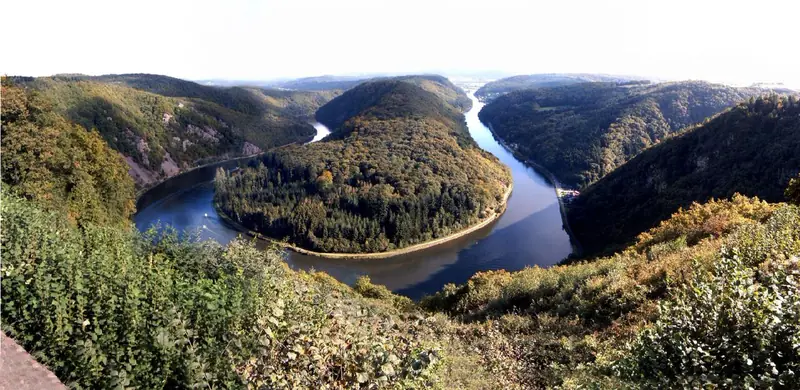
The Saar River, flowing through the heart of Germany and extending into France, is a significant waterway that merges the natural beauty of the landscape with a rich cultural history. Spanning approximately 246 kilometers, it serves as a vital artery for both the environment and local communities. Originating in the Vosges mountains, the river traverses lush valleys and picturesque towns, offering visitors a unique glimpse into the interplay between nature and human habitation. Its gentle curves and meandering path have inspired artists and poets over the centuries, making it a site of inspiration and reflection.
The Saar River plays a crucial role in the regional economy, providing a means for transportation and trade. Alongside its economic importance, the river is a hub for outdoor activities, engaging visitors with its natural splendor and recreational offerings. Whether you’re drawn to hiking along its banks, enjoying a leisurely boat ride, or exploring the quaint towns that dot the landscape, the Saar invites exploration and appreciation.
History and Significance
The Saar River holds significant historical importance, acting as a natural boundary throughout various periods of European history. Its banks have witnessed the rise and fall of empires, making it a silent observer of the region’s evolution. From the Roman era, when the river served as a critical trade route, to its role in the industrial age, the Saar has been central to the cultural and economic development of the area.
Historically, the Saar River region has been influenced by various cultures, including the Celts, Romans, and Franks. The river not only facilitated trade but also served as a conduit for cultural exchange, with numerous towns along its route showcasing distinct architectural styles and traditions. This blend of influences has resulted in a diverse cultural landscape that reflects the historical significance of the river.
The Saar also played a pivotal role during the 20th century, particularly during the tumultuous periods of the World Wars, which shaped the political landscape of Europe. Today, the river stands as a reminder of resilience and adaptation, drawing visitors who seek to understand not only its natural beauty but also its historical context.
Architecture and Features
The physical features of the Saar River contribute to its allure. The river is characterized by its winding course, flanked by verdant hills and forests that create a stunning backdrop for exploration. As it flows through various towns and cities, the Saar showcases a mix of architectural styles that reflect its historical significance.
Notable features along the river include charming bridges that connect communities, each with its unique design and history. The architecture in towns such as Saarbrücken and Völklingen features a blend of medieval and modern styles, indicative of the area’s evolution over centuries. Here, you can find remnants of ancient fortifications, churches, and local structures that narrate the story of the river and its surroundings.
The natural environment surrounding the Saar is equally captivating. The river’s banks are lined with walking and cycling paths, offering visitors the opportunity to immerse themselves in the landscape. Wildlife enthusiasts may also find the region rich in biodiversity, with various species of birds and plants thriving along the waterway.
Visiting Information
Visiting the Saar River is an enriching experience, with multiple options for exploring its beauty. Whether you choose to drive, bike, or use public transport, access to the river and its surrounding attractions is generally straightforward. The area is well-connected by roadways and rail, making it easy to reach from major German cities.
When planning your visit, it is advisable to check the official website for current information regarding any specific attractions or services available along the river. The region caters to a variety of interests, from leisurely walks along the banks to more active pursuits such as kayaking and cycling.
Depending on your interests, the time needed to explore the Saar can vary. A leisurely day spent enjoying the scenery, visiting towns, and engaging in outdoor activities can be fulfilling. The best times to visit typically align with the milder months of spring and autumn, when the weather is pleasant and the natural surroundings are in full bloom.
Nearby Attractions
While exploring the Saar River, consider visiting these nearby attractions to enhance your experience:
Saarbrücken: The capital of Saarland, this city offers a mix of cultural experiences, including museums, galleries, and shopping. Notable sites include the Saarland Museum and the Ludwigskirche.
Völklinger Hütte: A UNESCO World Heritage site, this former ironworks is a stunning example of industrial architecture and offers insights into the industrial history of the region.
Mettlach: Known for its pottery and ceramics, Mettlach is home to the Villeroy & Boch Museum, showcasing the history of this renowned company.
Dillingen: A quaint town with historical significance, Dillingen features charming streets and the impressive Dillingen Castle, which overlooks the river.
Saarschleife: This picturesque loop in the river is a popular viewpoint and walking area, offering stunning panoramas of the surrounding landscape.
Insider Tips
To make the most of your visit to the Saar River, here are some insider tips:
Photography: The river provides countless opportunities for photography, especially during the golden hours of sunrise and sunset. Be sure to capture the reflections on the water and the surrounding architecture.
Crowd Avoidance: To avoid peak tourist times, consider visiting during weekdays or early in the morning. This will allow for a more tranquil experience along the river.
Practical Information
When preparing for your visit to the Saar River, consider bringing the following essentials:
Comfortable Footwear: The best way to explore the riverbanks and nearby attractions is on foot, so wear shoes suited for walking.
Weather Preparations: Check the forecast before your visit, as conditions can change. In spring and autumn, layers are recommended to accommodate fluctuating temperatures.
Snacks and Water: While there are cafes and restaurants in nearby towns, carrying some snacks and water can enhance your experience, especially if you plan to spend the day outdoors.
Frequently Asked Questions
How long should I spend visiting?
The ideal duration for your visit can vary; however, a day allows ample time to explore the river and surrounding towns.
Is photography allowed?
Yes, photography is permitted in public areas along the river, but always respect private properties and local regulations.
Are there guided tours?
Check the official website for information on guided tours, as some local organizations may offer insights into the history and ecology of the area.
What’s the best time to visit?
The best times to visit the Saar are during the spring and autumn months, when the weather is pleasant and nature is vibrant.
Is it wheelchair accessible?
Many areas along the river are accessible, but it is advisable to check specific locations for accessibility features.
Can I buy tickets online?
For certain attractions and activities, online ticket purchasing may be available. Refer to the official website for details.
Are there restrooms and cafes?
Restroom facilities and cafes can be found in towns along the river. It’s advisable to plan your stops accordingly.
What should I wear?
Dress comfortably for outdoor activities, considering the weather. Layers are recommended to adapt to changing conditions.
The Saar River presents a charming blend of natural beauty and historical significance, making it a worthwhile destination for travelers interested in experiencing both the scenic and cultural aspects of the region.



