Overview
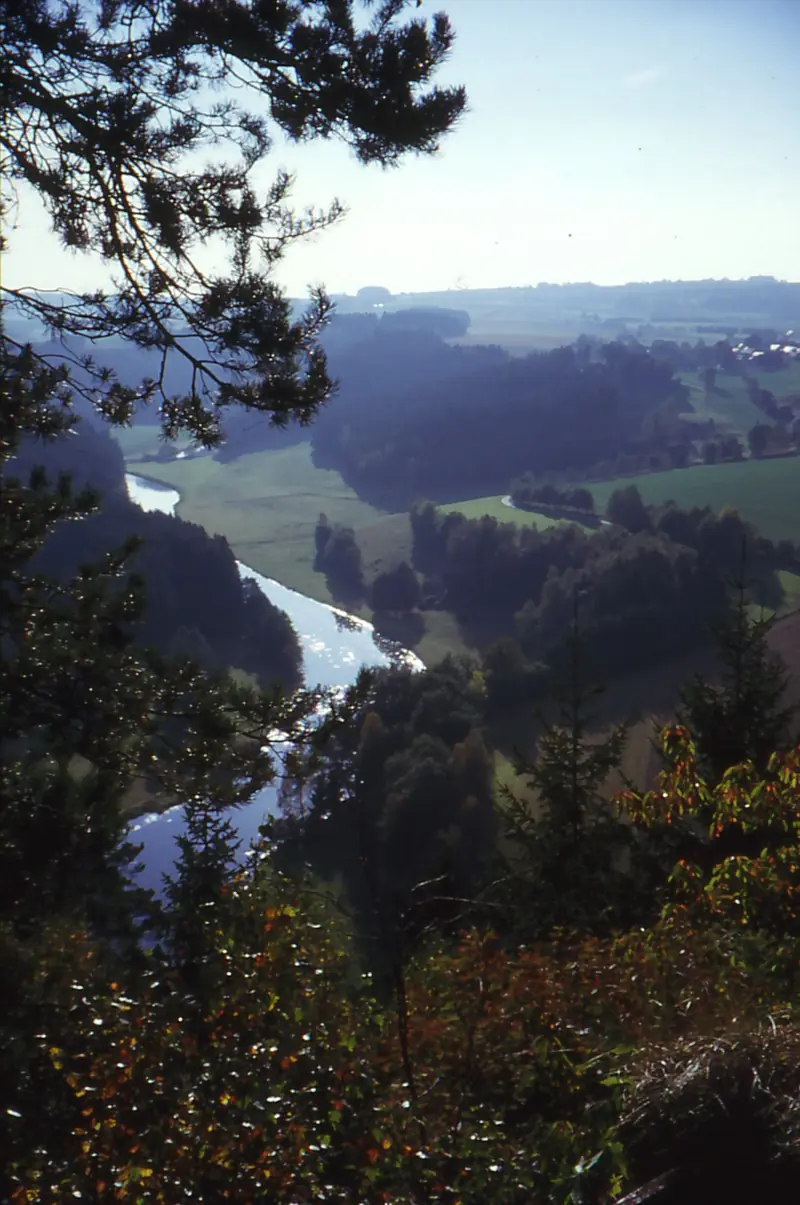
The Saale River, flowing through the heart of Germany, is a vital artery of culture and nature. Originating in the Fichtelgebirge mountain range, this major river weaves its way through picturesque landscapes, historical towns, and vibrant cities, ultimately joining the Elbe River. Spanning approximately 413 kilometers, the Saale offers visitors a diverse array of experiences, from scenic boat rides to tranquil riverside walks. Its significance extends beyond mere geography; the Saale has influenced local economies, shaped cultural identities, and served as a lifeline for communities throughout history. Whether you’re an avid nature lover, a history buff, or simply in search of a serene escape, the Saale River promises a captivating exploration of Germany’s natural heritage.
History and Significance
The Saale River has played a crucial role in the historical development of the regions it traverses. While specific historical milestones may be elusive, it is well-documented that the river has served as a vital transportation route since ancient times. It facilitated trade and communication between various settlements, fostering economic growth and cultural exchange. This connectivity has helped shape the identity of the towns that line its banks, making the Saale not just a physical landmark, but a cornerstone of regional heritage.
Throughout centuries, the river has witnessed significant events and transformations. The surrounding areas have seen the rise and fall of various civilizations, each leaving its mark on the landscape. The towns along the Saale, such as Jena and Weimar, are steeped in intellectual and artistic heritage, often associated with renowned figures from the realms of literature, philosophy, and science. As you explore the river, you’ll encounter remnants of these historical influences, from medieval architecture to modern cultural institutions.
In addition to its historical importance, the Saale also offers ecological value. The river supports a diverse range of flora and fauna, contributing to the local biodiversity. Conservation efforts have been made to protect the delicate ecosystems surrounding the river, ensuring that future generations can appreciate its natural beauty and significance.
Architecture and Features
The physical characteristics of the Saale River vary along its course, offering a unique blend of natural beauty and human ingenuity. The river is characterized by its winding path, which carves through lush valleys, rolling hills, and charming towns. Its banks are often lined with tree canopies, creating a tranquil environment that invites exploration.
As you travel along the Saale, you will encounter a variety of structures that highlight the relationship between the river and human activity. Historic bridges arch gracefully over the water, connecting communities and providing stunning perspectives of the flowing river. Some towns feature charming promenades and parks that enhance the riverside experience, making them ideal for leisurely strolls or picnics.
Architecturally, the towns along the Saale reflect a mix of styles, from Gothic and Renaissance to modern designs. In cities like Weimar, the influence of the Bauhaus movement can be seen in various buildings, adding a contemporary touch to the historical landscape. Each town exhibits its own character, with local landmarks often situated near the river, emphasizing the Saale’s central role in community life.
Visiting Information
Visiting the Saale River offers a range of activities that cater to diverse interests. Whether you prefer leisurely walks along the banks, cycling, or engaging in water sports, there is something for everyone. The river is accessible from various towns, with well-marked paths and trails that guide you along its scenic route.
To reach the Saale, travelers can take advantage of Germany’s efficient public transport system, which includes trains and buses that connect major cities to the towns located along the river. Parking facilities are typically available in most towns, making it easy for those who prefer to drive.
While specific visiting hours and entry fees may vary depending on the exact location and activities you choose, it is advisable to check the official website for current information before planning your visit. Expect to spend at least a few hours exploring a segment of the Saale, especially if you wish to engage in outdoor activities or visit local attractions.
The best times to visit the Saale are during the spring and early autumn months when the weather is mild, allowing for pleasant outdoor experiences. Summer can be busy, particularly in popular areas, so planning your trip accordingly can enhance your experience.
Nearby Attractions
Weimar: A UNESCO World Heritage site, Weimar is known for its rich cultural heritage, including museums, historic theaters, and the famous Bauhaus University, making it an essential stop along the Saale.
Jena: Located near the river, Jena is a vibrant university town with a range of attractions, including the JenTower and the Optical Museum, reflecting its history in science and innovation.
Naumburg: Renowned for its stunning cathedral, Naumburg is a charming town that showcases medieval architecture and art, making it a great complement to a visit to the Saale.
Halle: This city, situated at the confluence of the Saale and the river Fuhne, offers a blend of cultural institutions, parks, and historical sites that reflect its significance in the region.
Saale-Unstrut Region: Known for its vineyards and wine production, this area is perfect for those interested in wine tasting and exploring picturesque landscapes.
Insider Tips
For those keen on photography, the early morning or late afternoon light can create stunning reflections on the river’s surface. Consider visiting during weekdays to avoid larger crowds, especially at popular spots. Additionally, exploring less-traveled sections of the river can lead to unique perspectives and quieter experiences.
For a more immersive experience, plan to spend time in the smaller towns along the Saale, where local markets and cafes can enhance your visit. Engaging with residents can provide insights into the culture and history of the region.
Practical Information
When visiting the Saale River, there are several practical considerations to keep in mind. Comfortable walking shoes are essential, especially if you plan to explore the riverside paths and nearby attractions. Depending on the season, dressing in layers is advisable, as temperatures can fluctuate throughout the day.
Consider bringing a picnic to enjoy by the river, as many areas provide scenic spots for relaxation. If you plan on engaging in water activities, ensure you have appropriate gear or check local rental options.
Seasonal events along the Saale, such as festivals or outdoor markets, may enrich your visit, so staying informed through local resources can enhance your experience.
Frequently Asked Questions
How long should I spend visiting?
While a few hours can give you a glimpse of the Saale, allocating a full day allows for a more in-depth exploration of the area and nearby attractions.
Is photography allowed?
Yes, photography is generally allowed along the river and in the towns; however, be respectful of local customs and private properties.
Are there guided tours?
Guided tours may be available, particularly in larger towns. It is advisable to check local resources for specific options.
What’s the best time to visit?
Spring and early autumn are ideal for visiting the Saale, as the weather is typically mild and conducive to outdoor activities.
Is it wheelchair accessible?
Accessibility may vary by location; many towns offer paved paths, but some areas may have limitations. Checking specific sites in advance is recommended.
Can I buy tickets online?
For activities and attractions along the Saale, check the official website for details regarding online ticket availability.
Are there restrooms and cafes?
Most towns along the Saale have public restrooms and cafes; however, facilities can vary, so plan accordingly.
What should I wear?
Wear comfortable clothing suitable for outdoor activities, and consider the weather conditions when planning your outfit.



