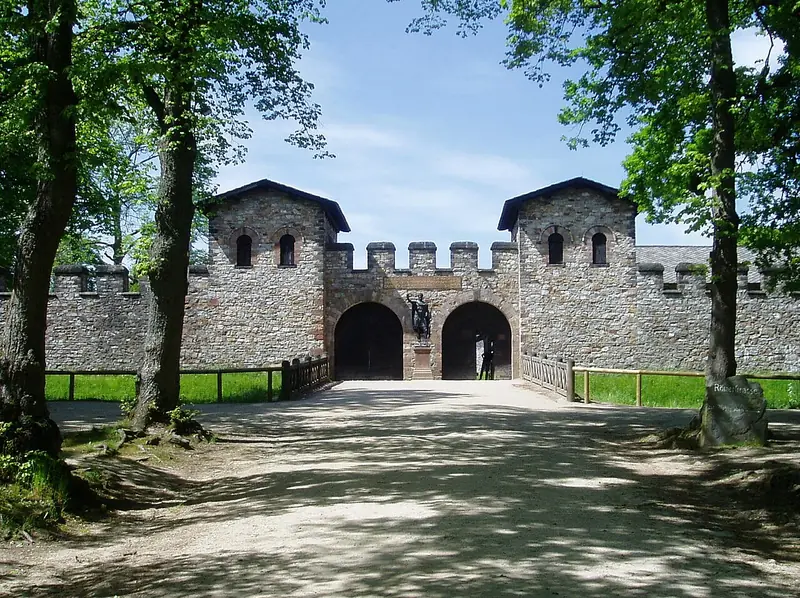
Overview
Imagine standing within the walls of a Roman fort that has been meticulously reconstructed to showcase the military prowess of ancient Rome. The Saalburg Roman Fort, located in Germany, offers a vivid glimpse into the past, representing one of the most significant archaeological sites along the Limes Germanicus. This fort, a cohort castrum, is the most completely reconstructed Roman fort in the country, allowing visitors to experience the daily life of Roman soldiers.
Situated within a landscape that hints at its historical importance, the fort provides a backdrop that speaks to the Roman Empire’s extensive reach. As you explore, you’ll discover not just the architecture and layout of the fort, but also its role as a strategic military outpost that facilitated the defense of the Roman frontier. The Saalburg Roman Fort matters because it serves as a tangible connection to the Roman era, shedding light on military, social, and cultural aspects of life at the edge of the empire.
Your visit promises to immerse you in a world of ancient history, where you can walk along reconstructed walls, peer into barracks, and perhaps even visualize the daily routines of the legionaries who once occupied this important site.
History and Significance
Over the centuries, the Saalburg Roman Fort has stood as a significant marker of the Roman Empire’s presence in what is now Germany. As part of the Limes Germanicus, a series of fortifications that defined the boundaries of the empire, Saalburg played a crucial role in the military strategy of Rome. This fortification was strategically located to monitor and control movement along the frontier, serving as a base for troops tasked with defending against potential invasions.
The fort’s existence reflects the broader historical narrative of the Roman Empire’s expansion and eventual decline, offering insights into how these military outposts functioned as both defensive structures and administrative centers. The site has undergone various transformations over time, from its initial construction to its reconstruction in modern times, emphasizing its enduring significance in both historical and archaeological research.
Visitors to Saalburg can appreciate its cultural importance not only as a military stronghold but also as a center for trade and interaction between Roman troops and local populations. This interaction facilitated the spread of Roman culture, traditions, and technologies, leaving a lasting impact on the region’s historical development.
Architecture and Features
The architecture of the Saalburg Roman Fort showcases the military engineering skills of the Romans, characterized by its robust walls and strategic layout. The fort features a rectangular plan, with towers and gates that would have served as both defensive mechanisms and points of entry. As you walk through the site, you can observe the reconstructed barracks, which housed soldiers, and other essential structures that provided for the needs of the military personnel.
One of the most notable features of the fort is its impressive walls, which stand as a reminder of the fortification techniques employed by the Romans. The layout of the fort is designed for both functionality and defense, allowing for efficient movement of troops and resources. This thoughtful design reflects the military discipline and organization that were hallmarks of Roman engineering.
As you explore, pay attention to the reconstructed buildings that give insight into the daily lives of the soldiers stationed here. The fort’s museum offers artifacts and displays that further illustrate the life and times of the Roman military, enhancing your understanding of this remarkable period.
Visiting Information
To reach the Saalburg Roman Fort, consider using general transport options available in the region. Whether traveling by car or public transport, the site is accessible to those eager to explore its historical depths.
Hours: Check the official website for current opening hours. Prices: Visit the official website for current admission prices.
Upon arrival, you can expect a well-maintained site that invites exploration. The visitor experience includes guided tours and informative displays, allowing you to fully immerse yourself in the history of the fort. A visit typically takes about 1 to 2 hours, providing ample time to walk through the fortifications and learn about the daily life of Roman soldiers.
For the best experience, consider visiting in the morning when crowds are lighter, and during the spring or fall for more temperate weather. Accessibility options are available, ensuring that all visitors can enjoy the site comfortably.
Nearby Attractions
While visiting the Saalburg Roman Fort, consider exploring other nearby attractions that enhance your understanding of the region’s historical significance.
Limes Germanicus: This UNESCO World Heritage site encompasses the extensive Roman frontier that once defined the empire’s borders. Various segments of the Limes are accessible and provide context to the fort’s strategic importance.
Roman Museum in Frankfurt: Located not far from Saalburg, this museum showcases a wealth of artifacts from the Roman period, providing further insights into daily life in the empire.
Taunus Nature Park: For those looking to enjoy the surrounding landscape, this park offers hiking trails and scenic views, allowing visitors to appreciate the natural beauty of the region that once served as a backdrop for Roman military activities.
Kronberg Castle: A medieval castle that offers a different historical perspective, Kronberg is a short distance from Saalburg and features beautiful architecture and gardens to explore.
Insider Tips
To make the most of your visit to the Saalburg Roman Fort, consider these insider tips:
Photography Spots: The exterior walls and the entrance gate provide excellent photography opportunities, especially in the morning light. Capture the fort’s details from different angles for a variety of shots.
Lesser-Known Details: Look out for the smaller artifacts displayed within the museum, which can offer unique insights into daily life in the fort.
Avoiding Crowds: Try to visit on weekdays or during off-peak hours, such as early mornings or late afternoons.
Local Tips: Bring along a light snack and water, as well as comfortable walking shoes, to enhance your exploration of the site.
Practical Information
When planning your visit to Saalburg Roman Fort, here are some practical details to consider:
What to Bring: Comfortable footwear is essential for exploring the fort’s pathways. A camera is also recommended for capturing the site’s architecture and artifacts.
Seasonal Considerations: Be mindful of the weather; spring and fall are ideal times for visiting due to milder temperatures. Summer may bring larger crowds, while winter could limit some outdoor activities.
Visitor Facilities: Check for available amenities such as restrooms and cafes on the official site, as these can enhance your experience.
Frequently Asked Questions
How long should I spend visiting?
You should plan to spend about 1 to 2 hours at Saalburg Roman Fort to fully explore the site and appreciate its historical significance.
Is photography allowed inside?
Photography is generally allowed, but always check for any specific restrictions in certain areas or exhibits.
Are there guided tours available?
Yes, guided tours are often available, providing in-depth insights into the fort’s history and architecture.
What’s the best time of day to visit?
The best time to visit is in the morning when crowds are typically smaller, allowing for a more peaceful experience.
Is the site wheelchair accessible?
The site offers accessibility options, making it easier for all visitors to enjoy the fort.
Can I buy tickets online?
Check the official website for information on online ticket purchasing options.
Are there facilities like restrooms and cafes?
Visitor facilities such as restrooms are typically available. For cafes, refer to the official site for the latest information.
What should I wear when visiting?
Wear comfortable clothing and sturdy shoes suitable for walking, as you will be exploring outdoor areas.



