
Ruinenberg
Overview
Ruinenberg, an architectural ensemble located in the picturesque region of Potsdam, Germany, offers visitors an intriguing glimpse into the historical and cultural layers of the area. Situated on a hill between Potsdam-Bornstedt and Potsdamer Jägervorstadt, this site captures the attention of those interested in architecture and history alike. Its unique position provides not only a vantage point over the surrounding landscapes but also an insight into the artistic movements that shaped German architecture.
As one of the many historical sites in Potsdam, Ruinenberg reflects the city’s significance as a center for art and culture, particularly during the time of Frederick the Great, who played a pivotal role in the city’s development. This site serves as a reminder of the grandeur that once characterized the region. Visitors can expect to immerse themselves in an environment that encapsulates both natural beauty and man-made artistry, making it a worthwhile destination for heritage travelers.
History and Significance
The Ruinenberg forms an integral part of the cultural landscape of Potsdam, a city renowned for its palaces and gardens, many of which are recognized as UNESCO World Heritage Sites. The architectural ensemble is a product of the 18th century, a period marked by significant developments in landscape architecture and neoclassical design. The hill itself served as an artificial ruin, created to enhance the scenic beauty of the surrounding gardens and parks.
While specific dates and events in the history of Ruinenberg are not detailed, it is known that the site was part of Frederick the Great’s vision to create a harmonious blend of nature and architecture. This vision was exemplified by the inclusion of Ruinenberg in the broader context of the Sanssouci Park, which is celebrated for its exquisite gardens and palatial structures. Ruinenberg was designed to evoke a sense of nostalgia and romanticism, as was popular in the 18th century, making it a significant element of the overall aesthetic experience that the park offers.
The cultural importance of Ruinenberg is further underscored by its role in the evolution of landscape design in Europe. The site reflects the ideals of the Enlightenment, emphasizing the relationship between nature and human creativity. Its design was influenced by classical architecture and the picturesque movement, which sought to create visually appealing landscapes that evoked emotional responses from onlookers.
Architecture and Features
Ruinenberg is characterized by its architectural ensemble, which exemplifies the neoclassical style prevalent during the time of its creation. The hill is designed to mimic the appearance of a ruin, complete with thoughtfully placed columns and structures that suggest a bygone grandeur. This clever design serves to enhance the natural beauty of the landscape while also providing a focal point for visitors exploring the surrounding gardens.
The ensemble’s layout invites exploration, with pathways that wind through the site, allowing visitors to appreciate the interplay between the natural environment and the architectural elements. The ruins themselves are crafted to evoke a sense of history and mystery, drawing on classical motifs that resonate with the themes of antiquity and art.
Visitors to Ruinenberg can expect to encounter not only the ruins but also well-maintained gardens that complement the architectural features. These gardens provide a serene backdrop, encouraging contemplation and reflection as one walks among the remnants of a historical vision.
Visiting Information
Reaching Ruinenberg is relatively straightforward, given its location in Potsdam. Visitors can access the site via public transportation, including local buses and trains, which connect to the main hubs in the city. For those traveling by car, parking options are available nearby, though it is advisable to check local regulations.
When planning a visit, it is essential to check the official website for current information regarding hours of operation and possible entrance fees. The site is open year-round, offering unique experiences across the seasons. Spring and early autumn are often considered the best times to visit, as the gardens are in full bloom, enhancing the overall experience.
A visit to Ruinenberg typically requires around one to two hours, depending on one’s pace and interest in exploring the surrounding gardens. It’s recommended to wear comfortable shoes for walking along the pathways and exploring the site thoroughly.
Nearby Attractions
Sanssouci Palace: Just a short distance away, this iconic palace is a must-visit for anyone in Potsdam. It offers a glimpse into the opulence of Frederick the Great’s era and features stunning gardens.
New Palace: Located in the Sanssouci Park, the New Palace is another architectural masterpiece that showcases the grandeur of Prussian royalty.
Chinese House: This garden structure combines elements of Chinese architecture and European design, providing a unique cultural experience within the park.
Potsdam’s Historic City Center: A stroll through the city’s historic center reveals charming streets, shops, and additional historical landmarks.
Glienicke Bridge: Known for its history during the Cold War, this bridge offers a fascinating perspective on the geopolitical significance of the area.
Insider Tips
For photography enthusiasts, early morning or late afternoon provides the best natural light for capturing the architectural features and gardens of Ruinenberg. Arriving early can also help avoid crowds, especially during peak tourist seasons.
To enhance your experience, consider bringing a picnic to enjoy in the gardens surrounding the site. This can be a pleasant way to relax and take in the serene environment after exploring the architectural elements of Ruinenberg.
Practical Information
When planning your visit to Ruinenberg, it is advisable to bring essentials such as a water bottle, comfortable clothing suitable for walking, and a camera for capturing the site’s beauty. Seasonal considerations are important; in the warmer months, sunscreen and hats are recommended, while in cooler months, dress in layers to stay comfortable.
Restroom facilities may be limited on-site, so it is wise to plan accordingly. Additionally, checking the weather forecast can help ensure an enjoyable visit, as the experience can be significantly influenced by the elements.
Frequently Asked Questions
How long should I spend visiting?
A visit to Ruinenberg typically takes about one to two hours, allowing ample time to explore the site and its gardens.
Is photography allowed?
Yes, photography is permitted at Ruinenberg, making it a great opportunity to capture the architectural details and scenic views.
Are there guided tours?
Currently, specific details regarding guided tours are not available. It’s advisable to check the official website for updates on tour availability.
What’s the best time to visit?
The best times to visit Ruinenberg are during spring and early autumn, when the gardens are particularly vibrant.
Is it wheelchair accessible?
Information on wheelchair accessibility is not specified. It’s advisable to check directly with the official site for the most accurate details.
Can I buy tickets online?
Details about online ticket purchases are not provided. Please visit the official website for current ticketing options.
Are there restrooms and cafes?
Restroom facilities may be limited at the site. It’s recommended to plan for refreshments, as information on cafes is not specified.
What should I wear?
Comfortable clothing and shoes are recommended to ensure an enjoyable experience while walking through the site and gardens.
Location
More in Brandenburg
Agnetenkloster
📍 Brandenburg, Germany
Agnetenkloster, a former monastery located in the heart of Magdeburg, Germany, invites visitors to explore its serene ambiance and historical …

Agroneum
📍 Brandenburg, Germany
Agroneum is a museum located in the serene landscape of Alt Schwerin, Germany. This establishment serves as a vibrant hub for those interested in the …

Alexander Nevsky Memorial Church
📍 Brandenburg, Germany
The Alexander Nevsky Memorial Church in Potsdam, Germany, offers visitors a unique glimpse into the city’s cultural and religious heritage. This …
Alexandrowka
📍 Brandenburg, Germany
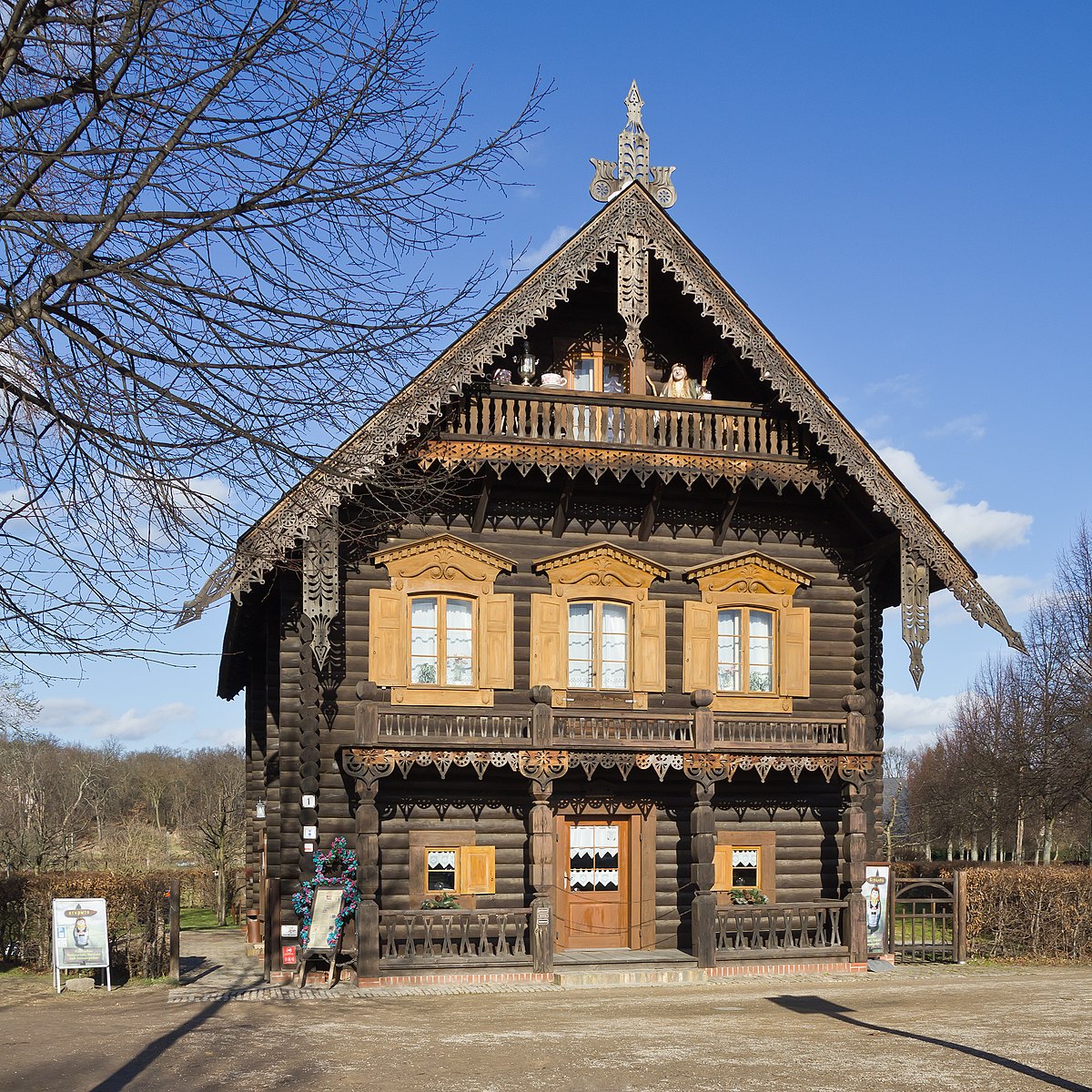
Located in the picturesque city of Potsdam, Germany, Alexandrowka is an intriguing architectural ensemble that reflects a unique blend of Russian and …

Alte Burg Penzlin
📍 Brandenburg, Germany
Alte Burg Penzlin, a captivating castle located in the quaint town of Penzlin, Germany, serves as a remarkable example of medieval architecture and …

Alte Dorfkirche Röxe
📍 Brandenburg, Germany
The Alte Dorfkirche Röxe stands as a poignant symbol of architectural and cultural history in the Stendal region of Germany. This church building, …
More Architectural Ensembles

144., 176. und 184. Gemeindeschule
📍 Berlin, Germany
The 144., 176. und 184. Gemeindeschule, an architectural ensemble located in the vibrant city of Berlin, stands as a noteworthy example of educational …

Adelheidstraße 3–7, 9–12, 12a, 14, 15, 22–31, Amelungstraße 1, Friedrich-Ebert-Platz
📍 Lower Saxony, Germany
In the heart of Quedlinburg, Germany, lies a captivating architectural ensemble that reflects the town’s historical significance and cultural …

Aegidiimarkt
📍 Lower Saxony, Germany
Aegidiimarkt is a captivating architectural ensemble located in the heart of Münster, Germany. This vibrant square not only serves as a hub for local …
Alexandrowka
📍 Brandenburg, Germany
Located in the picturesque city of Potsdam, Germany, Alexandrowka is an intriguing architectural ensemble that reflects a unique blend of Russian and …

Alhauser Hammer
📍 North Rhine-Westphalia, Germany
Alhauser Hammer is a remarkable architectural ensemble located in Ennepetal, Germany, known for its historical significance as a water-driven hammer …

Alsdorfer Ölmühle
📍 North Rhine-Westphalia, Germany
The Alsdorfer Ölmühle, an architectural ensemble located in the heart of Alsdorf, Germany, is a remarkable example of a traditional watermill that …