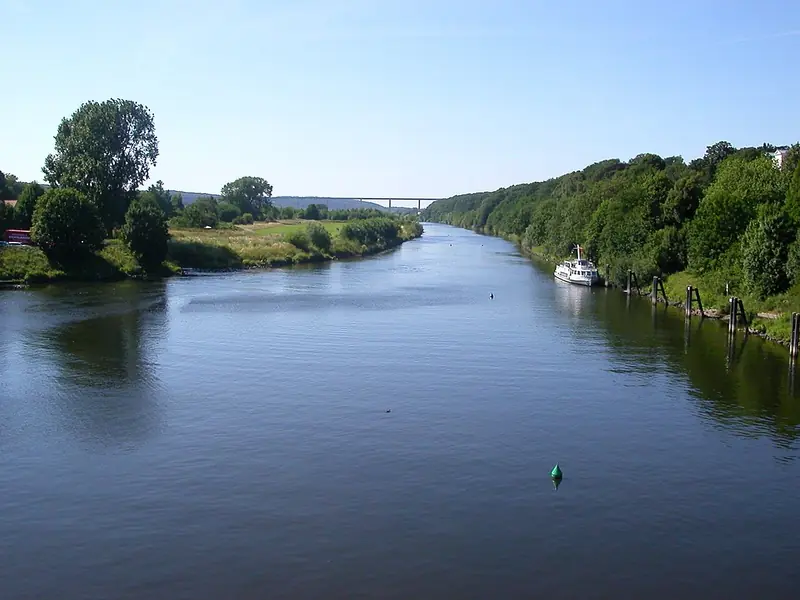
Overview
The Ruhr River flows through Germany, weaving its way across the landscape and contributing to the region’s diverse ecology and rich industrial heritage. With its origins in the northern part of the country, the Ruhr stretches through several towns and cities before merging with the Rhine River. Historically significant as a vital waterway for trade and transportation, the Ruhr has played a crucial role in the development of the surrounding industrial regions. This river not only provides ecological benefits but also serves as a cultural landmark, representing the interplay between nature and human innovation.
Visitors to the Ruhr can expect a dynamic experience, where the scenic beauty of the river meets the historical narrative of the area. With opportunities for outdoor activities, cultural exploration, and a glimpse into the past, the Ruhr invites travelers to appreciate both its natural and industrial heritage.
History and Significance
The Ruhr River has been an essential waterway in Germany for centuries, facilitating commerce and transport for local communities. Its significance extends beyond mere transportation; the river has profoundly influenced the cultural and industrial development of the surrounding area. The region of the Ruhr is known for its industrial history, particularly during the 19th and 20th centuries, when coal mines and steel production dominated the landscape. The river’s accessibility allowed for the efficient movement of goods, which was crucial to the economic growth of this industrial heartland.
As urbanization took hold, the Ruhr region transformed into a hub of innovation and production, with the river serving as a vital artery for resources. Over time, the cultural landscape evolved, incorporating the influences of industrial growth into the community’s identity. Today, the Ruhr reflects a blend of its industrial past and natural beauty, making it a significant area for both historical study and ecological appreciation.
In recent years, efforts have been made to revitalize the areas surrounding the Ruhr, focusing on sustainability and ecological restoration. This transformation showcases a commitment to preserving the river while acknowledging its historical importance. The Ruhr has become a symbol of resilience, embodying both the triumphs and challenges of the industrial age.
Architecture and Features
The Ruhr River is characterized by its flowing waters and the diverse landscapes that it traverses. While the river itself is primarily a natural feature, the surrounding architecture reflects the region’s industrial heritage. Visitors may encounter remnants of old factories, bridges, and warehouses that once thrived along the riverbanks, many of which have been repurposed into cultural spaces and museums.
The river’s banks are lined with paths and parks, providing ample opportunity for recreation and relaxation. The integration of green spaces along the river enhances the experience for visitors, offering scenic vistas and tranquil spots for contemplation. The combination of natural beauty and industrial remnants creates a unique atmosphere that invites exploration.
In addition to its historical structures, the Ruhr is home to various recreational facilities, including bike paths and walking trails that encourage outdoor activities. These features enhance the accessibility of the river, allowing visitors to engage with both its natural and cultural significance.
Visiting Information
Visiting the Ruhr River provides a range of experiences, from leisurely strolls along the riverbanks to more active pursuits such as cycling or kayaking. The various entry points along the river are generally well-connected by public transport, making it easy for travelers to explore different sections.
When planning a visit, it’s advisable to check the official website for current information regarding any events, guided tours, or special activities that may be available. Depending on the area of the river you choose to explore, the duration of your visit can vary significantly. Many visitors find that a half-day is sufficient for a leisurely stroll and some light exploration, while those wishing to engage in more extensive activities may want to dedicate a full day.
The best times to visit the Ruhr are during the spring and summer months when the weather is pleasant, and the outdoor areas are in full bloom. However, the river and its surroundings offer a different charm in the autumn, with colorful foliage adding to the scenery.
Nearby Attractions
While exploring the Ruhr River, visitors can take advantage of nearby attractions that further enrich their experience:
Zeche Zollverein: This UNESCO World Heritage Site, once a coal mine, is now a cultural complex that showcases industrial architecture and houses various museums and art spaces.
Gasometer Oberhausen: A former gas storage facility transformed into an exhibition space, offering stunning views from its observation deck and hosting art installations.
Museum Folkwang: Located in Essen, this renowned art museum features a vast collection of 19th and 20th-century art, making it a perfect stop for art enthusiasts.
LVR-Industriemuseum: Spread across multiple sites in the region, this museum provides insight into the industrial history of the Ruhr area, featuring exhibits on coal mining and steel production.
Grugapark: A large park in Essen, ideal for families and nature lovers, featuring beautifully landscaped gardens, playgrounds, and walking paths.
Insider Tips
When visiting the Ruhr, photography enthusiasts should take advantage of the golden hours—early morning or late afternoon—when the light beautifully illuminates the river and its surroundings. These times can also help you avoid larger crowds, allowing for a more serene experience.
For those looking to escape peak times, consider visiting on weekdays rather than weekends. Early mornings or late afternoons during the weekdays often provide a more tranquil atmosphere, especially at popular entry points along the river.
Practical Information
When planning your visit to the Ruhr, consider bringing comfortable walking shoes, as the best way to explore is often by foot or bike along the designated paths. Additionally, packing a light jacket or sweater is wise, as temperatures can vary throughout the day, especially in transitional seasons.
Seasonal considerations are important as well—spring and summer offer the most pleasant weather for outdoor activities, while autumn provides a stunning backdrop of colorful foliage. Winter may present challenges with colder temperatures, but it can also offer a unique perspective on the river’s beauty.
Frequently Asked Questions
How long should I spend visiting?
The recommended time for visiting the Ruhr River varies. A leisurely walk can take around 2-4 hours, while more extensive exploration, including nearby attractions, may require a full day.
Is photography allowed?
Photography is generally permitted along the river and in public parks. However, be mindful of any signage regarding specific restrictions in certain areas.
Are there guided tours?
While there may be guided tours available, it is best to check the official website for current offerings and details on how to book.
What’s the best time to visit?
The ideal times to visit are during the spring or summer months for pleasant weather, though autumn offers a stunning display of colors.
Is it wheelchair accessible?
Many areas along the Ruhr River are accessible, but it is advisable to check specific locations for wheelchair-friendly paths and facilities.
Can I buy tickets online?
For any specific events or museum entries along the river, check the official websites for information on online ticket purchases.
Are there restrooms and cafes?
Public restrooms and cafes are typically available in the more developed areas along the river, but it’s wise to verify specific locations in advance.
What should I wear?
Dress comfortably for walking and consider layers to accommodate changing weather conditions. Sturdy shoes are recommended for navigating paths along the river.



