Overview
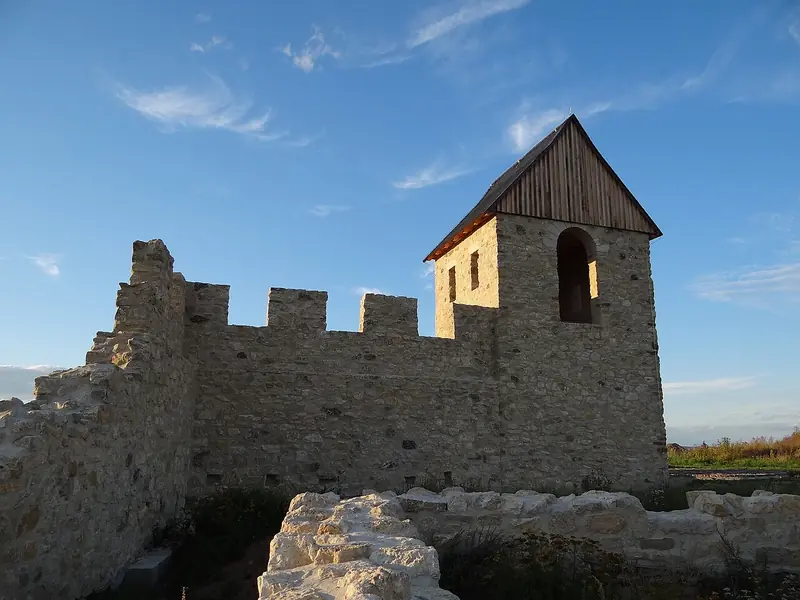
The Royal Palace of Werla stands as a remarkable testament to the grandeur of the 10th century Holy Roman Empire. Located in the heart of Lower Saxony, this archaeological site reveals the architectural and cultural sophistication of a bygone era. As you approach the site, you are greeted by an expansive landscape that hints at the palace’s historical significance. The ruins of Werla provide a glimpse into the political and social fabric of the time, offering insights into the lives of those who once inhabited this majestic structure.
This remarkable site captures the essence of a pivotal moment in history, where power and artistry converged. Visitors to Werla will uncover not only the physical remnants of the palace but also the stories of governance, culture, and daily life from the 10th century. The site invites you to explore its ruins, engage with its history, and imagine the vibrant life that once filled these halls.
History and Significance
The Royal Palace of Werla, a notable archaeological site, dates back to the 10th century, during a time when the Holy Roman Empire was a significant force in Europe. This period marked the consolidation of power among various factions, and the establishment of palatial sites like Werla was crucial for governance and administration. The palace served not only as a residence for nobility but also as a center for political gatherings and decision-making.
Over the centuries, the site has witnessed various transformations, reflecting the changing dynamics of power and culture. The remnants of the palace reveal its importance as a hub of activity, with evidence suggesting it played a vital role in the administration of the empire. The architecture and design of Werla also highlight the artistic and cultural advancements of the time, showcasing a blend of functionality and aesthetic appeal.
The significance of Werla extends beyond its physical structure; it is a symbol of the evolution of political power in the region. The palace served as a focal point for governance, influencing the surrounding area and contributing to the cultural landscape of Lower Saxony. As such, Werla remains an essential site for understanding the historical narrative of the Holy Roman Empire and its impact on European history.
Architecture and Features
The architectural layout of the Royal Palace of Werla reflects the complexity and ambition of 10th-century design. While specific details about the building’s dimensions and styles are not available, the palace’s ruins reveal a structure that was both imposing and intricately designed. Visitors can observe the remnants of walls and foundations that suggest a sophisticated understanding of space and utility, characteristic of palatial architecture of the time.
Notable features of the site include the layout of the palace grounds, which likely were organized to accommodate both residential and administrative functions. The ruins indicate areas that may have served as living quarters, ceremonial spaces, and administrative offices. Visitors are encouraged to explore these areas, taking note of the strategic placement of various structures that would have facilitated both privacy and public engagement.
The visual distinctiveness of Werla lies in its integration with the surrounding landscape, which enhances its historical allure. As you wander through the remnants of the palace, you can almost envision the lively gatherings and important deliberations that took place within its walls. The site invites contemplation of the architectural achievements of the era and the skilled craftsmanship that went into its construction.
Visiting Information
Getting to the Royal Palace of Werla is straightforward, with various transport options available in the region. The site is accessible by road, making it a convenient stop for those exploring Lower Saxony. Visitors generally find the site inviting, with ample space to roam and experience the historical significance of the location.
Hours: Check the official website for current opening hours.
Prices: Visit the official website for current admission prices.
During your visit, you can expect to engage with the site’s rich history through its remnants. The experience typically lasts around 1 to 2 hours, allowing you ample time to explore the grounds and absorb the historical context. Early morning visits are recommended for fewer crowds, while spring and fall provide ideal weather conditions for exploring the site.
Accessibility considerations are essential to note. While specific details on wheelchair access are not provided, it is advisable to contact the site directly for the latest information.
Nearby Attractions
While visiting the Royal Palace of Werla, consider exploring these nearby attractions to enhance your experience:
Historical Sites: The surrounding area is rich in historical significance, with various other archaeological sites that reflect the region’s past. A brief exploration can reveal more about the cultural context of the Holy Roman Empire.
Museums: Local museums often showcase artifacts and exhibits related to the era of the palace, providing deeper insights into the history and daily life during the 10th century.
Natural Landscapes: The nearby area features picturesque landscapes that are perfect for leisurely walks or picnics, allowing you to enjoy the natural beauty while contemplating the history of Werla.
Cultural Events: Depending on when you visit, there may be local cultural events or festivals that celebrate the history and traditions of Lower Saxony, offering additional opportunities for engagement.
Insider Tips
To make the most of your visit to the Royal Palace of Werla, keep these insider tips in mind:
Best Photography Spots: The remnants of the palace provide excellent backdrops for photography. Early morning light casts soft shadows that enhance the structure’s features, making it ideal for capturing the essence of the site.
Lesser-Known Details: Look for subtle architectural elements in the ruins that highlight the craftsmanship of the period. These small details often tell a larger story about the palace’s history.
Avoiding Crowds: Visiting early in the day or on weekdays can help you avoid larger groups, allowing for a more personal exploration of the site.
Local Recommendations: Engaging with local guides or staff can provide you with additional insights and anecdotes that enrich your understanding of the palace and its significance.
Practical Information
Before heading to the Royal Palace of Werla, consider the following practical details to enhance your visit:
What to Bring: Comfortable walking shoes are essential, as you will be exploring uneven terrain and ruins. A camera is also recommended for capturing the site’s unique features.
Seasonal Considerations: Weather can impact your experience, so check conditions before your visit. Spring and fall are typically pleasant for outdoor exploration.
Provisions: While specific dining options at the site may not be available, bringing snacks and water is advisable, particularly if you plan to spend a couple of hours exploring.
Frequently Asked Questions
How long should I spend visiting?
You should plan to spend about 1 to 2 hours at the Royal Palace of Werla to fully explore the site and appreciate its historical significance.
Is photography allowed inside?
While specific policies on photography are not mentioned, it is generally advisable to check with site personnel for any restrictions upon arrival.
Are there guided tours available?
Information on guided tours is not specified. It’s best to contact the site directly for details on whether tours are offered.
What’s the best time of day to visit?
The best time to visit is early in the morning when crowds are smaller, allowing for a more intimate experience of the site.
Is the site wheelchair accessible?
Specific information on wheelchair accessibility is not provided. It’s recommended to contact the site directly for the latest information.
Can I buy tickets online?
Details regarding online ticket purchasing are not available. Please check the official website for current admission prices and purchasing options.
Are there facilities like restrooms and cafes?
Information on facilities such as restrooms or cafes is not mentioned. It’s advisable to check the official website or contact the site for the latest information.
What should I wear when visiting?
Wear comfortable clothing and sturdy shoes suitable for walking on uneven terrain, as you will be exploring an archaeological site.



