Rother Berg Mining Landscape
Overview
The Rother Berg Mining Landscape is a cultural landscape of significant historical importance in Germany, recognized as part of a World Heritage site. This region offers visitors a unique glimpse into the rich mining heritage that shaped not only the local economy but also the cultural fabric of the area. The site is characterized by its intricate network of mining operations, which have played a crucial role in the development of the region over centuries. Visitors can expect to explore this remarkable landscape, which tells the story of human ingenuity and the evolution of mining practices.
Situated at coordinates 50.5201° N latitude and 12.7876° E longitude, the Rother Berg Mining Landscape is located in a region that has historically been vital to the extraction of valuable minerals. The site encompasses various elements that reflect the technological advancements and social changes brought about by the mining industry. As one walks through this cultural landscape, it becomes evident how the mining activities influenced the local communities and their way of life, creating a rich narrative that continues to resonate today.
Exploring the Rother Berg Mining Landscape promises an engaging experience for history enthusiasts and nature lovers alike. The combination of historical significance, cultural depth, and natural beauty makes it a worthwhile destination. Visitors will not only learn about the mining techniques of the past but also appreciate the ongoing dialogue between industry and nature in this remarkable setting.
History and Significance
The Rother Berg Mining Landscape is emblematic of Germany’s extensive mining history. While specific dates may not be detailed, it is well-documented that the region has been a center of mining activity, crucial for the extraction of various minerals. The landscape reflects the development of mining technologies and practices over time, showcasing how they have evolved in response to both economic demand and environmental considerations.
This cultural landscape has significantly influenced the local communities. The prosperity generated by mining activities led to urban growth and the establishment of various cultural and social institutions. The mining industry provided jobs, shaped local economies, and fostered a unique cultural identity that persists today.
Moreover, the mining landscape serves as a reminder of the delicate balance between industrial progress and environmental sustainability. The remnants of mining operations underscore the impact of human activity on the natural world, prompting reflection on the responsibilities that come with such endeavors. As society continues to grapple with issues related to resource extraction, the Rother Berg Mining Landscape stands as a poignant example of the past’s influence on the present and future.
Architecture and Features
The architectural elements within the Rother Berg Mining Landscape are primarily reflective of the mining operations that once thrived in the region. Visitors can expect to encounter remnants of old mining facilities, including shafts, processing plants, and other structures that highlight the industrial heritage of the area. These features not only provide insight into the technologies employed in mining but also illustrate the aesthetic considerations that were part of these industrial designs.
The layout of the mining landscape is characterized by terraced hillsides, which were often shaped by the excavation of minerals. This topographical alteration tells a story of human endeavor and the transformative impact of mining on the environment. Alongside these features, visitors may also find pathways and observation points that offer perspectives on both the mining structures and the surrounding landscape.
As you explore, take note of the various remnants that have been preserved, as they each contribute to an understanding of the region’s mining legacy. The combination of industrial remnants and the natural setting creates a unique atmosphere that invites contemplation and learning.
Visiting Information
Visiting the Rother Berg Mining Landscape offers a chance to delve into Germany’s mining history. While exact hours and prices may vary, it is best to check the official website for current information before planning your trip. The site is generally accessible year-round, though certain facilities may have seasonal hours.
Transport options to the Rother Berg Mining Landscape include local public transit and personal vehicles. The surrounding area is well-connected, making it relatively easy for visitors to reach the site. Once there, expect to spend several hours exploring the landscape, as there are many features to appreciate and learn about.
The best times to visit are during the spring and autumn months when the weather is mild, allowing for comfortable exploration of the area. Summer can be busy with tourists, so if you prefer a quieter experience, consider visiting during weekdays or in the off-peak season.
Nearby Attractions
While exploring the Rother Berg Mining Landscape, consider visiting these nearby attractions:
Chemnitz: This city offers a mix of historical and modern attractions, featuring museums, parks, and an array of architectural styles.
Zschopau Valley: A picturesque area ideal for hiking and enjoying nature, it provides a serene contrast to the industrial landscape of the mining site.
Historical Museum of Chemnitz: Dive deeper into the region’s history with exhibits that cover various aspects of local life, including its industrial past.
Kunstsammlungen Chemnitz: Art enthusiasts can appreciate a diverse collection of artworks spanning several centuries, housed in a grand historical building.
Schloss Augustusburg: A short drive away, this stunning castle is known for its remarkable architecture and beautiful gardens, offering a glimpse into the region’s noble past.
Insider Tips
When visiting the Rother Berg Mining Landscape, consider bringing a good camera to capture the unique industrial architecture and the surrounding natural beauty. Early mornings or late afternoons tend to offer the best lighting for photography, and these times also tend to be less crowded.
If you prefer to avoid larger crowds, plan your visit during weekdays or in the shoulder seasons when fewer tourists are around. This will enhance your experience as you explore the landscape at a more leisurely pace.
Practical Information
For a comfortable visit, consider wearing sturdy footwear, as exploring the mining landscape may involve uneven terrain. Depending on the season, it may also be wise to bring layers, as temperatures can vary throughout the day.
Additionally, packing water and snacks is recommended, as amenities on-site may be limited. Check the official website for any seasonal events or specific considerations that might affect your visit.
Frequently Asked Questions
How long should I spend visiting?
A visit typically takes around three to four hours, allowing ample time to explore and appreciate the landscape and its features.
Is photography allowed?
Yes, photography is generally allowed throughout the Rother Berg Mining Landscape, making it a great opportunity to capture memories of your visit.
Are there guided tours?
Check the official website for information on guided tours, as they may enhance your understanding of the site’s historical context and significance.
What’s the best time to visit?
Spring and autumn are ideal for visiting due to the mild weather. Summer can be busy, so consider weekdays or early mornings for a quieter experience.
Is it wheelchair accessible?
Access may vary depending on specific areas of the landscape. It is advisable to consult the official website for detailed accessibility information.
Can I buy tickets online?
Check the official website for current ticketing options and whether online purchase is available.
Are there restrooms and cafes?
Facilities may be limited; therefore, checking the official website for available amenities is recommended before your visit.
What should I wear?
Comfortable clothing and sturdy footwear are recommended, as the terrain can be uneven. Dress in layers to accommodate varying temperatures throughout the day.
More in Bavaria

8. November 1939 (Denkmal)
📍 Bavaria, Germany
The 8. November 1939 (Denkmal) stands as a poignant monument in Munich, Germany, marking a significant moment in the nation’s history. Dedicated to …

Abbey of St. Nikola in Passau
📍 Bavaria, Germany
The Abbey of St. Nikola in Passau stands as a significant religious and cultural landmark in this historic German city. Located at coordinates …

Abensbergerdenkmal
📍 Bavaria, Germany
The Abensbergerdenkmal, a notable monument located in Freising, Upper Bavaria, Germany, serves as an evocative reminder of the region’s historical and …
Abrechen (München)
📍 Bavaria, Germany
Abrechen in München is a bridge that plays a significant role in the connectivity of this bustling German city. Located at coordinates 48.1357, …
Abschnittsbefestigung Andechs
📍 Bavaria, Germany
The Abschnittsbefestigung Andechs, a striking castle located in the scenic region of Andechs, Germany, offers a fascinating glimpse into the …
Abschnittsbefestigung im Taitinger Holz
📍 Bavaria, Germany
The Abschnittsbefestigung im Taitinger Holz represents an intriguing chapter in Germany’s medieval architectural narrative. Located in Bavaria, this …
More Cultural Landscapes

Altes Land
📍 Lower Saxony, Germany
Altes Land, located in northern Germany, is a remarkable cultural landscape that reflects the unique agricultural heritage and traditional practices …

Altmark
📍 Brandenburg, Germany
The Altmark region, located in the northwestern part of Saxony-Anhalt, Germany, offers a unique glimpse into a cultural landscape shaped by centuries …
Annaberg-Frohnau Mining Landscape
📍 Bavaria, Germany
The Annaberg-Frohnau Mining Landscape, located in Germany, represents a significant chapter in the story of European industrial heritage. This …
Buchholz Mining Landscape
📍 Bavaria, Germany
The Buchholz Mining Landscape, located in Germany, is a remarkable cultural landscape that offers a glimpse into the historical significance of mining …
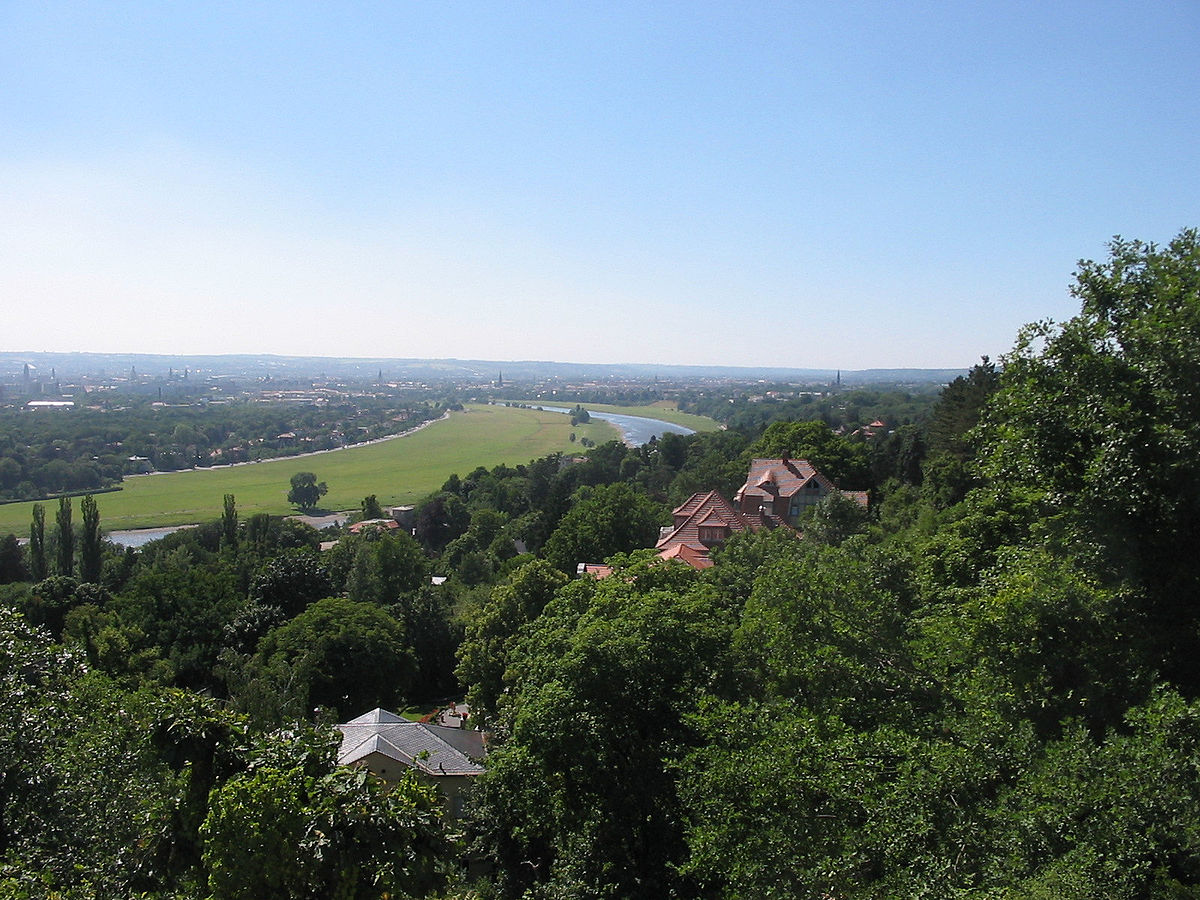
Dresden Elbe Valley
📍 Saxony, Germany
The Dresden Elbe Valley, a UNESCO World Heritage Site, is a cultural landscape that reflects the rich historical and artistic heritage of Saxony, …
Ehrenfriedersdorf Mining Landscape
📍 Saxony, Germany
The Ehrenfriedersdorf Mining Landscape, a significant cultural landscape in Germany, invites visitors to explore a rich history of mining that has …