Overview
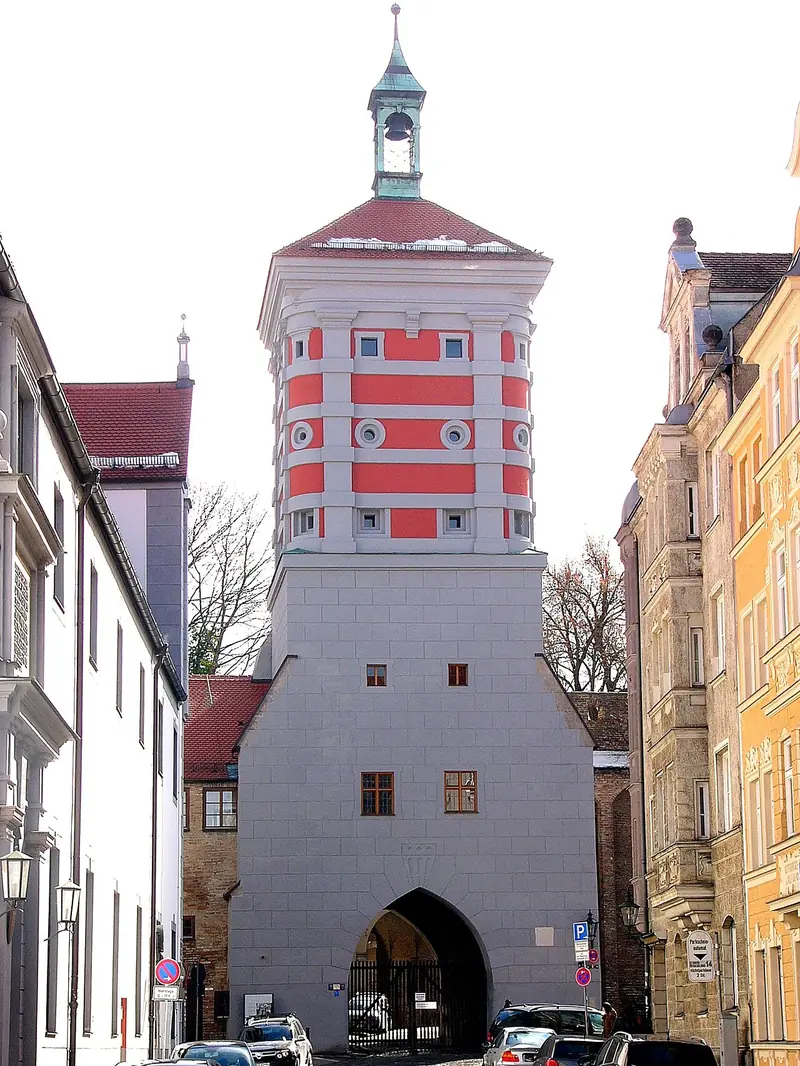
Rotes Tor, a historic city gate located in Augsburg, Germany, stands as a remarkable example of medieval fortifications from the city’s rich past. This impressive structure, characterized by its distinct gate tower, is not only a key element of Augsburg’s architectural heritage but also a significant landmark that reflects the city’s historical importance in the region. The gate’s strategic positioning made it a vital entry point to the city, offering insights into Augsburg’s fortification systems and urban planning during medieval times.
Visitors to Rotes Tor can expect to immerse themselves in a site that has witnessed centuries of history, from the bustling trade routes of the Middle Ages to contemporary urban life. The gate serves as a reminder of the city’s defensive architecture and its role in shaping the community. Whether you are an architecture enthusiast, a history buff, or simply someone interested in exploring cultural heritage, Rotes Tor offers a unique glimpse into the past while linking to the present.
History and Significance
The history of Rotes Tor is intertwined with the development of Augsburg as a significant center of trade and culture in southern Germany. The city itself has roots dating back to Roman times, but it flourished during the medieval period, becoming a pivotal location for commerce and politics. As part of the city’s defensive structures, Rotes Tor was constructed to protect Augsburg from potential invasions while also controlling access to the city.
The significance of Rotes Tor extends beyond its role as a mere entry point; it symbolizes the strategic military planning of the time. The gate served not only as a physical barrier but also as a statement of power and security for the citizens of Augsburg. Its architecture reflects the style and construction techniques of the period, showcasing the craftsmanship and engineering skills that were prevalent during its construction.
While specific historical milestones surrounding Rotes Tor may not be readily available, the gate remains a focal point for understanding Augsburg’s evolution over the centuries. It has witnessed changes in governance, economic shifts, and social transformations. Today, Rotes Tor is not just a remnant of the past but a vibrant part of Augsburg’s cultural landscape, serving as a backdrop for various events and activities that celebrate the city’s heritage.
Architecture and Features
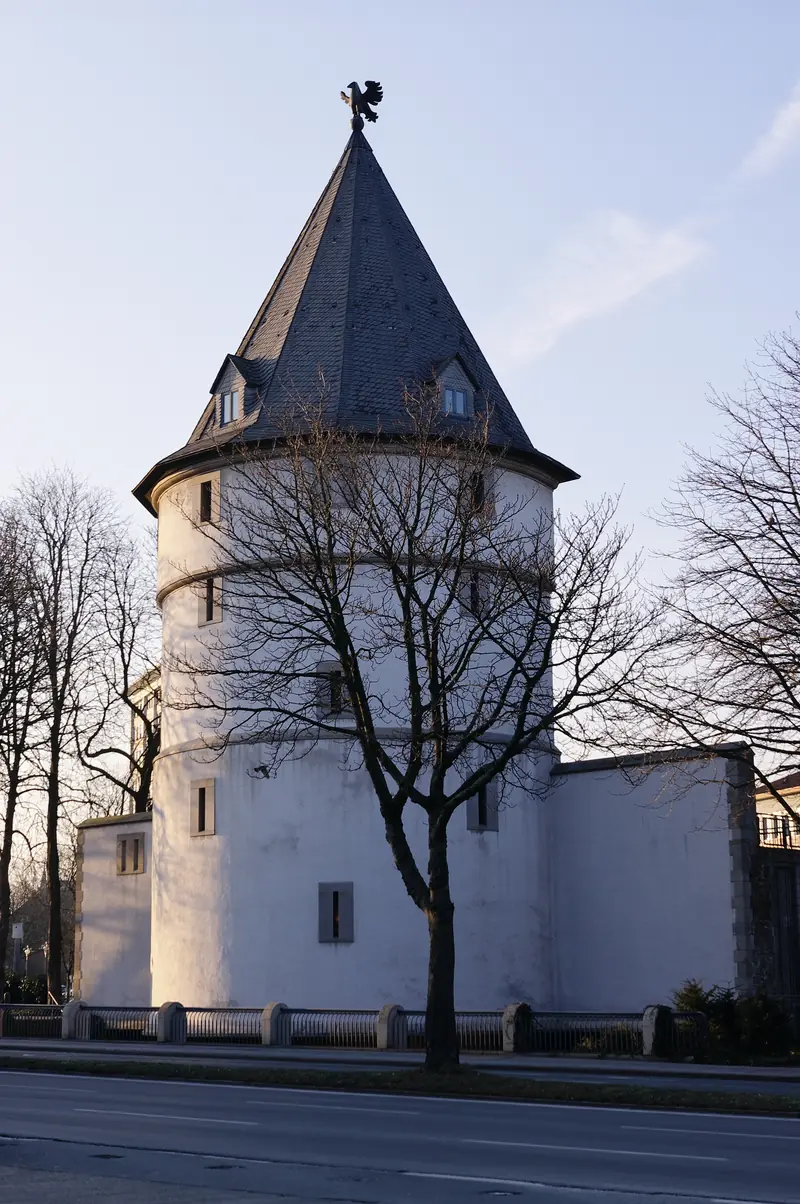
Rotes Tor is an exemplary representation of medieval architecture, characterized by its robust structure and imposing gate tower. The design emphasizes functionality and fortification, with thick walls and strategic openings that once allowed for surveillance and defense against potential threats. The gate’s tower is particularly noteworthy, rising above the surrounding structures and providing a commanding view of the entrance to the city.
The red brickwork from which Rotes Tor derives its name adds to its visual appeal, contrasting with the surrounding architecture and making it a standout feature in Augsburg. The gate is adorned with architectural details that reflect the Gothic influences of the era, including pointed arches and decorative stonework. These elements not only enhance the aesthetic value of the structure but also speak to the artistic trends of the time.
As a city gate, Rotes Tor served multiple purposes throughout its history, from a defensive stronghold to a ceremonial entryway. Visitors can appreciate the craftsmanship that went into its construction, with various features designed for both utility and display. The surrounding area also offers a glimpse into the historical context of the gate, making it a worthwhile stop for those interested in architectural history.
Visiting Information
When planning a visit to Rotes Tor, it is advisable to check the official website for current information regarding hours and ticket prices. The site is easily accessible via public transport, making it convenient for travelers to include in their itinerary. Visitors can expect to spend around one hour exploring the gate and its surroundings, allowing for ample time to appreciate the architecture and take photographs.
The best times to visit Rotes Tor are during the spring and fall when the weather is mild and conducive to exploring. The area can get busy during peak tourist seasons, so early morning visits may provide a quieter experience. The gate is part of a larger urban setting, so visitors can also enjoy nearby parks and cafes to enhance their outing.
To make the most of your visit, consider taking a guided tour to gain deeper insights into the history and significance of Rotes Tor. Engaging with knowledgeable guides can provide context that enriches your understanding of this historic site.
Nearby Attractions
Rotes Tor is conveniently located near several other attractions that enhance the cultural experience in Augsburg. Here are a few notable sites to consider:
Augsburg Cathedral: A short distance away, this stunning cathedral showcases impressive Romanesque and Gothic architecture, as well as beautiful stained glass windows.
Fuggerei: This historic social housing complex, founded in the 16th century, offers insights into the lives of Augsburg’s citizens and is recognized as the world’s oldest social housing project still in use.
Augsburg Town Hall: Renowned for its magnificent Renaissance architecture, the Town Hall is a must-see for its grand interiors and historical significance.
Perlach Tower: This medieval tower provides panoramic views of the city and is an excellent spot for photography enthusiasts.
Augsburg’s Historic City Center: A UNESCO World Heritage site, the city center is filled with charming streets, shops, and cafés, perfect for exploring the local culture.
Insider Tips
For those looking to capture memorable photos of Rotes Tor, it is best to visit during early morning or late afternoon when the lighting is softer and more flattering. The surrounding area provides various angles from which to photograph the gate, allowing you to experiment with different compositions.
To avoid crowds, consider visiting during weekdays, as weekends tend to attract more tourists. If you are interested in learning more about the gate’s history, check if there are any special events or guided tours taking place during your visit, as these can offer additional insights and enhance your experience.
Practical Information
When visiting Rotes Tor, it is advisable to wear comfortable shoes, as you may want to explore the surrounding area. Be sure to bring a camera to capture the stunning architecture and vibrant atmosphere. Seasonal considerations may also factor into your visit; spring and summer typically offer pleasant weather, while winter can bring colder temperatures.
If you plan to spend more time in Augsburg, consider packing a light jacket for cooler evenings, especially if you intend to explore the city after sunset.
Frequently Asked Questions
How long should I spend visiting?
A visit to Rotes Tor typically takes about one hour, allowing time for exploration and photography. However, those interested in guided tours may want to allocate more time.
Is photography allowed?
Yes, photography is allowed at Rotes Tor, making it an excellent spot for capturing historical architecture.
Are there guided tours?
Guided tours may be available; check the official website for details on scheduling and availability.
What’s the best time to visit?
The best times to visit are during the spring and fall when the weather is mild, and the site is less crowded.
Is it wheelchair accessible?
Check the official website for current accessibility information regarding Rotes Tor.
Can I buy tickets online?
For the latest information on ticket purchasing options, visit the official website.
Are there restrooms and cafes?
Nearby facilities may be available, but it is best to check local resources for specific information.
What should I wear?
Wear comfortable clothing and shoes suitable for walking, especially if you plan to explore the area around Rotes Tor.
Rotes Tor offers a significant glimpse into the historical fabric of Augsburg, making it a worthwhile destination for those seeking to explore the city’s past.