
Roter Ochse
Overview
Roter Ochse, a poignant memorial located in Halle (Saale), Germany, serves as a stark reminder of the country’s complex and often painful history. Originally a prison, this site has transformed into a significant memorial that addresses the themes of justice, oppression, and remembrance. Situated in the heart of Saxony-Anhalt, the Roter Ochse stands as a focal point for those interested in exploring Germany’s past, particularly the impact of totalitarian regimes. Its significance is underscored by the stories of those who were imprisoned within its walls, making it a crucial site for education and reflection on human rights and the consequences of political repression.
Visitors to Roter Ochse can expect to encounter a space that fosters contemplation and understanding of historical injustices. The memorial aims not only to honor the memory of its former inmates but also to engage the public in discussions about the importance of safeguarding freedoms in contemporary society. The site invites exploration of both its architectural features and the broader narratives of those who suffered in this institution.
History and Significance
Roter Ochse has a storied past that reflects the tumultuous history of Germany, particularly during the 20th century. As a prison, it was used to detain individuals under various political regimes, highlighting the struggles faced by those who opposed or were victimized by authoritarian rule. The site has witnessed countless stories of resilience, suffering, and resistance, making it a critical point of reflection on the nature of justice and human rights.
Historically, the prison was utilized during times of political turmoil, serving as a location for the imprisonment of dissenters and those accused of crimes against the state. This legacy of oppression is central to understanding the significance of Roter Ochse as a memorial. It stands not only as a tribute to those who endured hardship within its walls but also as a call to remember and learn from the past to prevent such injustices in the future.
The site has been transformed into a memorial to educate visitors about the history of political repression and the importance of human rights. Through exhibitions and educational programs, Roter Ochse emphasizes the need for awareness and vigilance in protecting civil liberties. Its role in fostering discussions on historical and contemporary issues makes it a vital location for both locals and international visitors.
Architecture and Features
The architectural design of Roter Ochse is notable, reflecting the utilitarian style typical of prisons of its era. The structure is characterized by its imposing presence, with thick walls and robust features that evoke a sense of both confinement and endurance. Visitors will observe the stark contrast between the austere exterior and the memorial’s interior, which has been thoughtfully designed to encourage reflection and remembrance.
Inside, the memorial may feature exhibitions that detail the history of the prison, including personal stories of former inmates. Artifacts, photographs, and informational displays contribute to a deeper understanding of the site’s significance. The layout often facilitates a contemplative experience, with areas designated for quiet reflection and learning.
While the specifics of the architectural elements are not detailed, it is clear that Roter Ochse has been adapted from its original function as a prison into a space that promotes education and awareness. The juxtaposition of its past as a place of incarceration against its current role as a memorial enriches the visitor experience and underscores the importance of remembering history.
Visiting Information
To visit Roter Ochse, travelers can expect a journey that offers both educational insights and opportunities for reflection. The site is accessible via public transportation, making it convenient for those staying in Halle or the surrounding regions. Visitors should plan their trip around the hours of operation; check the official website for current information regarding visiting times and any potential entry fees.
When visiting, it is advisable to allocate approximately a couple of hours to fully engage with the exhibits and the memorial space. This allows ample time for exploration, reflection, and, if desired, participation in any guided tours that may be available.
The best times to visit Roter Ochse often align with weekdays to avoid larger crowds, particularly during weekends and holidays when the site may attract more visitors. Engaging with the material in a quieter setting can enhance the reflective experience that the memorial aims to provide.
Nearby Attractions
While Roter Ochse is a significant destination in itself, visitors to Halle (Saale) can also explore several nearby attractions that complement their historical journey:
- Marktkirche St. Mary - A beautiful Gothic church located in the city center, known for its impressive architecture and historical significance.
- Halle State Museum of Prehistory - This museum showcases archaeological finds from the region, providing context to the area’s ancient history.
- The Botanical Garden - A tranquil space filled with diverse plant species, ideal for a peaceful stroll after visiting the memorial.
- Francke Foundations - An educational and cultural complex that includes historical buildings and exhibits on various topics, including the history of education in Germany.
These attractions can enhance the visitor experience by providing a broader understanding of the region’s cultural and historical context.
Insider Tips
When planning your visit to Roter Ochse, consider bringing a good camera, as many areas are visually striking and may offer compelling photographic opportunities. However, be mindful of where photography is permitted and respectful of the solemn nature of the memorial.
To avoid larger crowds, consider visiting during weekdays, especially in the morning when the site opens. This can allow for a more intimate experience and greater engagement with the exhibits. Additionally, early visits may offer quieter moments for contemplation.
Practical Information
When visiting Roter Ochse, it is advisable to wear comfortable shoes, as you may spend time walking through the memorial and exploring the exhibits. Depending on the season, dress appropriately for the weather, as temperatures can vary significantly in Germany.
Bringing a water bottle and light snacks can enhance your experience, especially if you plan to spend a few hours at the site. Check the official website for any specific guidelines on what to bring and any seasonal considerations that may affect your visit.
Frequently Asked Questions
How long should I spend visiting?
A visit typically requires about 2 hours to fully appreciate the exhibits and memorial space, but feel free to extend your time for deeper reflection.
Is photography allowed?
Photography policies may vary within the memorial. Check for specific signage indicating where photography is permitted.
Are there guided tours?
Guided tours may be available, providing additional context and insights into the memorial’s history. Check the official website for details.
What’s the best time to visit?
Weekdays, particularly during the morning, are often quieter, allowing for a more contemplative experience.
Is it wheelchair accessible?
Accessibility details are not specified, so it is recommended to check the official website for information regarding wheelchair access.
Can I buy tickets online?
Check the official website for current ticketing options, including whether online purchases are available.
Are there restrooms and cafes?
Facilities may be available on-site, but it is advisable to check the official website for specific amenities.
What should I wear?
Wear comfortable clothing and shoes, and dress appropriately for the weather conditions during your visit.
More in Brandenburg
Agnetenkloster
📍 Brandenburg, Germany
Agnetenkloster, a former monastery located in the heart of Magdeburg, Germany, invites visitors to explore its serene ambiance and historical …

Agroneum
📍 Brandenburg, Germany
Agroneum is a museum located in the serene landscape of Alt Schwerin, Germany. This establishment serves as a vibrant hub for those interested in the …

Alexander Nevsky Memorial Church
📍 Brandenburg, Germany
The Alexander Nevsky Memorial Church in Potsdam, Germany, offers visitors a unique glimpse into the city’s cultural and religious heritage. This …
Alexandrowka
📍 Brandenburg, Germany
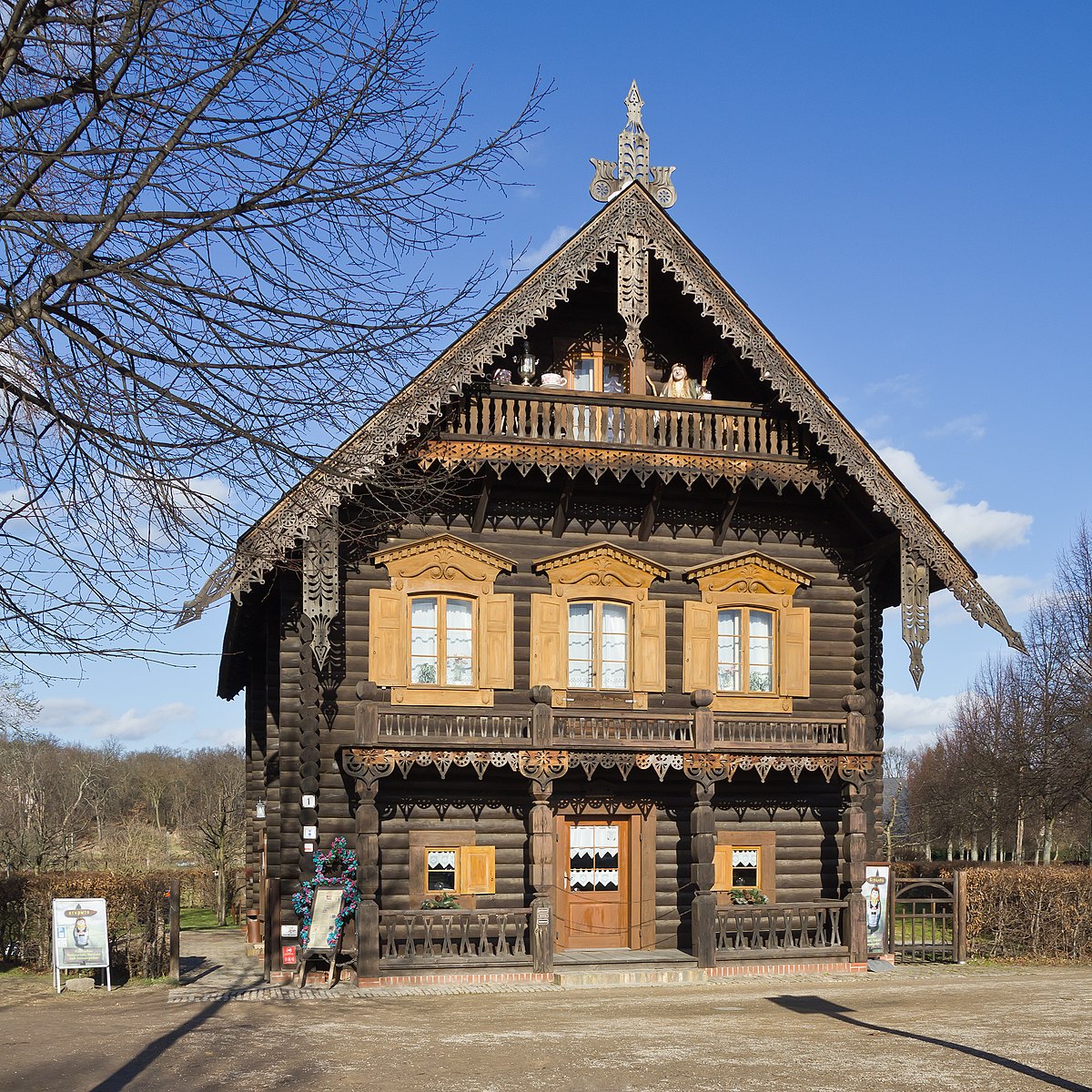
Located in the picturesque city of Potsdam, Germany, Alexandrowka is an intriguing architectural ensemble that reflects a unique blend of Russian and …

Alte Burg Penzlin
📍 Brandenburg, Germany
Alte Burg Penzlin, a captivating castle located in the quaint town of Penzlin, Germany, serves as a remarkable example of medieval architecture and …

Alte Dorfkirche Röxe
📍 Brandenburg, Germany
The Alte Dorfkirche Röxe stands as a poignant symbol of architectural and cultural history in the Stendal region of Germany. This church building, …
More Memorials

2 Straßenbau- Gedenksteine
📍 Schleswig-Holstein, Germany
In the picturesque region of Bösdorf, Germany, two memorial stones commemorate a pivotal moment in the history of infrastructure development. Known as …

Albrecht-Dürer-Denkmal
📍 Bavaria, Germany
In the heart of Nuremberg, Germany, the Albrecht-Dürer-Denkmal stands as a tribute to one of the most influential figures in Northern Renaissance art. …

Alexiuskreuz
📍 Lower Saxony, Germany
A visit to Alexiuskreuz in Mägdesprung, Harzgerode, invites exploration of a poignant memorial that honors significant historical events and figures. …

Alsdorfer Bergmannskreuz
📍 North Rhine-Westphalia, Germany
The Alsdorfer Bergmannskreuz memorial, located in Simmerath, Germany, serves as a poignant reminder of the region’s mining heritage and the cultural …
Alte Pathologie Wehnen
📍 Lower Saxony, Germany
In the tranquil landscape of Bad Zwischenahn, Germany, the Alte Pathologie Wehnen serves as a solemn memorial dedicated to the victims of the Nazi …

Arbeitserziehungslager Nordmark
📍 Schleswig-Holstein, Germany
Arbeitserziehungslager Nordmark, located on the outskirts of Kiel, Germany, serves as a solemn memorial to the atrocities committed during the Nazi …