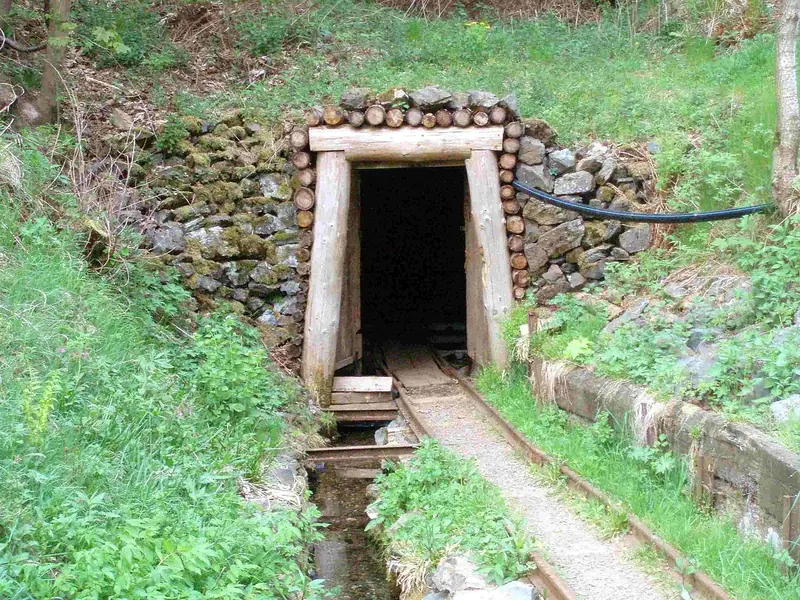
Overview
Roter Bär Pit, a historic mine located in Sankt Andreasberg, Harz, Germany, offers visitors a glimpse into the region’s industrial heritage. This site serves as a significant representation of mining practices and technologies that played a pivotal role in the development of the Harz Mountains. Surrounded by the lush landscapes of the Harz National Park, the mine is not only an important historical site but also an educational resource for understanding the challenges and innovations of mining in the area. As you explore Roter Bär Pit, you delve into the life of miners and the industrial processes that shaped the local economy and community.
Visitors can expect to engage with the mine’s history, observe its engineering, and appreciate its cultural relevance, making it a worthwhile destination for both history enthusiasts and casual travelers alike.
History and Significance
The history of Roter Bär Pit is deeply intertwined with the mining activities that have occurred in the Harz region for centuries. This area was known for its rich deposits of silver, copper, and lead, which attracted miners and entrepreneurs from various backgrounds. The mine played a crucial role in the local economy, particularly during periods of heightened demand for these minerals.
Mining in the Harz Mountains dates back to the Middle Ages, and over the centuries, the techniques and technologies evolved significantly. Roter Bär Pit represents an important chapter in this narrative, showcasing the advancements in mining methods that were employed to extract valuable ores efficiently and safely. The mine has witnessed various phases of activity, reflecting the changing economic circumstances and technological innovations of its time.
Culturally, Roter Bär Pit serves as a reminder of the hardships faced by miners. The labor-intensive nature of mining meant that workers often encountered perilous conditions. This site allows for a deeper understanding of the miners’ lives and the impact of mining on local communities. As such, Roter Bär Pit is not just a relic of industrial activity; it is a poignant representation of the human experience related to the harsh realities of mining work.
Architecture and Features
The architectural design of Roter Bär Pit is characteristic of historic mining facilities in the region. The structures associated with the mine exhibit the functional aesthetic typical of industrial heritage sites. The buildings are primarily constructed from local materials, reflecting the integration of the mine into its natural surroundings.
One notable feature of Roter Bär Pit is its underground tunnels, which are essential for the extraction of ores. These tunnels, carved into the rock, demonstrate the engineering capabilities of the time and reveal how miners navigated the subterranean environment. Visitors can gain insight into the construction methods used and the challenges faced by those who worked in such confined and often dangerous spaces.
The remnants of mining machinery and tools scattered throughout the site further enhance the historical significance of Roter Bär Pit. These artifacts provide context for the technological advancements that transformed mining practices. The preservation of these elements makes it possible to appreciate the evolution of mining techniques and the tools that were essential for successful ore extraction.
Visiting Information
Getting to Roter Bär Pit is relatively straightforward, with various transport options available. The mine is located in Sankt Andreasberg, which is accessible by car or public transport from major cities in the region. The scenic drive through the Harz Mountains enhances the experience, providing a picturesque backdrop for your visit.
Visitors to Roter Bär Pit can expect an informative and engaging experience. The site offers the opportunity to explore both above and below ground, with knowledgeable guides often available to provide insights into the mine’s history and operation. Check the official website for current information regarding hours and prices, as these may vary depending on the season or special events.
To fully appreciate the site, plan to spend a few hours exploring the mine and its surroundings. The best times to visit are typically during the spring and summer months when the weather is more favorable for outdoor activities. However, the mine’s historical significance makes it an interesting destination year-round.
Nearby Attractions
After exploring Roter Bär Pit, consider visiting these nearby attractions:
Harz National Park: This expansive park offers a variety of outdoor activities, from hiking and biking to wildlife watching. The natural beauty of the area complements the industrial heritage of the mine.
Sankt Andreasberg: The charming town itself is worth exploring. Known for its historic buildings and picturesque streets, it provides a glimpse into local life in the Harz region.
Museum of Mining: Located nearby, this museum offers additional insights into the mining history of the area, featuring exhibits on mining technology and the lives of miners.
Brocken Mountain: The highest peak in the Harz range, Brocken offers breathtaking views and several hiking trails. It is a popular destination for those looking to immerse themselves in the natural environment.
Schierke: A quaint village that serves as a gateway to the Harz National Park, Schierke offers scenic trails and a peaceful atmosphere.
Insider Tips
To make the most of your visit to Roter Bär Pit, here are some insider tips:
Photography: While photography is typically allowed, be mindful of any restrictions within specific areas of the mine. Capture the unique geological formations and historical equipment for memorable keepsakes.
Crowd Avoidance: Visiting during weekdays or early in the morning can help you avoid larger crowds, allowing for a more intimate exploration of the site.
Practical Information
Before you visit Roter Bär Pit, consider the following practical information:
What to Bring: Comfortable walking shoes are essential, given the uneven terrain of the mine and surrounding areas. A light jacket is advisable, as temperatures can vary, especially underground.
Seasonal Considerations: Be prepared for changing weather conditions, particularly if you plan to explore the outdoor areas of Harz National Park. Checking the forecast in advance can help ensure a more enjoyable experience.
Frequently Asked Questions
How long should I spend visiting?
A visit to Roter Bär Pit typically takes around 2-3 hours, allowing you enough time to explore the site and learn about its history.
Is photography allowed?
Yes, photography is generally permitted, but be sure to check for any specific restrictions in certain areas of the mine.
Are there guided tours?
Guided tours are often available, providing valuable insights into the history and significance of the mine.
What’s the best time to visit?
The best times to visit are during the spring and summer months when the weather is more favorable for outdoor exploration.
Is it wheelchair accessible?
Check the official website for detailed accessibility information, as some areas may be challenging for wheelchair users.
Can I buy tickets online?
Check the official website for current information on ticket purchasing options, including online availability.
Are there restrooms and cafes?
Facilities may be available on-site, but it is advisable to check the official website for the latest information regarding amenities.
What should I wear?
Wear comfortable and sturdy footwear suitable for walking on uneven surfaces. Dress in layers to accommodate changes in temperature, especially if exploring underground areas.