
Roman Monuments, Cathedral of St. Peter and Church of Our Lady in Trier UNESCO World Heritage Site
Overview
Trier, Germany, is home to the Roman Monuments, Cathedral of St. Peter, and Church of Our Lady—a UNESCO World Heritage Site that showcases the remarkable architectural heritage of the Roman Empire. This ensemble is a significant representation of a large Roman capital after the division of the empire, offering visitors a glimpse into its storied past and architectural ingenuity. Situated in the picturesque Moselle Valley, Trier is not only Germany’s oldest city but also a vital cultural hub that attracts history enthusiasts and architecture lovers alike.
The site encompasses a variety of structures that illustrate the evolution of Roman architecture and its influence on subsequent periods. From the impressive Roman monuments to the majestic cathedral and the elegant Church of Our Lady, each part of this ensemble serves as a captivating narrative of Trier’s historical journey. Visitors can expect a rich experience, exploring the intricate details of these architectural marvels while absorbing the ambiance of one of Europe’s most significant historical locations.
History and Significance
Trier’s significance dates back to its foundation as the Roman city of Augusta Treverorum around the 1st century AD. It served as a political and administrative center, especially during the late Roman Empire. The Roman Monuments within the site, including the well-preserved Porta Nigra, an imposing city gate made of sandstone, embody the grandeur of Roman engineering and urban planning.
The Cathedral of St. Peter, which is one of the oldest cathedrals in Germany, reflects the transition from Roman to early Christian architecture. Its construction spans several centuries, showcasing various architectural styles that evolved over time. The church is not just a religious structure but also a symbol of the Christianization of the region, representing a key aspect of cultural transformation during the Middle Ages.
The Church of Our Lady (Liebfrauenkirche), adjacent to the cathedral, is notable for its Gothic elements and is recognized as one of the first Gothic churches in Germany. Its design integrates Romanesque and Gothic architectural features, illustrating the evolution of ecclesiastical architecture in the region.
Together, these monuments and churches highlight the blend of Roman and Christian influences that shaped Trier’s identity and played a crucial role in the cultural history of Europe. Their preservation allows for a deeper understanding of the architectural advancements and societal changes that occurred over centuries.
Architecture and Features
The Roman Monuments, Cathedral of St. Peter, and Church of Our Lady collectively represent a blend of architectural styles and historical significance.
Roman Monuments
The most striking feature of the Roman Monuments is the Porta Nigra. This monumental city gate, constructed from grey sandstone, features intricate carvings and is a prime example of Roman defensive architecture. It originally served as a gateway to the city and is now a symbol of Trier itself.
Cathedral of St. Peter
The Cathedral of St. Peter stands as a remarkable example of various architectural styles. Its origins can be traced back to the 4th century, showcasing a blend of Romanesque and Gothic elements. The cathedral features an impressive nave, a series of chapels, and a striking altar. Notable artifacts within include remnants of early Christian art and significant liturgical items, reflecting the cathedral’s long-standing role in the ecclesiastical hierarchy of the region.
Church of Our Lady
The adjacent Church of Our Lady is particularly noted for its octagonal design and stunning stained glass windows. Its construction began in the 13th century and is characterized by elegant arches and a harmonious blend of Romanesque and Gothic styles. The church’s interior is adorned with beautiful sculptures and artistic decorations, enhancing its serene ambiance.
Together, these structures form a cohesive architectural ensemble that showcases the evolution of building techniques and styles from ancient Rome through the Middle Ages, establishing Trier as a significant architectural hub.
Visiting Information
When planning a visit to the Roman Monuments, Cathedral of St. Peter, and Church of Our Lady, there are several factors to consider to enhance your experience.
Transport
Trier is easily accessible by train, bus, or car. The city is well-connected to major German cities, making it a convenient destination for travelers. Upon arrival, public transportation options, such as buses, provide easy access to the UNESCO site.
What to Expect
Visitors can expect to spend several hours exploring the ensemble. The Porta Nigra typically serves as the starting point, followed by visits to the Cathedral of St. Peter and the Church of Our Lady. Each location offers unique insights into the architectural and historical significance of the site.
Time Needed
A visit to the entire ensemble can take approximately 2 to 4 hours, depending on individual interests and the depth of exploration desired.
Best Times
Spring and early autumn are ideal for visiting, as the weather is generally pleasant and conducive to outdoor exploration. The site can get busy during peak tourist seasons, so planning your visit during weekdays or early morning can enhance your experience.
For specific visiting hours and ticket prices, check the official website for current information.
Nearby Attractions
Trier is rich in historical and cultural sites beyond the UNESCO ensemble. Here are a few nearby attractions to consider:
Roman Amphitheatre: Just a short distance from the main site, this well-preserved amphitheater once hosted gladiatorial contests and other public spectacles.
Trier Imperial Baths: These ancient Roman baths exemplify the sophisticated public bathing culture of the Romans and provide insight into daily life during that era.
Karl Marx House: The birthplace of Karl Marx, this museum offers a look into the life and legacy of one of history’s most influential thinkers.
Basilica of Constantine: Known for its grand scale and exceptional architecture, this basilica was built as a throne room for the Roman emperor and remains a significant historical landmark.
Moselle River Promenade: A scenic area perfect for leisurely walks or a relaxing meal, this promenade highlights the natural beauty surrounding Trier.
Insider Tips
To enhance your visit, consider the following tips:
Photography: The architectural details of the Roman Monuments and churches provide excellent photography opportunities. Early mornings or late afternoons offer the best natural light for capturing stunning images.
Crowd Avoidance: For a more serene experience, aim to visit during the shoulder seasons or on weekdays. Early mornings are typically less crowded, allowing for a more intimate exploration of the site.
Practical Information
When visiting the Roman Monuments, Cathedral of St. Peter, and Church of Our Lady, here are some practical considerations:
What to Bring: Comfortable walking shoes are essential, as visitors will be exploring several historical sites on foot. A lightweight jacket may be useful, especially during cooler months.
Seasonal Considerations: Be prepared for varying weather conditions throughout the year. In winter, dress warmly, while summer visitors should consider sun protection.
Frequently Asked Questions
How long should I spend visiting?
A visit typically takes around 2 to 4 hours, depending on your interest in exploring each site.
Is photography allowed?
Photography is generally permitted, but be respectful of any restrictions inside places of worship.
Are there guided tours?
Guided tours are often available, providing in-depth insight into the history and architecture of the site.
What’s the best time to visit?
Spring and early autumn are ideal for pleasant weather and fewer crowds.
Is it wheelchair accessible?
Check the official website for details on accessibility options for each site.
Can I buy tickets online?
Ticket purchasing options may vary. Check the official website for current information.
Are there restrooms and cafes?
Facilities are typically available on-site; however, check the official website for specifics.
What should I wear?
Dress comfortably and appropriately for a cultural site, considering weather conditions.
The Roman Monuments, Cathedral of St. Peter, and Church of Our Lady in Trier are not just a collection of historical structures but a vibrant testament to the rich tapestry of history that continues to inspire and educate. Your visit to this UNESCO World Heritage Site promises to be a fulfilling experience, steeped in cultural heritage and architectural wonder.
More in Rhineland-Palatinate
Abenteuermuseum
📍 Rhineland-Palatinate, Germany
The Abenteuermuseum, located in Germany, invites visitors to explore the wonders of adventure through its unique exhibits and engaging experiences. …
Abtei Wadgassen
📍 Rhineland-Palatinate, Germany
Abtei Wadgassen, a historical monastery located in Saarlouis, Germany, offers visitors a glimpse into the spiritual and architectural heritage of the …

Achteinhalb
📍 Rhineland-Palatinate, Germany
In the heart of Saarbrücken, Germany, Achteinhalb serves as a vibrant cultural hub for cinema enthusiasts. This movie theater not only showcases a …

Alexander Church
📍 Rhineland-Palatinate, Germany
Alexander Church, a notable church building located in Zweibrücken, Germany, offers a captivating glimpse into the region’s spiritual and …
Alt-Saarbrücken
📍 Rhineland-Palatinate, Germany
Alt-Saarbrücken, the old town of Saarbrücken, Germany, offers a glimpse into the historical fabric of the region. With its cobblestone streets and …

Altburg (Bundenbach)
📍 Rhineland-Palatinate, Germany
Altburg, situated in the picturesque region of Rhineland-Palatinate, Germany, is a fascinating castle that invites visitors to explore its storied …
More Architectural Ensembles

144., 176. und 184. Gemeindeschule
📍 Berlin, Germany
The 144., 176. und 184. Gemeindeschule, an architectural ensemble located in the vibrant city of Berlin, stands as a noteworthy example of educational …

Adelheidstraße 3–7, 9–12, 12a, 14, 15, 22–31, Amelungstraße 1, Friedrich-Ebert-Platz
📍 Lower Saxony, Germany
In the heart of Quedlinburg, Germany, lies a captivating architectural ensemble that reflects the town’s historical significance and cultural …

Aegidiimarkt
📍 Lower Saxony, Germany
Aegidiimarkt is a captivating architectural ensemble located in the heart of Münster, Germany. This vibrant square not only serves as a hub for local …
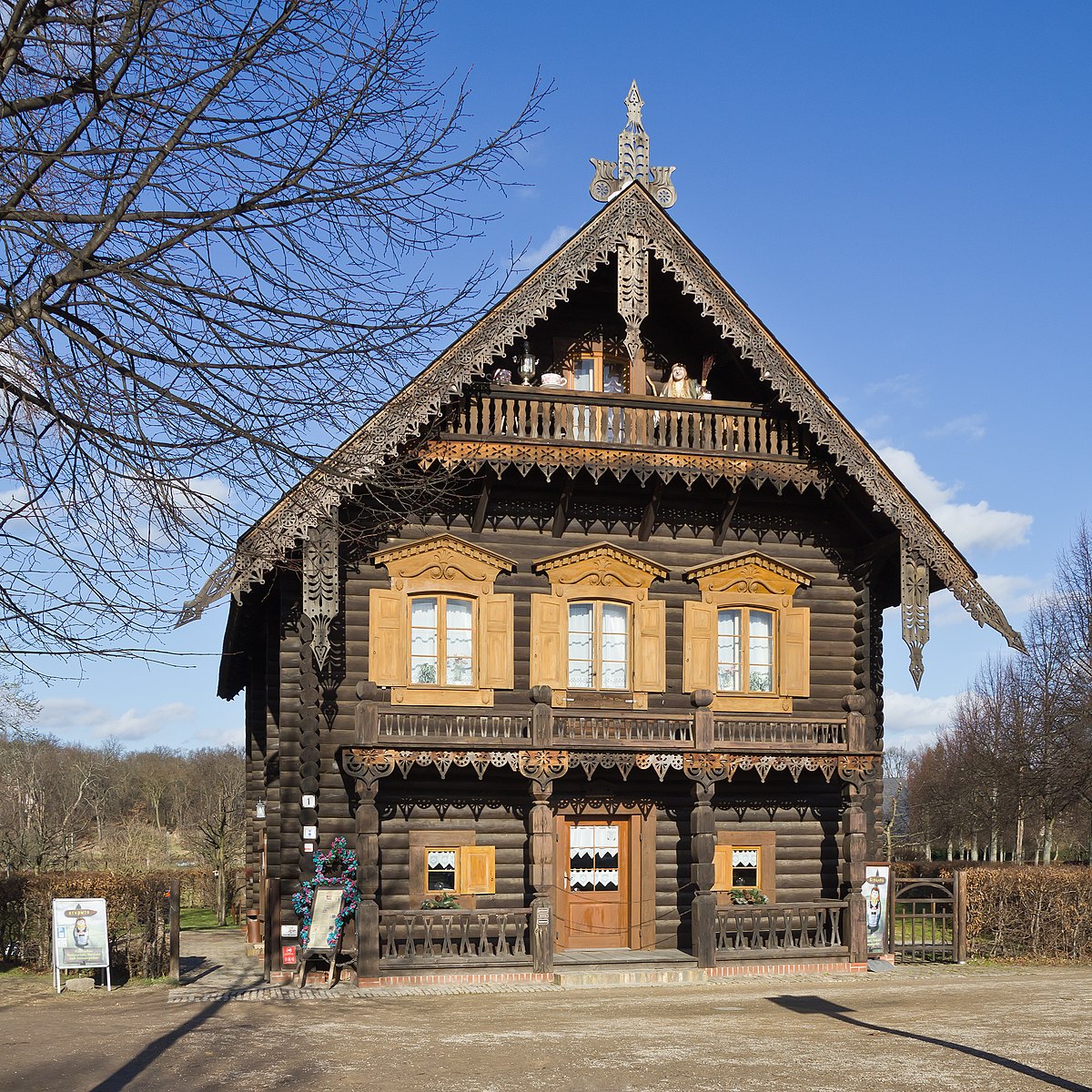
Alexandrowka
📍 Brandenburg, Germany
Located in the picturesque city of Potsdam, Germany, Alexandrowka is an intriguing architectural ensemble that reflects a unique blend of Russian and …

Alhauser Hammer
📍 North Rhine-Westphalia, Germany
Alhauser Hammer is a remarkable architectural ensemble located in Ennepetal, Germany, known for its historical significance as a water-driven hammer …

Alsdorfer Ölmühle
📍 North Rhine-Westphalia, Germany
The Alsdorfer Ölmühle, an architectural ensemble located in the heart of Alsdorf, Germany, is a remarkable example of a traditional watermill that …