
Roman Baths
Overview
The Roman Baths, located in the scenic Brandenburger Vorstadt region of Potsdam, Germany, represent a fascinating blend of architectural elegance and historical intrigue. Situated to the north-east of Charlottenhof Palace in Sanssouci Park, this architectural ensemble is a key point of interest for visitors looking to delve into the cultural heritage of the area. This site invites exploration not only for its aesthetic values but also for its role in the historical narrative of the region, reflecting the interplay between nature and architecture.
As you approach the Roman Baths, you’ll find yourself surrounded by the lush landscapes of Sanssouci Park, a UNESCO World Heritage Site known for its exquisite gardens and palatial structures. The Roman Baths stand out as a unique example of neoclassical architecture, drawing inspiration from ancient Roman designs that symbolize luxury and leisure. Visitors are promised a captivating experience that transcends mere sightseeing, engaging the imagination through the stories and artistry encapsulated within these walls.
History and Significance
The Roman Baths in Potsdam were constructed during a significant period in German architectural history, with their creation reflecting a broader European fascination with ancient Roman culture and aesthetics. Although specific dates of construction may not be detailed, the Baths were designed to evoke the grandeur and elegance associated with Roman bathing practices, a symbol of relaxation and social interaction in ancient times.
The architectural ensemble serves not only as a recreational facility but also as a cultural landmark. It was conceived during a time when the Prussian court sought to emulate classical ideals, evident in the grand designs of the neighboring Charlottenhof Palace and other structures within Sanssouci Park. The influence of classical architecture in this region is a testament to the Enlightenment ideals that shaped much of Europe in the 18th century, emphasizing reason, beauty, and the importance of nature in human life.
The Roman Baths also play a significant role in the broader narrative of Potsdam as a center of art and culture. They are part of a complex that includes other notable sites, contributing to the rich cultural landscape of the area. This architectural ensemble not only attracts visitors for its beauty but also serves as a reminder of the era’s values and the pursuit of harmony between man-made structures and the natural environment.
Architecture and Features
The design of the Roman Baths reflects the principles of neoclassical architecture, characterized by clean lines, symmetry, and the use of columns that hark back to ancient Rome. The ensemble is carefully integrated into the picturesque landscape of Sanssouci Park, with its aesthetic appeal heightened by the surrounding greenery and water features.
Key architectural features include the use of expansive terraces, elegant colonnades, and intricate stonework that evoke the grandeur of Roman baths. The layout is designed to facilitate both leisure and social interaction, with spaces that invite visitors to linger and appreciate the surroundings. The interplay of light and shadow within the structure adds to its charm, creating atmospheric settings that are perfect for contemplation.
The materials used in the construction of the Roman Baths are also noteworthy, with traditional stonework that enhances the authenticity of the design. The attention to detail in the features, from the ornamental elements to the functional spaces, reflects the high standards of craftsmanship prevalent during the time of its creation.
Visiting Information
To reach the Roman Baths, visitors can use various modes of transport available in Potsdam. Public transport options, including buses and trams, are accessible from the city center, making it easy to plan a visit. The Baths are located within the expansive grounds of Sanssouci Park, which offers a wealth of walking paths and scenic routes.
Check the official website for current information regarding hours and prices, as these details can vary seasonally and may change. It is advisable to allocate at least an hour for your visit to fully appreciate the Baths and their surroundings. The best times to visit tend to be during the shoulder seasons of spring and fall when the weather is mild, and the park is less crowded.
Visitors are encouraged to wear comfortable clothing and shoes suitable for walking, as the park grounds can be expansive and require some exploration. As you wander through the area, be prepared to encounter other attractions, gardens, and historical landmarks, making the visit a comprehensive cultural experience.
Nearby Attractions
Charlottenhof Palace: This neoclassical palace is a short walk from the Roman Baths and offers insights into royal life during the Prussian era. The beautiful gardens and intricate interiors are well worth exploring.
Sanssouci Palace: Just a stone’s throw away, Sanssouci Palace is a highlight of Potsdam, known for its stunning architecture and beautifully landscaped gardens. It serves as a magnificent example of Rococo style.
New Palace: This grand palace, located at the western end of Sanssouci Park, showcases the opulence of the late Baroque period and features impressive halls and art collections.
Orangerie Palace: An elegant structure in the park, the Orangerie is known for its stunning architecture and beautiful gardens, making it a perfect stop for a leisurely stroll.
Potsdam’s Dutch Quarter: A charming area characterized by its red-brick buildings and quaint shops, the Dutch Quarter offers a different perspective on Potsdam’s architectural diversity and cultural heritage.
Insider Tips
For the best photography opportunities, consider visiting the Roman Baths during the golden hour—shortly after sunrise or before sunset—when the light casts a warm glow over the structure. Early mornings or late afternoons are also ideal for avoiding the larger crowds that typically gather during the day.
Be mindful of peak tourist seasons, especially during summer weekends, when the park can become quite busy. Visiting on weekdays or during off-peak months typically results in a quieter experience, allowing for more intimate exploration of the site.
Practical Information
When planning your visit to the Roman Baths, it’s advisable to bring a few essentials. Comfortable walking shoes are recommended due to the park’s expansive nature, as well as a refillable water bottle, especially on warmer days. A light jacket may be useful during cooler months or evenings.
Seasonal considerations are important when planning your visit. The park is beautiful year-round, but spring and fall offer particularly pleasant weather and vibrant scenery. Be aware that the site may have altered hours during public holidays or special events, so checking the official website prior to your visit is a wise decision.
Frequently Asked Questions
How long should I spend visiting?
A visit to the Roman Baths typically takes about one hour, allowing time to explore the site and enjoy the surrounding park.
Is photography allowed?
Yes, photography is generally allowed, but be respectful of other visitors and any signage regarding photography restrictions.
Are there guided tours?
Guided tours may be available; check the official website for more information on tour options and schedules.
What’s the best time to visit?
The best times to visit are during the shoulder seasons of spring and fall, when the weather is pleasant and the park is less crowded.
Is it wheelchair accessible?
The Roman Baths and the surrounding park are designed to be accessible, but specific access points may vary; it’s advisable to check the official website for detailed accessibility information.
Can I buy tickets online?
Online ticket purchasing options may be available. Check the official website for current ticketing options and pricing.
Are there restrooms and cafes?
Facilities such as restrooms and nearby cafes are typically available within the park, but it’s a good idea to check the specific amenities listed on the official website.
What should I wear?
Comfortable clothing and sturdy walking shoes are recommended, as you will be exploring the park and its various attractions.
More in Brandenburg
Agnetenkloster
📍 Brandenburg, Germany
Agnetenkloster, a former monastery located in the heart of Magdeburg, Germany, invites visitors to explore its serene ambiance and historical …

Agroneum
📍 Brandenburg, Germany
Agroneum is a museum located in the serene landscape of Alt Schwerin, Germany. This establishment serves as a vibrant hub for those interested in the …

Alexander Nevsky Memorial Church
📍 Brandenburg, Germany
The Alexander Nevsky Memorial Church in Potsdam, Germany, offers visitors a unique glimpse into the city’s cultural and religious heritage. This …
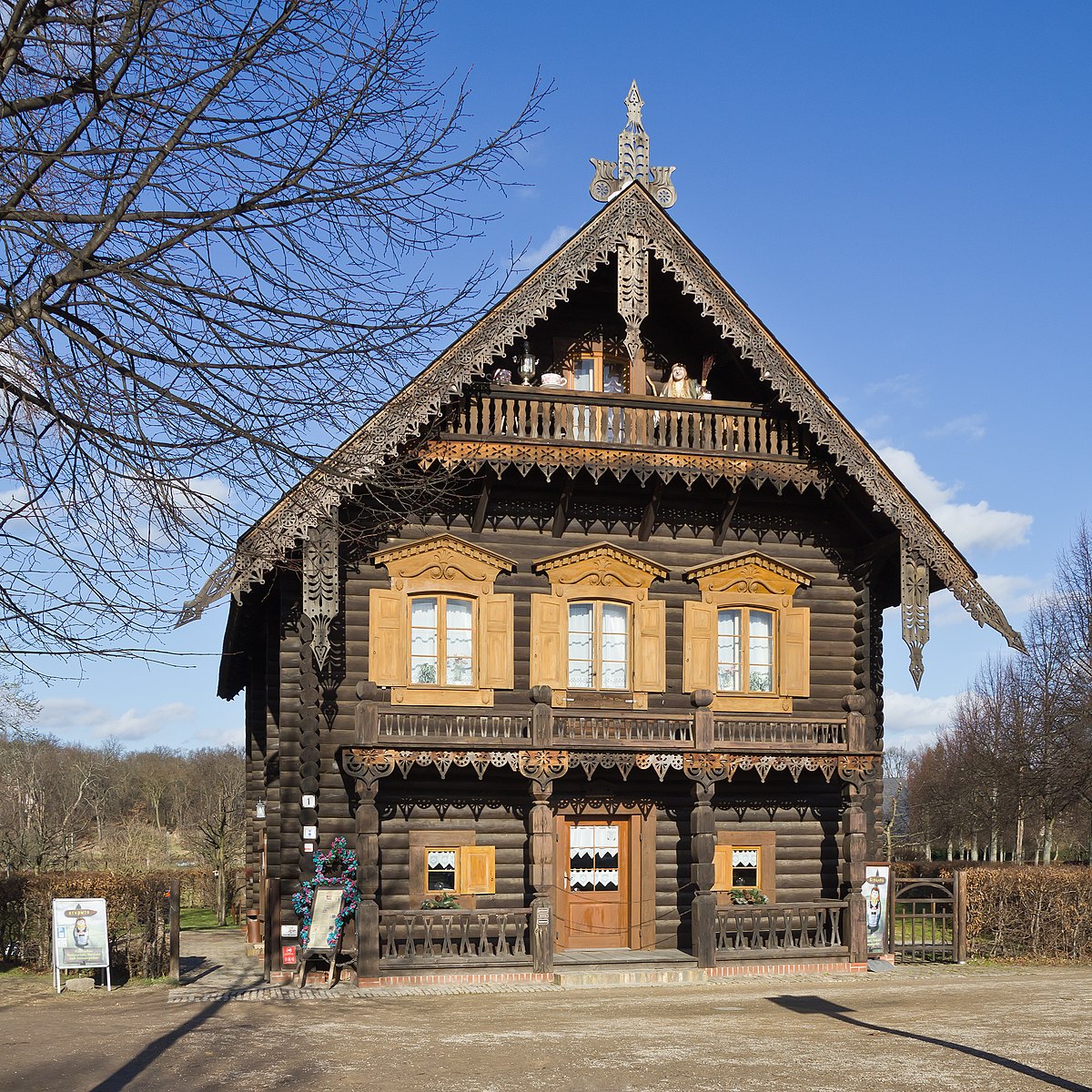
Alexandrowka
📍 Brandenburg, Germany
Located in the picturesque city of Potsdam, Germany, Alexandrowka is an intriguing architectural ensemble that reflects a unique blend of Russian and …

Alte Burg Penzlin
📍 Brandenburg, Germany
Alte Burg Penzlin, a captivating castle located in the quaint town of Penzlin, Germany, serves as a remarkable example of medieval architecture and …

Alte Dorfkirche Röxe
📍 Brandenburg, Germany
The Alte Dorfkirche Röxe stands as a poignant symbol of architectural and cultural history in the Stendal region of Germany. This church building, …
More Architectural Ensembles

144., 176. und 184. Gemeindeschule
📍 Berlin, Germany
The 144., 176. und 184. Gemeindeschule, an architectural ensemble located in the vibrant city of Berlin, stands as a noteworthy example of educational …

Adelheidstraße 3–7, 9–12, 12a, 14, 15, 22–31, Amelungstraße 1, Friedrich-Ebert-Platz
📍 Lower Saxony, Germany
In the heart of Quedlinburg, Germany, lies a captivating architectural ensemble that reflects the town’s historical significance and cultural …

Aegidiimarkt
📍 Lower Saxony, Germany
Aegidiimarkt is a captivating architectural ensemble located in the heart of Münster, Germany. This vibrant square not only serves as a hub for local …
Alexandrowka
📍 Brandenburg, Germany
Located in the picturesque city of Potsdam, Germany, Alexandrowka is an intriguing architectural ensemble that reflects a unique blend of Russian and …

Alhauser Hammer
📍 North Rhine-Westphalia, Germany
Alhauser Hammer is a remarkable architectural ensemble located in Ennepetal, Germany, known for its historical significance as a water-driven hammer …

Alsdorfer Ölmühle
📍 North Rhine-Westphalia, Germany
The Alsdorfer Ölmühle, an architectural ensemble located in the heart of Alsdorf, Germany, is a remarkable example of a traditional watermill that …