
Römerschanze bei Potsdam
Overview
Römerschanze bei Potsdam invites visitors to explore the remnants of a historic hillfort, steeped in the echoes of ancient civilization. Located in the vicinity of Sacrow, a district of Potsdam, Germany, this archaeological site offers a glimpse into the strategic military architecture of the region. The hillfort’s elevated position once provided a vantage point for observing the surrounding landscape, highlighting its significance in historical defense systems. Today, it stands as a silent witness to the past, offering a unique opportunity for those interested in heritage and archaeology.
Potsdam, known for its palaces and gardens, is not far from Berlin, making Römerschanze an accessible destination for history enthusiasts. Visitors can engage with the site’s history while enjoying the natural beauty of the surrounding area. The site serves as a reminder of the complex social structures and military strategies of the time, attracting those who appreciate ancient architecture and historical narratives.
History and Significance
The origins of Römerschanze bei Potsdam are linked to the broader context of hillforts that dotted the landscape of Europe, particularly during periods of tribal warfare and territorial disputes. These structures were strategically located to provide defense against invaders and to serve as a gathering place for local tribes. While specific dates and detailed historical events related to Römerschanze are not available, the site reflects the cultural importance of fortified settlements in ancient Germanic societies.
The hillfort likely played a role in the socio-political dynamics of its time, serving as a focal point for communities residing in the area. Such fortifications were essential not only for defense but also for the establishment of trade routes and social interaction among different tribes. This aspect of hillforts underscores their significance in the development of early European societies, marking a transition from nomadic lifestyles to more settled, community-oriented living.
As archaeological interest in the region grows, so too does the understanding of the hillfort’s role in shaping local history. Römerschanze provides a platform for research and exploration, allowing historians and visitors alike to ponder the lifestyles and challenges faced by those who once inhabited these lands. The site serves as a reminder of the complexities of early settlement patterns and the enduring legacies of such structures in modern cultural identity.
Architecture and Features
Römerschanze bei Potsdam is characterized by its defensive architecture typical of hillforts from ancient periods. The hillfort’s construction reflects the practical needs of its time, where elevated positions provided strategic advantages in surveillance and defense. While specific architectural details may not be readily available, hillforts generally feature earthworks, such as ramparts and ditches, designed to deter attacks and protect inhabitants.
Visitors to Römerschanze can expect to see remnants of these earthworks, which may include the outlines of walls that once enclosed the settlement. The layout of such hillforts often incorporates a central area where communal activities would have taken place, surrounded by fortifications. The design emphasizes not only defense but also the social aspects of life within the settlement.
The location itself enhances the experience, as the hillfort is set against a backdrop of natural surroundings. This combination of human-made structures and the landscape creates a sense of connection to the past, inviting contemplation of the human endeavor in constructing such formidable defenses in a challenging environment. Exploring the site allows for an appreciation of the ingenuity and resilience of early communities.
Visiting Information
Römerschanze bei Potsdam can be accessed easily from the city center of Potsdam, making it a convenient stop for visitors looking to delve into the region’s history. Public transportation options are available, including local buses that connect to various parts of Potsdam. The coordinates for the site are 52.4417302, 13.0624219, helping visitors navigate to this historical location.
Check the official website for current information regarding opening hours and any potential entry fees. The site does not require extensive time for exploration; a visit can typically be completed in about one to two hours. However, for those who wish to immerse themselves in the history and enjoy the surrounding area, longer visits are encouraged.
The best times to visit Römerschanze are during the spring and fall when the weather is mild, and the natural surroundings are particularly pleasant. The site is less crowded during weekdays, offering a more tranquil experience for those wishing to reflect on the historical significance of the hillfort.
Nearby Attractions
While visiting Römerschanze bei Potsdam, there are several nearby attractions worth exploring:
- Sanssouci Palace: A UNESCO World Heritage Site, this former summer palace of Frederick the Great is renowned for its stunning gardens and baroque architecture.
- New Palace (Neues Palais): A magnificent example of Prussian architecture, this palace hosts a variety of exhibitions and is surrounded by beautiful parks.
- Sacrower See: A serene lake located near the site, perfect for a leisurely walk or a picnic amidst nature.
- Biosphäre Potsdam: An indoor tropical garden offering a unique ecosystem experience, featuring exotic plants and animals.
- Filmmuseum Potsdam: A museum dedicated to the film industry, showcasing the history of cinema and the significance of the Babelsberg studio.
These attractions provide a well-rounded experience of the region, offering insights into both its natural beauty and cultural heritage.
Insider Tips
When visiting Römerschanze, consider bringing a camera to capture the site’s unique features. Early mornings or late afternoons are ideal for photography, as the light can create dramatic shadows and enhance the contours of the hillfort.
As the site may attract fewer visitors during weekdays, planning your visit during this time can provide a more peaceful experience for contemplation and exploration. Additionally, ensure you wear comfortable footwear, as exploring the hillfort may involve walking on uneven terrain.
Practical Information
When preparing for your visit to Römerschanze, it is advisable to bring water and snacks, as amenities may be limited at the site. Dress in layers to accommodate changing weather conditions, especially if you plan to spend time outdoors.
Seasonal considerations are essential; spring and fall offer the most pleasant weather for outdoor exploration. In contrast, summer may bring larger crowds, and winter conditions can affect accessibility and comfort.
Frequently Asked Questions
How long should I spend visiting?
A visit typically takes about one to two hours, but longer stays are encouraged for deeper exploration.
Is photography allowed?
Yes, photography is permitted, making it a great opportunity to capture the site’s historical features.
Are there guided tours?
Information on guided tours may vary; check the official website for updates on available options.
What’s the best time to visit?
The best times to visit are during spring and fall when the weather is milder, and crowds are thinner.
Is it wheelchair accessible?
Check the official website for specific accessibility information, as conditions may vary.
Can I buy tickets online?
Please check the official website for current information regarding ticket purchasing options.
Are there restrooms and cafes?
Facilities may be limited; confirm availability through the official website before your visit.
What should I wear?
Wear comfortable clothing and sturdy shoes suitable for outdoor exploration, and dress in layers for variable weather conditions.
More in Brandenburg
Agnetenkloster
📍 Brandenburg, Germany
Agnetenkloster, a former monastery located in the heart of Magdeburg, Germany, invites visitors to explore its serene ambiance and historical …

Agroneum
📍 Brandenburg, Germany
Agroneum is a museum located in the serene landscape of Alt Schwerin, Germany. This establishment serves as a vibrant hub for those interested in the …

Alexander Nevsky Memorial Church
📍 Brandenburg, Germany
The Alexander Nevsky Memorial Church in Potsdam, Germany, offers visitors a unique glimpse into the city’s cultural and religious heritage. This …
Alexandrowka
📍 Brandenburg, Germany
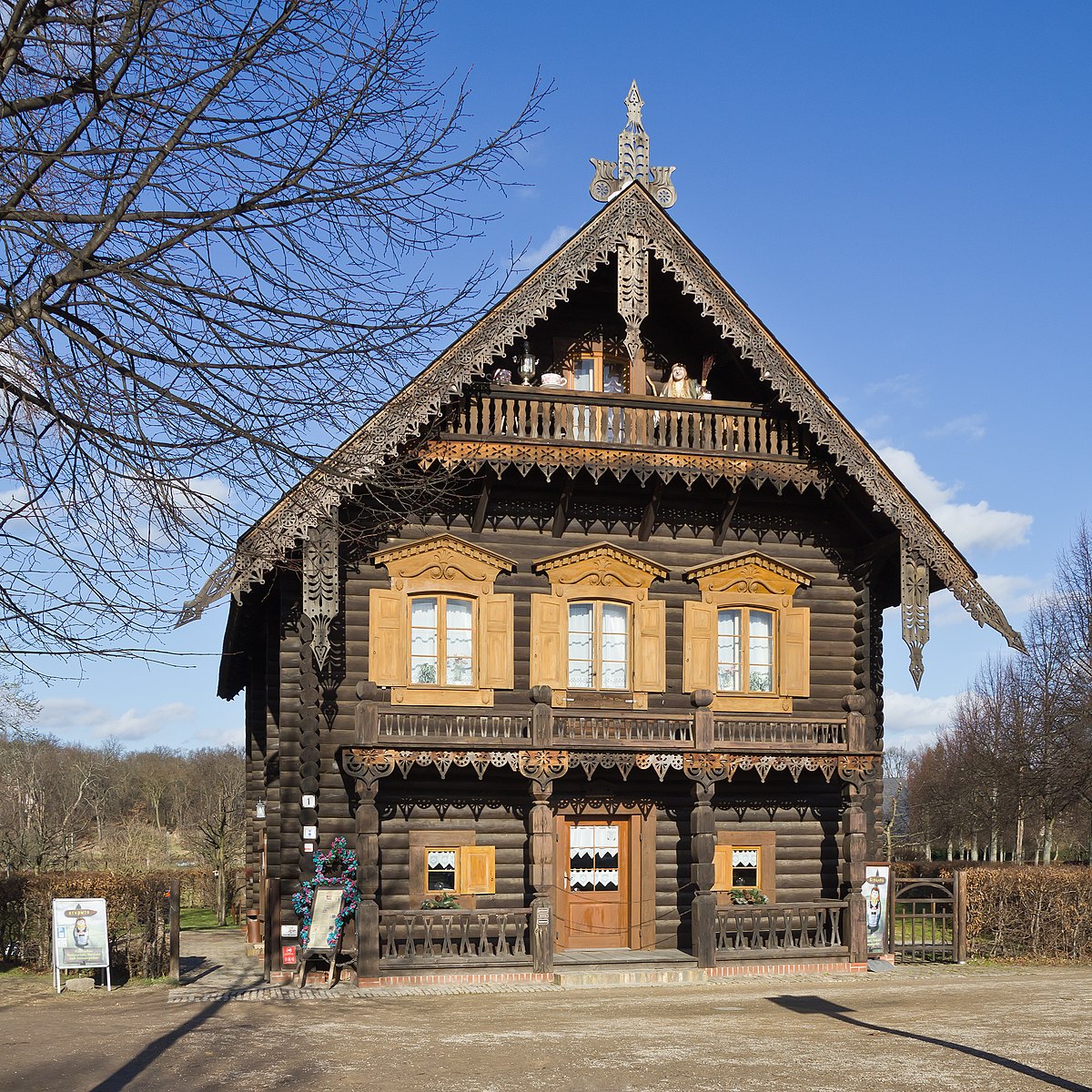
Located in the picturesque city of Potsdam, Germany, Alexandrowka is an intriguing architectural ensemble that reflects a unique blend of Russian and …

Alte Burg Penzlin
📍 Brandenburg, Germany
Alte Burg Penzlin, a captivating castle located in the quaint town of Penzlin, Germany, serves as a remarkable example of medieval architecture and …

Alte Dorfkirche Röxe
📍 Brandenburg, Germany
The Alte Dorfkirche Röxe stands as a poignant symbol of architectural and cultural history in the Stendal region of Germany. This church building, …
More Hillforts

Burg Esesfeld
📍 Lower Saxony, Germany
Burg Esesfeld is a historically significant hillfort located in the Itzehoe region of Germany. This ancient structure provides insights into the …

Burgwall Bärwalde
📍 Brandenburg, Germany
Burgwall Bärwalde represents a significant archaeological site in Brandenburg, Germany, embodying the enduring legacy of ancient cultures. This …

Burgwall Feldberg
📍 Brandenburg, Germany
Burgwall Feldberg is an intriguing hillfort located in the scenic Feldberger Seenlandschaft region of Germany. This archaeological site offers a …

Burgwall Glienke
📍 Brandenburg, Germany
Burgwall Glienke, a notable hillfort located in the Friedland region of Germany, offers a glimpse into the ancient past of human settlement and …

Burgwall Hühnerwinkel
📍 Brandenburg, Germany
Burgwall Hühnerwinkel is an intriguing hillfort located in the Löcknitz region of Germany, offering visitors a unique glimpse into ancient …

Burgwall Hungerstorf
📍 Mecklenburg-Vorpommern, Germany
Burgwall Hungerstorf is an intriguing hillfort located in the Faulenrost region of Germany. This ancient structure invites visitors to explore its …