Römerberg
Overview
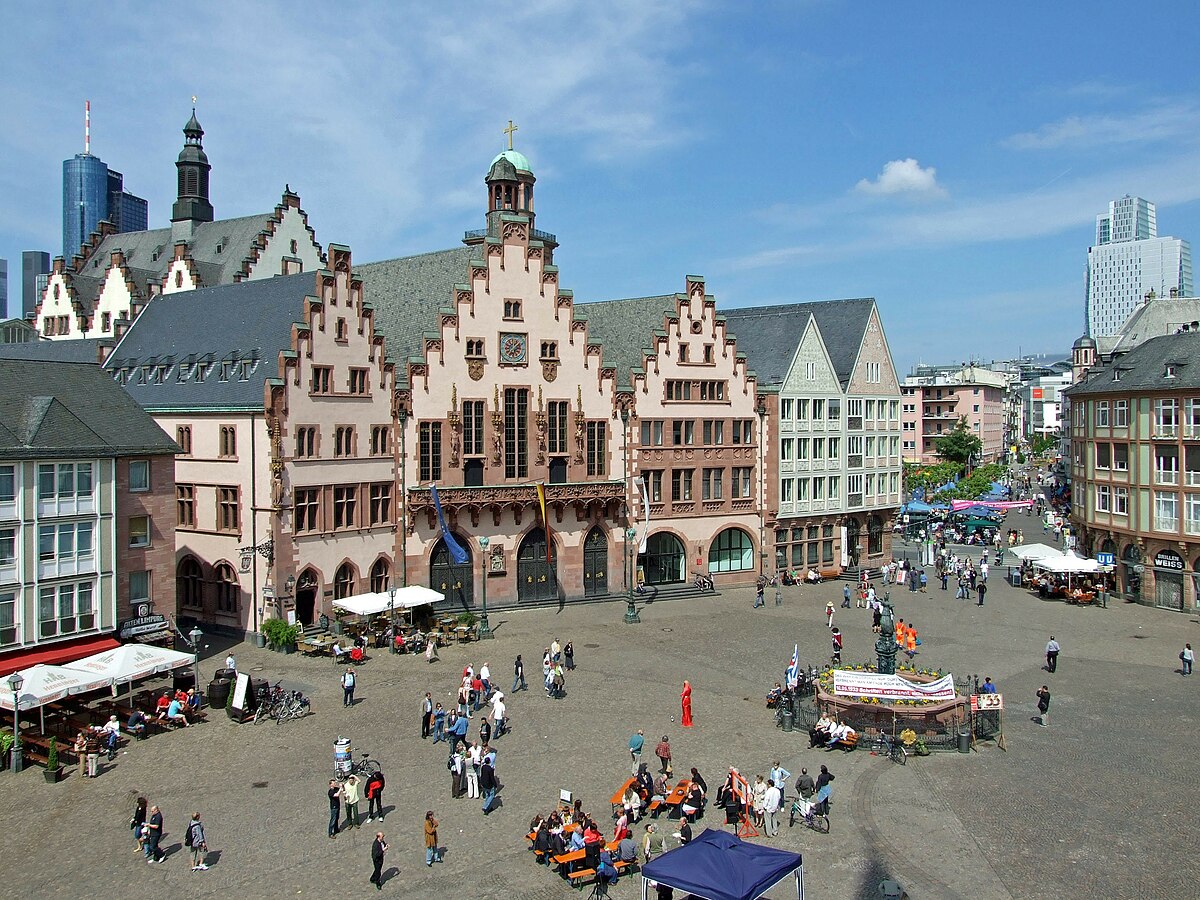
Römerberg is more than just a square; it is the very heart of Frankfurt, Germany, pulsating with history and culture. Located in the city’s Old Town, this square is surrounded by remarkable architecture and serves as a vibrant gathering place for locals and visitors alike. Its significance stretches beyond mere aesthetics, as Römerberg has been the site of many historical events and communal activities, making it a focal point of Frankfurt’s civic life.
The square is easily accessible, offering a gateway to explore the rich tapestry of the city’s heritage. With its picturesque surroundings, Römerberg promises an engaging experience, whether you are interested in history, architecture, or simply enjoying the lively atmosphere that characterizes this iconic location.
History and Significance
Römerberg has played a pivotal role in Frankfurt’s development throughout the centuries. As the main public square of the city, it has been the setting for numerous market activities and public gatherings, reflecting the social and cultural evolution of Frankfurt. It is here that significant events occurred, including festivals, fairs, and public proclamations, which have shaped the identity of the city.
The square’s prominence dates back to the Middle Ages when it served as a central marketplace. The name Römerberg, translating to “Roman Mountain,” alludes to its historical importance as a gathering point for traders and citizens alike. The surrounding buildings illustrate the architectural styles prevalent over the centuries, and the square continues to be a site of communal celebration, especially during festive seasons.
Culturally, Römerberg is not just a physical space; it is a symbol of Frankfurt’s resilience. It has witnessed the trials and triumphs of the city, making it an essential part of the narrative of Frankfurt. The square remains a vibrant hub, where the past and present converge.
Architecture and Features
The architecture surrounding Römerberg is a stunning representation of various styles, showcasing the evolution of Frankfurt’s design ethos. Although much of the original medieval architecture was destroyed during World War II, significant efforts have been made to restore the area to its former glory.
One of the most notable features is the Römer, the city hall of Frankfurt, which has been in use since the 14th century. Its distinctive façade, characterized by stepped gables and ornamental details, captures the essence of medieval architecture. The Römer serves as a backdrop to the square, adding to the overall charm of the area.
The square is also lined with other remarkable buildings, including the ornate façades of the surrounding guild houses. The iconic Gothic-style Alte Nikolaikirche (Old St. Nicholas Church) stands proudly at one end of the square, contributing to the historic atmosphere of Römerberg. The careful restoration of these structures has ensured that the area retains its historical significance while offering a glimpse into the architectural styles of bygone eras.
In addition to its architectural beauty, Römerberg is often bustling with activity. Street performers, markets, and various events frequently fill the square, creating an inviting atmosphere for both residents and tourists.
Visiting Information
Reaching Römerberg is convenient, as it is centrally located in Frankfurt. The area is well-served by public transportation, including trams and buses. For those coming by train, Frankfurt’s main station is a short ride away.
Upon visiting, you can expect a lively environment, especially during weekends and public events. The square can be enjoyed in a relatively short time, but to fully appreciate the surroundings and soak in the atmosphere, it is recommended to spend at least an hour or two here.
While exploring, be sure to check the official website for current information on any events or activities taking place in the square. This will help you plan your visit accordingly and ensure you don’t miss out on any special occasions.
The best time to visit Römerberg is during the spring and summer months when the weather is pleasant, and outdoor activities are in full swing. However, the square also has its own charm during the winter, particularly when festive markets are in operation.
Nearby Attractions
Römerberg is ideally situated near several attractions that enhance the experience of visiting Frankfurt:
Frankfurt Cathedral (Kaiserdom Sankt Bartholomeus): A short walk from Römerberg, this iconic cathedral is known for its stunning Gothic architecture and rich history.
Städel Museum: Located nearby, this museum houses an impressive collection of artworks spanning seven centuries, making it a must-visit for art enthusiasts.
Palmengarten: A little further out, this botanical garden offers a serene escape from the bustling city, showcasing a variety of plant species in beautifully landscaped surroundings.
Museumsufer (Museum Embankment): This area along the River Main is home to numerous museums, including the German Film Museum and the Museum of World Cultures, perfect for those interested in cultural exploration.
Eiserner Steg (Iron Bridge): A pedestrian bridge that connects Römerberg to Sachsenhausen, known for its picturesque views of the Frankfurt skyline and the river.
Insider Tips
For photography enthusiasts, capturing Römerberg at sunrise or sunset can yield stunning results, as the light casts a warm glow on the historic buildings. Early mornings are also a good time to visit if you prefer a quieter experience, as the square tends to be less crowded.
To avoid the hustle and bustle, consider visiting during weekdays rather than weekends, particularly if there are no special events planned. This will allow you to appreciate the architecture and atmosphere without the distractions of large crowds.
Practical Information
When visiting Römerberg, it is advisable to wear comfortable footwear, as you will likely be walking on cobblestone streets. Weather can vary, so checking the forecast beforehand is recommended. If you plan to stay for an extended period, consider bringing a light jacket, especially in the evenings.
During festive seasons, such as Christmas, the square is transformed with decorations and markets, providing a unique experience. Be prepared for an influx of visitors during these times, which can enhance the lively atmosphere but may also result in larger crowds.
Frequently Asked Questions
How long should I spend visiting?
It is recommended to spend at least one to two hours at Römerberg to fully enjoy the atmosphere and explore the surrounding area.
Is photography allowed?
Yes, photography is generally permitted in Römerberg, allowing you to capture the stunning architecture and vibrant atmosphere.
Are there guided tours?
While specific guided tours may not be offered directly at Römerberg, many local tour companies provide walking tours that include the square as part of their itinerary.
What’s the best time to visit?
The best times to visit Römerberg are during the spring and summer months. However, winter visits can be rewarding during festive markets.
Is it wheelchair accessible?
The square is typically accessible; however, the cobblestone streets may present some challenges. It is advisable to check specific access points.
Can I buy tickets online?
There are no entrance fees for Römerberg itself, but check the official website for any events that may require tickets.
Are there restrooms and cafes?
While there are no restrooms in the square, nearby cafes and establishments usually provide facilities for patrons.
What should I wear?
Comfortable clothing and footwear are recommended, especially if you plan to explore the surrounding areas. Be prepared for changing weather conditions.
More in Hesse

Abri IX
📍 Hesse, Germany
Abri IX is an archaeological site located in Gleichen, Germany, that captures the essence of human history through its fascinating remnants. This site …

Ackerbürgermuseum Haus Leck
📍 Hesse, Germany
Ackerbürgermuseum Haus Leck is a culturally significant museum located in Germany’s Grebenstein region, dedicated to preserving and showcasing the …

Actien-Brauerei Homburg v. d. Höhe
📍 Hesse, Germany
Actien-Brauerei Homburg v. d. Höhe is a significant historical brewery located in Bad Homburg vor der Höhe, Germany. This former brewery is a …

Active Museum Spiegelgasse
📍 Hesse, Germany
Active Museum Spiegelgasse is a vital institution dedicated to preserving and exploring the German-Jewish history of Wiesbaden, Germany. Located in …

Adornodenkmal
📍 Hesse, Germany
Adornodenkmal, a prominent monument located in Frankfurt am Main, Germany, serves as a significant cultural landmark that encapsulates the spirit of …
Affentor
📍 Hesse, Germany
Affentor, the southernmost of the medieval city gates of Frankfurt am Main, serves as a historical marker of the city’s rich past and architectural …
More Squares

Adolphsplatz
📍 Hamburg, Germany
Adolphsplatz is an intriguing square located in the heart of Hamburg-Mitte, Germany’s vibrant and historic urban center. This urban space serves as a …
Ahrweilerplatz
📍 North Rhine-Westphalia, Germany
Ahrweilerplatz is a public square situated in the heart of Düren, Germany. This vibrant space serves as a central hub for both locals and visitors, …

Alexanderplatz
📍 Berlin, Germany
Located in the heart of Berlin, Alexanderplatz is a vibrant square that serves as a vital hub for both locals and tourists. This bustling area, rich …

Alter Markt
📍 Brandenburg, Germany
Alter Markt is a historic square located in the heart of Potsdam, Germany. This vibrant public space serves as a focal point for both locals and …

Altstadtmarkt
📍 Lower Saxony, Germany
Altstadtmarkt, a prominent public square located in the heart of Brunswick, Germany, serves as a vibrant gathering place that reflects the city’s …

Am Hauptbahnhof
📍 Hesse, Germany
Am Hauptbahnhof is a vibrant square situated in the heart of Frankfurt am Main, Germany. This bustling area serves as a crucial hub for both locals …