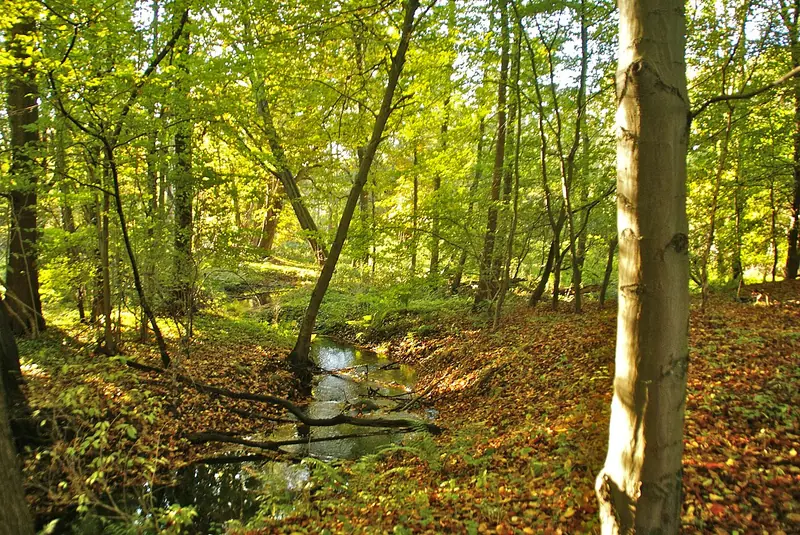
Overview
Rodenbeker Quellental is a captivating nature reserve located in Hamburg, Germany, that offers visitors a serene escape from the bustling city environment. This verdant area is characterized by its lush landscapes, diverse flora, and tranquil waterways, making it an ideal spot for nature enthusiasts and those seeking relaxation. The reserve serves not only as a sanctuary for various wildlife species but also as an important ecological site that contributes to the overall health of the urban ecosystem.
The geographical setting of Rodenbeker Quellental allows for a unique blend of natural beauty and environmental significance. As one of Hamburg’s prominent green spaces, it plays a vital role in promoting biodiversity within the city, providing habitats for numerous plants and animals. With its winding paths and tranquil scenery, Rodenbeker Quellental invites visitors to explore its natural wonders, fostering a deeper appreciation for the environment.
This reserve is a testament to the importance of preserving natural habitats amid urban development, encouraging locals and tourists alike to enjoy and protect the natural world.
History and Significance
While specific historical dates may be elusive, Rodenbeker Quellental has long been recognized for its ecological importance. The reserve is primarily known for its springs, which contribute to the water system in the region, emphasizing the significance of water conservation in urban areas. As urbanization has increased in Hamburg, the preservation of natural spaces like Rodenbeker Quellental has become essential for maintaining biodiversity and ecological balance.
The area around Rodenbeker Quellental has historically been used for various purposes, including agriculture and recreation, which has shaped its current landscape. The establishment of the reserve reflects a growing commitment to environmental conservation and the understanding of the need for green spaces within urban settings. The reserve not only protects local flora and fauna but also serves as a vital educational resource for schools and community groups, raising awareness about ecological issues and the importance of maintaining natural habitats.
Rodenbeker Quellental’s cultural significance is also evident in its role as a recreational space for residents of Hamburg. The nature reserve provides a peaceful retreat where individuals can engage in outdoor activities such as walking, jogging, and birdwatching, fostering a connection between the community and the natural environment. This connection enhances the quality of life for city residents and promotes a culture of environmental stewardship.
Architecture and Features
Rodenbeker Quellental is predominantly characterized by its natural features rather than man-made structures. The reserve is distinguished by its extensive greenery, which includes a variety of trees, shrubs, and wildflowers that change with the seasons. The diverse ecosystems within the reserve support a range of wildlife, making it an attractive destination for nature lovers and those interested in ecology.
One of the notable features of Rodenbeker Quellental is its network of well-maintained walking paths that meander through the landscape, offering visitors the opportunity to explore the reserve at their own pace. These paths are designed to minimize the impact on the natural environment while providing access to the scenic beauty of the area. The tranquil springs that flow through the reserve are another highlight, showcasing the natural water sources that are crucial for the local ecosystem.
The reserve’s design emphasizes the importance of conservation, with areas set aside to protect sensitive habitats and promote biodiversity. Visitors can expect to encounter a peaceful ambiance, punctuated by the sounds of birds and rustling leaves, creating an immersive experience in nature.
Visiting Information
Rodenbeker Quellental is easily accessible by various modes of transportation, making it a convenient destination for both locals and tourists. Check the official website for current information regarding hours and any potential entrance fees. Once there, visitors can expect to spend a few hours enjoying the scenic beauty and tranquility of the reserve.
The best times to visit are during the spring and summer months when the flora is in full bloom, and wildlife is particularly active. Early mornings and late afternoons are ideal for avoiding crowds and experiencing the reserve in a more serene setting.
Visitors should come prepared for outdoor activities, including comfortable walking shoes and weather-appropriate clothing. The reserve’s paths are suitable for leisurely strolls and more vigorous walks, catering to a range of fitness levels.
Nearby Attractions
While exploring Rodenbeker Quellental, consider visiting these nearby attractions:
- Landschaftspark Hamburg: A nearby green space that offers additional walking paths and recreational areas.
- Hamburg Botanical Gardens: A short distance away, these gardens showcase a variety of plant species and provide educational exhibits on horticulture.
- Wandsbek Market: A local market where visitors can experience the local culture through food and crafts.
- Alster Lakes: A scenic area in Hamburg perfect for walking, picnicking, and enjoying water activities.
Insider Tips
For photography enthusiasts, early mornings or late afternoons provide the best natural light for capturing the beauty of Rodenbeker Quellental. The soft glow of sunrise or sunset can enhance your photos of the reserve’s landscapes. To avoid the crowds, consider visiting on weekdays rather than weekends, as the reserve can become busier with local visitors.
Practical Information
When preparing for your visit to Rodenbeker Quellental, it is essential to bring items such as water, snacks, and a camera to capture the reserve’s natural beauty. Given the outdoor nature of the reserve, wear comfortable clothing and sturdy footwear suitable for walking. Seasonal considerations also play a role in your visit; during the warmer months, sunscreen and insect repellent are advisable, while cooler months might necessitate warmer clothing.
Frequently Asked Questions
How long should I spend visiting?
A visit typically lasts between two to four hours, depending on your interest in walking and exploring the area.
Is photography allowed?
Yes, photography is allowed and encouraged, particularly to capture the natural beauty of the landscapes and wildlife.
Are there guided tours?
Check the official website for information on any available guided tours or educational programs.
What’s the best time to visit?
Spring and summer are ideal for experiencing the reserve’s vibrant flora and active wildlife.
Is it wheelchair accessible?
While some paths may be accessible, check the official website for specific details on wheelchair accessibility throughout the reserve.
Can I buy tickets online?
Check the official website for current information regarding any entrance fees and ticket purchasing options.
Are there restrooms and cafes?
Check the official website for details about facilities available at the reserve.
What should I wear?
Wear comfortable clothing and sturdy shoes suitable for walking, and consider layering for changing weather conditions.



