
Rittergut Voldagsen
Overview
Rittergut Voldagsen, an architectural ensemble located in the picturesque region of Coppenbrügge in Lower Saxony, Germany, serves as a captivating example of Neorenaissance design in a rural setting. This complex, which includes a stately manor house, reflects the agricultural heritage and historical significance of its surroundings, illustrating the evolution of rural architecture over the centuries. The charm of this site lies not only in its aesthetic appeal but also in its cultural importance, drawing visitors who appreciate both history and artistry.
As you explore the site, you will find yourself immersed in the pastoral beauty of the area, where the serenity of the countryside complements the grandeur of the architectural ensemble. Rittergut Voldagsen is a place where the stories of the past resonate, providing a unique backdrop for those interested in Germany’s rich architectural heritage. Whether you are an architecture enthusiast or a casual traveler, this site promises an enriching experience that connects you to the history of the land.
History and Significance
The history of Rittergut Voldagsen is intertwined with the agricultural development of the region, showcasing the evolution of rural estates in Lower Saxony. While specific historical dates are not provided, the architectural style of the manor house suggests that it was constructed during the 19th century, a period marked by a resurgence in classical architectural motifs in Germany. The Neorenaissance style, characterized by its elaborate ornamentation and grandeur, reflects the aspirations of the landowners of that era, who sought to convey their wealth and social status through their residences.
Rittergut Voldagsen has played a pivotal role in the agricultural landscape of Coppenbrügge, serving not only as a residence but also as a center for agricultural production. The site represents the socio-economic dynamics of rural life, where the interplay of land ownership and agriculture shaped the community. As such, it holds cultural significance not only as an architectural landmark but also as a representation of the lifestyle and values of the people who inhabited the region.
The estate’s architectural ensemble serves as a reminder of the historical practices of land management and agricultural innovation that characterized the area. Today, Rittergut Voldagsen stands as a symbol of the enduring legacy of rural estates in Germany, attracting visitors who are keen to learn about the interplay between architecture, agriculture, and the cultural heritage of Lower Saxony.
Architecture and Features
Rittergut Voldagsen is distinguished by its architectural ensemble, which prominently features a manor house built in the Neorenaissance style. This architectural style is notable for its classical references and intricate details, which are evident in the design of the manor. The façade is likely adorned with ornamental elements that reflect the aesthetics of the era, making it a subject of interest for those who appreciate architectural nuances.
The layout of the estate is indicative of its agricultural roots, with various buildings that once served practical purposes alongside the grand manor. The harmonious relationship between the buildings and the surrounding landscape highlights the thoughtful planning that went into the estate’s design. Visitors can expect to see a blend of functional agricultural structures and ornamental architecture, illustrating the dual purpose of the site.
While the specific details of the interior and additional features of the estate are not provided, the overall architectural arrangement of Rittergut Voldagsen is expected to reflect the characteristics common to Neorenaissance designs, such as symmetry, elaborate entrances, and spacious halls. The combination of these elements contributes to the site’s significance as an architectural ensemble in Lower Saxony.
Visiting Information
Visiting Rittergut Voldagsen offers a unique opportunity to engage with the architectural and agricultural heritage of the region. To reach the site, travelers can use various modes of transport, with public transport options available in the vicinity. If you plan to drive, consider checking local parking availability to ensure a smooth visit.
As for visiting hours and admission fees, it is advisable to check the official website for current information, as these details can change seasonally or due to special events. Visitors typically spend a couple of hours exploring the grounds, taking in the architecture, and reflecting on the historical significance of the estate.
The best times to visit are during the spring and early autumn months when the weather is generally mild, allowing for comfortable exploration of the site and its surroundings. Be prepared to walk and engage with the landscape, as the estate offers a tranquil environment that encourages leisurely strolls.
Nearby Attractions
Coppenbrügge Castle: Just a short distance from Rittergut Voldagsen, this historic castle offers insights into the region’s feudal past and features beautiful grounds for exploration.
St. James’ Church: An architectural gem in the nearby town, this church is known for its stunning stained glass windows and historical significance within the community.
Nature Park Ith: Ideal for those who enjoy outdoor activities, this nature park offers scenic hiking opportunities and is home to diverse flora and fauna.
Hameln: A historical town famous for its connection to the Pied Piper legend, Hameln features charming streets and a vibrant cultural scene, making it a worthwhile day trip.
Burgberg: This nearby hill offers panoramic views of the surrounding landscape and is a popular spot for hiking and outdoor recreation.
Insider Tips
For photography enthusiasts, early morning or late afternoon light can enhance the beauty of Rittergut Voldagsen’s architecture. The golden hours provide a softer glow that highlights the intricate details of the manor house. To avoid larger crowds, consider visiting during weekdays, especially outside of peak tourist seasons, as this will allow for a more solitary experience.
If you are keen on capturing the essence of the estate, be sure to explore different angles and perspectives to showcase its grandeur. Areas around the manor provide varied backdrops for photography, making it an ideal location for both amateur and professional photographers.
Practical Information
When planning your visit to Rittergut Voldagsen, consider bringing comfortable walking shoes, as the terrain may require some strolling across the estate grounds. Additionally, a camera is recommended for capturing the architectural beauty and serene surroundings.
Seasonal considerations are essential for a pleasant visit. In the spring, the blooming flowers create a vibrant atmosphere, while autumn showcases the changing foliage, providing excellent backdrops for photographs. Always check the weather forecast before your trip to ensure you dress appropriately for the conditions.
Frequently Asked Questions
How long should I spend visiting?
A visit to Rittergut Voldagsen typically takes about two hours, allowing enough time to explore the architectural features and enjoy the surrounding landscape.
Is photography allowed?
Photography is generally permitted, but it is advisable to respect any specific regulations that may be in place during your visit.
Are there guided tours?
Information about guided tours may vary, so check the official website for current offerings and schedules.
What’s the best time to visit?
The best times to visit are during the spring and early autumn when the weather is mild and the landscapes are particularly picturesque.
Is it wheelchair accessible?
Check the official website for detailed accessibility information to plan your visit accordingly.
Can I buy tickets online?
Details about ticket purchasing options can vary; check the official website for current information regarding online ticket availability.
Are there restrooms and cafes?
While specific amenities are not detailed, it is advisable to check the official website for information about facilities available on-site.
What should I wear?
Dress comfortably for walking, and consider layers to adjust to changing weather conditions, especially if visiting during transitional seasons.
More in Lower Saxony

2000 Jahre Christentum
📍 Lower Saxony, Germany
The “2000 Jahre Christentum,” a prominent statue located in Brunswick, Germany, serves as a significant cultural landmark that reflects the rich …
A. Heucke
📍 Lower Saxony, Germany
A. Heucke, located in the historic town of Gatersleben in Germany’s Seeland region, represents a significant chapter in the story of industrial …

Aalto Theatre
📍 Lower Saxony, Germany
The Aalto Theatre in Essen, Germany, is a prominent cultural landmark that attracts both local and international visitors. Renowned for its …

Aasee
📍 Lower Saxony, Germany
Aasee is a picturesque lake located in the town of Ibbenbüren, Germany, serving as a popular destination for both locals and visitors alike. This …
Abgunst Mine
📍 Lower Saxony, Germany
Abgunst Mine, located in the industrial heart of Essen, Germany, is a significant heritage site that represents the country’s rich mining history. As …

Accumer Mühle
📍 Lower Saxony, Germany
Accumer Mühle is a captivating windmill located in Schortens, Germany, that showcases the remarkable engineering of traditional European mills. This …
More Architectural Ensembles

144., 176. und 184. Gemeindeschule
📍 Berlin, Germany
The 144., 176. und 184. Gemeindeschule, an architectural ensemble located in the vibrant city of Berlin, stands as a noteworthy example of educational …

Adelheidstraße 3–7, 9–12, 12a, 14, 15, 22–31, Amelungstraße 1, Friedrich-Ebert-Platz
📍 Lower Saxony, Germany
In the heart of Quedlinburg, Germany, lies a captivating architectural ensemble that reflects the town’s historical significance and cultural …

Aegidiimarkt
📍 Lower Saxony, Germany
Aegidiimarkt is a captivating architectural ensemble located in the heart of Münster, Germany. This vibrant square not only serves as a hub for local …
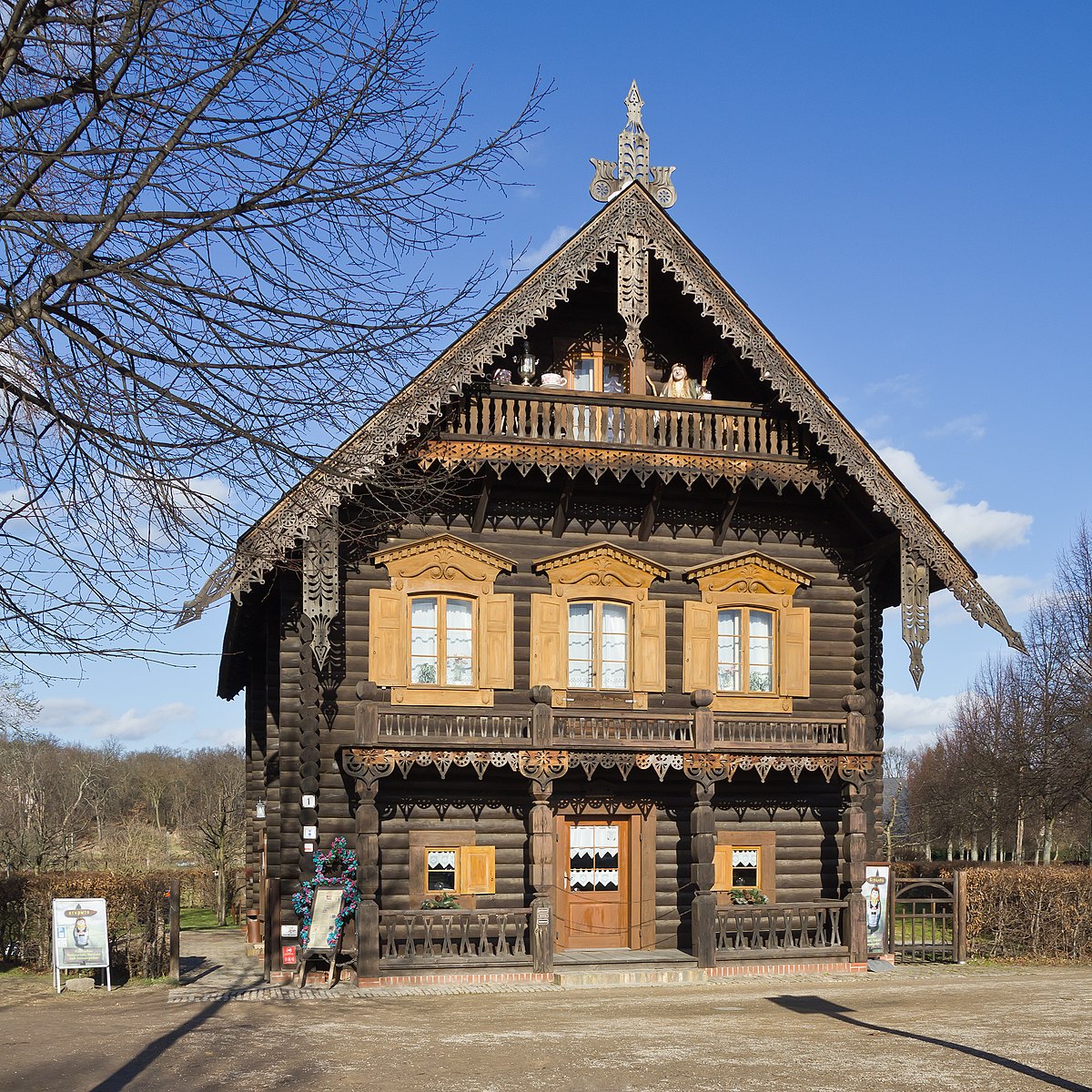
Alexandrowka
📍 Brandenburg, Germany
Located in the picturesque city of Potsdam, Germany, Alexandrowka is an intriguing architectural ensemble that reflects a unique blend of Russian and …

Alhauser Hammer
📍 North Rhine-Westphalia, Germany
Alhauser Hammer is a remarkable architectural ensemble located in Ennepetal, Germany, known for its historical significance as a water-driven hammer …

Alsdorfer Ölmühle
📍 North Rhine-Westphalia, Germany
The Alsdorfer Ölmühle, an architectural ensemble located in the heart of Alsdorf, Germany, is a remarkable example of a traditional watermill that …