Overview
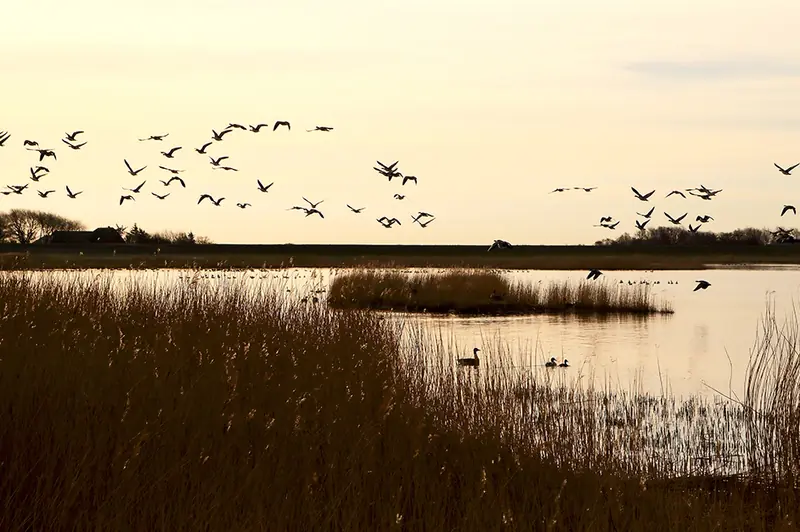
Rickelsbüller Koog is a nature reserve located in the scenic region of Schleswig-Holstein, Germany. This area serves as a vital sanctuary for diverse wildlife and offers visitors a chance to experience the tranquility of nature in a well-preserved environment. Covering a significant expanse and characterized by its unique marshland ecosystems, Rickelsbüller Koog plays a crucial role in wildlife conservation and environmental education. The reserve is not only a habitat for various species but also offers an opportunity for outdoor activities such as birdwatching and walking, making it an appealing destination for nature enthusiasts.
Set against a backdrop of peaceful landscapes, the reserve is situated at coordinates 54.90248889, 8.64848611. Visitors can immerse themselves in the serene atmosphere, discovering the intricate balance of nature and the importance of preserving such ecosystems. Whether you are a dedicated ornithologist, a casual hiker, or someone seeking a moment of peace away from urban life, Rickelsbüller Koog promises an enriching experience that highlights the beauty and complexity of natural habitats.
History and Significance
The history of Rickelsbüller Koog is intertwined with the development of marshlands in the region of Schleswig-Holstein. Throughout the years, these lands have undergone significant changes, often influenced by human activities aimed at agricultural development and land reclamation. The establishment of the nature reserve reflects an evolving understanding of environmental conservation and the need to protect vulnerable ecosystems.
As a designated nature reserve, Rickelsbüller Koog holds cultural importance not only for its natural features but also for its role in educating the public about ecological balance and wildlife protection. The reserve serves as a living laboratory for researchers and conservationists alike, contributing to the broader understanding of marshland ecosystems and their inhabitants. The significance of this protected area is underscored by its function as a habitat for numerous bird species, particularly migratory birds that rely on the wetlands for nesting and feeding.
The reserve also plays a critical role in local heritage, as it represents efforts to reconcile agricultural practices with environmental stewardship. By preserving the natural landscape, Rickelsbüller Koog exemplifies the importance of sustainable land use and the interconnectedness of human activity and environmental health. Visitors to the reserve can appreciate not only the beauty of the landscape but also the cultural narratives that arise from the ongoing relationship between people and the natural world.
Architecture and Features
Rickelsbüller Koog is primarily characterized by its diverse natural features rather than manmade structures. The reserve is home to extensive marshlands, wetlands, and various plant species that thrive in this unique habitat. The landscape is marked by a rich tapestry of flora that includes grasses, reeds, and other aquatic plants, all of which contribute to the ecological diversity of the area.
One of the notable features of Rickelsbüller Koog is the variety of bird species that inhabit the reserve. This area serves as a nesting ground for many avian species, making it a popular destination for birdwatchers. The presence of observation points along well-maintained paths allows visitors to observe these birds in their natural habitat without disturbing them.
The physical layout of the reserve facilitates exploration, with trails that meander through the marshes and provide access to different ecosystems within the area. These trails are designed to enhance the experience of visitors while minimizing the impact on the environment. The overall design of the reserve reflects a commitment to conservation and public education, encouraging visitors to engage with nature responsibly.
Visiting Information
Visitors to Rickelsbüller Koog can expect a peaceful and immersive experience in nature. Access to the reserve is generally straightforward, with local transport links available for those traveling from nearby towns and cities. However, it is advisable to check the official website for current information on transport options and accessibility.
When planning a visit, it is important to consider the time needed to fully appreciate the reserve. A few hours may suffice for a brief exploration, but those wishing to delve deeper into the area’s wildlife and ecosystems may want to allocate a full day. The best times to visit are during the spring and autumn months when migratory birds are prevalent, offering a vibrant spectacle for wildlife observers.
Although specific hours and entry fees are not detailed here, it is recommended to consult the official website for up-to-date information regarding visiting hours and any potential costs. Visitors should prepare for variable weather conditions, dressing appropriately for outdoor activities and bringing essentials like water, snacks, and binoculars for birdwatching.
Nearby Attractions
While Rickelsbüller Koog offers a tranquil retreat into nature, several nearby attractions complement a visit to the reserve:
Nordstrand: This nearby coastal area offers beautiful beaches and opportunities for water sports, making it a great spot for relaxation after a day at the reserve.
Friedrichstadt: Known for its charming canals and historical architecture, this town provides a glimpse into the region’s cultural heritage and is just a short drive away.
Schleswig-Holstein Wadden Sea National Park: A UNESCO World Heritage site, this expansive park features unique tidal flats and a rich biodiversity, ideal for those interested in marine ecosystems.
The Danewerk: A significant historical fortification, this UNESCO site showcases the region’s ancient defensive structures and offers insights into its historical significance.
Tönning: A quaint town located near the Eider River, Tönning is known for its picturesque harbor and the Eider Barrage, making it a delightful stop for visitors exploring the area.
Insider Tips
For those planning a trip to Rickelsbüller Koog, here are a few insider tips to enhance your visit:
Photography Tips: Early mornings or late afternoons provide the best lighting for photography. Bring a zoom lens to capture birds and other wildlife from a distance without disturbing them.
Crowd Avoidance: To enjoy a more serene experience, consider visiting on weekdays or during off-peak seasons. Early mornings or late afternoons are often less crowded, allowing for a more intimate experience with nature.
Practical Information
When preparing for a visit to Rickelsbüller Koog, consider the following practical tips to ensure a comfortable experience:
What to Bring: Essentials include water, snacks, binoculars for birdwatching, a camera, and suitable footwear for walking on trails. A map or guide can also enhance your understanding of the reserve.
Seasonal Considerations: Be mindful of seasonal weather patterns. Spring and autumn are ideal for wildlife viewing, while summer may offer lush greenery. Dress in layers and be prepared for sudden weather changes, especially in coastal areas.
Frequently Asked Questions
How long should I spend visiting?
While a few hours can provide a satisfactory overview of the reserve, a full day allows for deeper exploration and wildlife observation.
Is photography allowed?
Yes, photography is generally permitted, but it is advisable to respect wildlife and avoid disturbing their natural behaviors.
Are there guided tours?
Information regarding guided tours may vary; check the official website for availability and scheduling.
What’s the best time to visit?
Spring and autumn are considered the best times to visit for birdwatching and experiencing the natural beauty of the reserve.
Is it wheelchair accessible?
Accessibility information is not specified; check the official website for details on pathways and facilities.
Can I buy tickets online?
Check the official website for information regarding ticket purchasing options.
Are there restrooms and cafes?
Details on amenities such as restrooms and cafes are not provided; confirm with the official website for current facilities.
What should I wear?
Wear comfortable, weather-appropriate clothing and sturdy footwear suitable for walking on trails and uneven ground.



