Overview
Imagine a landscape where diverse ecosystems flourish, where the interplay of nature and human stewardship creates a sanctuary for wildlife and a haven for visitors. The Rhön Biosphere Reserve, located in Germany, embodies this vibrant harmony. This UNESCO Biosphere Reserve is not just a protected area; it is a testament to sustainable development and conservation practices that aim to balance ecological integrity with community needs.
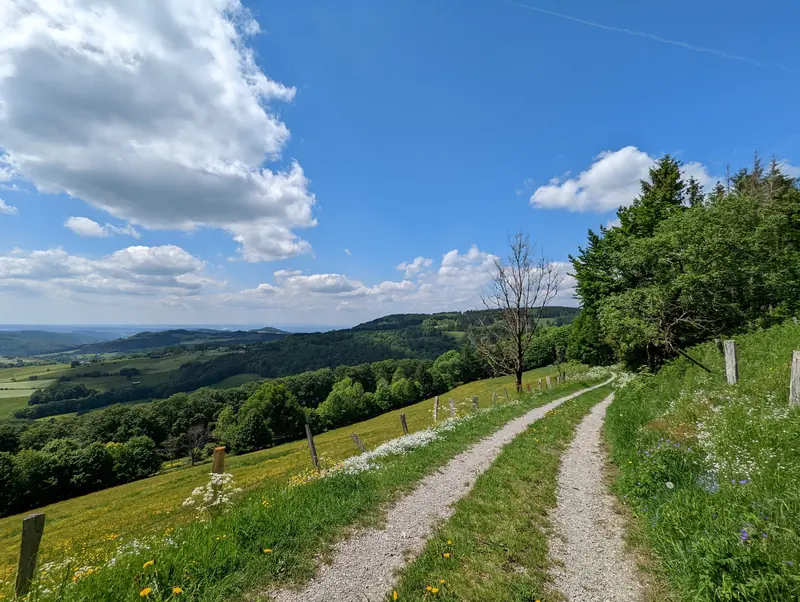
Situated at coordinates 50.35, 10.05, the reserve features a mix of forests, meadows, and unique geological formations, presenting a captivating panorama for nature lovers and outdoor enthusiasts. The area’s ecological significance is profound, as it serves as a refuge for various species and a living laboratory for researchers studying biodiversity.
Visitors to the Rhön Biosphere Reserve can expect to discover its rich natural heritage, engage with local communities, and explore the innovative practices that sustain this unique environment. Whether you’re hiking through its expansive trails, enjoying the tranquility of its landscapes, or learning about its conservation efforts, this biosphere reserve promises an enriching experience that celebrates the connection between nature and humanity.
History and Significance
The Rhön Biosphere Reserve holds a significant place in Germany’s commitment to environmental conservation and sustainable development. Over the centuries, the region has experienced various transformations influenced by both natural events and human activity. Traditionally an agricultural landscape, the area has evolved to embrace modern conservation practices while still acknowledging its historical roots.
The establishment of the biosphere reserve reflects a broader movement towards recognizing the importance of preserving natural habitats. It highlights the need to protect ecological systems while also considering the livelihoods of local populations. The reserve serves as a vital area for scientific research, enabling studies on biodiversity and sustainable land use. By promoting sustainable agricultural practices, the Rhön Biosphere Reserve also aids in protecting local flora and fauna, ensuring that future generations can appreciate this unique ecosystem.
Culturally, the Rhön region is rich with traditions and practices stemming from centuries of human interaction with the landscape. The local communities have maintained a deep connection to the land, which is evident in their agricultural methods and conservation efforts. This cultural heritage enhances the significance of the biosphere reserve, making it not only a natural haven but also a site where cultural and ecological narratives intertwine.
Architecture and Features
The Rhön Biosphere Reserve is characterized more by its natural features than by constructed architecture. The landscapes encompass a variety of ecosystems, including expansive meadows, dense forests, and unique geological formations that visitors can explore. The area’s distinctive features are shaped by its geological history and the natural processes that have occurred over time.
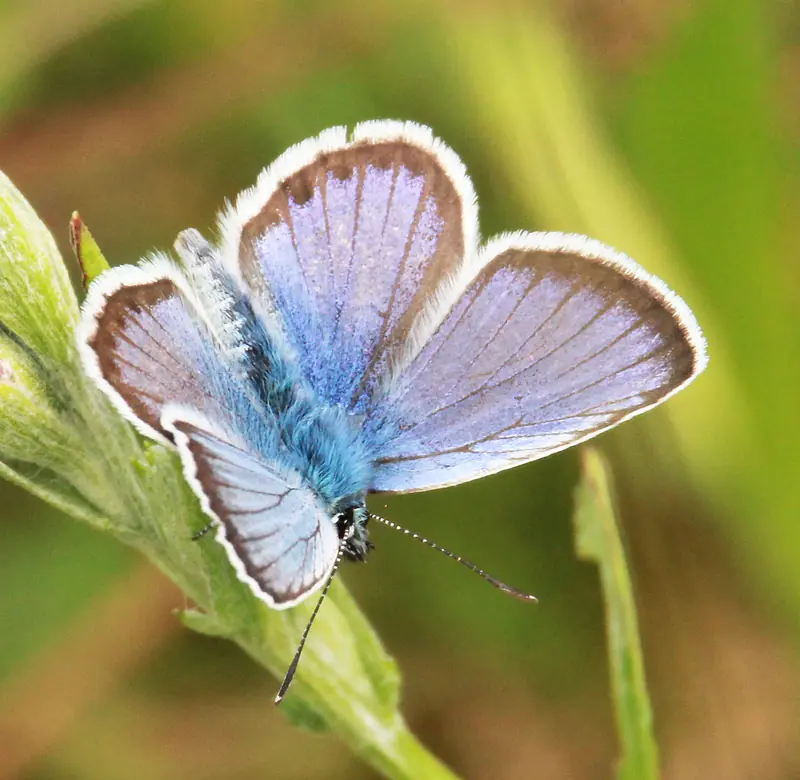
A notable aspect of the reserve is its diverse habitats that support a wide array of wildlife. Visitors can observe various species of birds, plants, and animals adapted to the unique conditions of the Rhön. The meadows and pastures, shaped by centuries of traditional farming, provide a vivid contrast to the wooded areas and rocky outcrops, creating a visually striking landscape.
For those interested in the intersection of nature and human activity, the Rhön Biosphere Reserve also showcases sustainable agricultural practices. These methods not only promote biodiversity but also reflect the cultural heritage of the region, emphasizing the importance of stewardship and responsible land use.
Visiting Information
Reaching the Rhön Biosphere Reserve is generally accessible via various transport options in the region. Visitors can use public transportation or drive to the reserve, which is well-marked and offers parking facilities.
Hours: Check the official website for current opening hours.
Prices: Visit the official website for current admission prices.
Your experience in the reserve will be enriched by its well-maintained trails and educational resources. Expect to spend about 1-2 hours exploring the area, depending on your interests and the specific trails you choose to hike.
The best times to visit are during the morning hours when the crowds are fewer, and the landscapes are often at their most serene. Spring and fall are particularly delightful, as the weather is generally mild and the natural surroundings are vibrant with seasonal changes.
Accessibility is an important consideration; check the official site for information on trails and facilities suited for all visitors.
Nearby Attractions
While the Rhön Biosphere Reserve is a destination in itself, there are several nearby attractions that enhance your visit:
The Rhön Mountains: A natural feature of the region, these mountains offer additional hiking opportunities and panoramic views of the surrounding landscape.
The Town of Gersfeld: This charming town provides insights into local culture and history, with several shops and cafes to enjoy.
The German Weather Service Observatory: Located nearby, this observatory allows visitors to learn about meteorological research and enjoy educational exhibits.
Biosphere House: This educational center within the reserve offers interactive displays about the local ecosystem, sustainability, and conservation efforts.
Hiking Trails: Explore the extensive network of trails that weave through the biosphere reserve, each offering unique glimpses of the area’s diverse flora and fauna.
Insider Tips
For photography enthusiasts, the early morning light casts a gentle glow on the landscape, making it an ideal time for capturing the beauty of the biosphere. Look for unique angles along the trails and be patient; wildlife often appears when least expected.
While the main trails are popular, consider venturing off the beaten path to discover lesser-known areas of the reserve. These quieter spots can provide a more intimate experience with nature.
To avoid crowds, plan your visit during weekdays, particularly in the early morning. This allows for a more peaceful exploration of the reserve’s stunning scenery.
Lastly, engage with the local community if possible. They often have stories and insights that enhance your understanding of the region’s cultural and ecological significance.
Practical Information
When planning your visit to the Rhön Biosphere Reserve, consider the following practical details:
What to Bring: Comfortable walking shoes, a water bottle, and a camera for capturing the stunning landscapes are essential. Binoculars are also recommended for birdwatching.
Seasonal Considerations: The reserve is open year-round, but be prepared for varying weather conditions. Spring and fall offer pleasant temperatures, while summer can be warm, and winter may bring snow.
Consolidating all visitor details: Check the official website for current opening hours and admission prices. Ensure you have a plan for transportation, and be ready to immerse yourself in the natural beauty and cultural richness of the Rhön Biosphere Reserve.
Frequently Asked Questions
How long should I spend visiting?
You should plan to spend about 1-2 hours exploring the Rhön Biosphere Reserve, depending on your interests and the specific trails you choose.
Is photography allowed inside?
Yes, photography is allowed throughout the reserve, so feel free to capture the stunning landscapes and wildlife.
Are there guided tours available?
Check the official website for information on guided tours and any educational programs that may be offered during your visit.
What’s the best time of day to visit?
The best time to visit is in the morning when crowds are minimal, and the natural light enhances the beauty of the landscapes.
Is the site wheelchair accessible?
For specific information on accessibility, contact the site directly for the latest information regarding trails and facilities.
Can I buy tickets online?
Visit the official website for details on ticket purchasing options, including online availability.
Are there facilities like restrooms and cafes?
Check the official website for information on facilities available within the reserve, including restrooms and any café options.
What should I wear when visiting?
Wear comfortable clothing suitable for walking and outdoor activities, and consider layers to accommodate changing weather conditions.
Photo Gallery