
Rhine Gorge
Overview
The Rhine Gorge, a UNESCO World Heritage cultural landscape, is a striking section of the Middle Rhine in Hesse, Germany. This area is characterized by its dramatic river valleys, terraced vineyards, and historic castles that line the banks of the Rhine River. The natural beauty and cultural significance of this landscape draw travelers from around the world, providing a unique insight into the interplay between nature and human endeavor.
The Rhine Gorge is more than just a picturesque setting; it is a living testament to centuries of history, encompassing various cultural influences that have shaped the region. With its beautiful scenery, the area appeals to nature enthusiasts, history buffs, and those seeking a tranquil retreat from the hustle and bustle of modern life. As visitors traverse this iconic landscape, they can expect to uncover stories of ancient trade routes, local traditions, and architectural marvels that continue to capture the imagination.
History and Significance
The history of the Rhine Gorge is deeply intertwined with the development of trade and commerce in Europe. Since ancient times, the Rhine River has served as a vital transportation route, facilitating the movement of goods and people. The cultural landscape of the Rhine Gorge reflects this significance, showcasing how human activities have harmoniously coexisted with the natural environment.
Over the centuries, various civilizations have left their mark on the Rhine Gorge. From the Romans, who recognized the strategic importance of the river, to the medieval princes who constructed imposing castles along its banks, the area has been a focal point of power and trade. These castles not only served as defensive structures but also as symbols of authority, marking the landscape with their presence.
The Rhine Gorge also played a pivotal role in the cultural evolution of the region. The area has been a source of inspiration for artists, poets, and musicians who have celebrated its beauty and historical significance. The romantic image of the Rhine, immortalized in literature and art, continues to resonate with visitors today.
Recognized as a UNESCO World Heritage site, the Rhine Gorge is celebrated for its unique cultural landscape that encompasses both man-made and natural elements. The vineyards, castles, and charming villages that dot the landscape epitomize the region’s cultural heritage, making it a significant area for both historical study and tourism.
Architecture and Features
The Rhine Gorge is home to a multitude of architectural features that reflect its rich history. The landscape is punctuated by a series of castles, many of which date back to the Middle Ages. These structures, such as the famous Marksburg Castle, are notable for their strategic locations and impressive designs, showcasing the military architecture of the time. Each castle has its own unique story, offering insights into the lives of those who once inhabited them.
In addition to the castles, the terraced vineyards that climb the slopes of the gorge are a defining characteristic of the region. These vineyards produce some of the finest wines in Germany, particularly Riesling, and have been cultivated for centuries. The interplay between the steep terrain and the meticulous care of the vineyards highlights the relationship between agriculture and the landscape.
The natural features of the Rhine Gorge, including the winding river and steep cliffs, enhance the overall aesthetic appeal of the area. The dynamic scenery, shaped by both geological processes and human intervention, creates a compelling backdrop for exploration. Walking trails and viewpoints along the river allow visitors to experience the stunning vistas firsthand, providing opportunities to appreciate the integration of nature and culture.
Visiting Information
Visiting the Rhine Gorge offers a chance to immerse oneself in its beauty and history. The region is accessible by various means of transport, including trains, buses, and boats. Travelers often choose to explore the area by boat, allowing for a unique perspective of the castles and vineyards from the water. Check the official website for current information on schedules and services to plan your visit effectively.
When visiting, expect to spend a significant amount of time exploring the landscape. A full day is recommended to fully appreciate the various attractions, take leisurely walks through the vineyards, and enjoy the local cuisine at nearby establishments. The best times to visit are typically during the spring and fall when the weather is mild, and the vineyards are vibrant with color.
While there are no formal entry fees for the natural landscape itself, some castles may charge for guided tours or special events. It is advisable to check the official website for hours and prices to ensure a smooth experience.
Nearby Attractions
Boppard: A charming town located on the banks of the Rhine, Boppard is known for its historic buildings and vibrant promenade. Visitors can stroll along the riverfront or explore the local shops and cafes.
Rüdesheim am Rhein: Famous for its wine production and lively atmosphere, this town is a popular destination for wine tasting and enjoying local festivals. The Drosselgasse, a narrow alley filled with restaurants and music, is a must-see.
Lorelei Rock: This legendary rock formation rises steeply from the river and is associated with various myths and stories. The viewpoint offers spectacular views of the Rhine and surrounding landscape.
St. Goar: Home to the impressive Rheinfels Castle, St. Goar is a picturesque town that provides insight into the region’s history. The castle ruins offer panoramic views and are well worth a visit.
Koblenz: Located at the confluence of the Rhine and Moselle rivers, Koblenz is a larger city with historical sites, parks, and a vibrant waterfront. The Ehrenbreitstein Fortress offers stunning views of the rivers and city.
Insider Tips
For photography enthusiasts, the best spots for capturing the essence of the Rhine Gorge are along the riverbanks and from the viewpoints near the castles. Early morning or late afternoon light can enhance the landscapes dramatically. To avoid crowds, consider visiting on weekdays or during the shoulder seasons of spring and fall.
If you plan to hike or walk through the vineyards, be sure to wear comfortable shoes and bring water, as some paths can be steep. Taking the time to explore lesser-known trails may lead to unique perspectives and quieter experiences.
Practical Information
When visiting the Rhine Gorge, it’s advisable to bring essentials such as water, snacks, and sun protection, especially during warmer months. Comfortable walking shoes are a must, as you will likely be exploring both urban areas and natural landscapes.
Seasonal considerations are important to keep in mind; spring and fall are ideal for pleasant weather and fewer tourists. Summer can be quite busy, while winter may present challenges with colder temperatures and potential snow.
Be sure to check the official website for any specific events or activities that may be happening during your visit, as these can greatly enhance your experience.
Frequently Asked Questions
How long should I spend visiting?
A full day is recommended to explore the Rhine Gorge, allowing time for sightseeing, hiking, and enjoying local cuisine.
Is photography allowed?
Yes, photography is allowed in most areas, but be respectful of private properties and any specific regulations at castles or sites.
Are there guided tours?
Yes, guided tours are available, particularly for castles and historical sites. Check local listings for options.
What’s the best time to visit?
Spring and fall are ideal for mild weather and fewer crowds, while summer is popular but busier.
Is it wheelchair accessible?
Accessibility varies by site. Some areas may have accessible paths, but check specific locations for details.
Can I buy tickets online?
Check the official website for information on online ticket purchases for specific attractions and castles.
Are there restrooms and cafes?
Restrooms and cafes are available in towns and at some attractions, but it’s advisable to carry water and snacks while exploring.
What should I wear?
Dress comfortably and wear sturdy shoes for walking. Layered clothing is advisable, as temperatures can vary throughout the day.
More in Rhineland-Palatinate
Abenteuermuseum
📍 Rhineland-Palatinate, Germany
The Abenteuermuseum, located in Germany, invites visitors to explore the wonders of adventure through its unique exhibits and engaging experiences. …
Abtei Wadgassen
📍 Rhineland-Palatinate, Germany
Abtei Wadgassen, a historical monastery located in Saarlouis, Germany, offers visitors a glimpse into the spiritual and architectural heritage of the …

Achteinhalb
📍 Rhineland-Palatinate, Germany
In the heart of Saarbrücken, Germany, Achteinhalb serves as a vibrant cultural hub for cinema enthusiasts. This movie theater not only showcases a …

Alexander Church
📍 Rhineland-Palatinate, Germany
Alexander Church, a notable church building located in Zweibrücken, Germany, offers a captivating glimpse into the region’s spiritual and …
Alt-Saarbrücken
📍 Rhineland-Palatinate, Germany
Alt-Saarbrücken, the old town of Saarbrücken, Germany, offers a glimpse into the historical fabric of the region. With its cobblestone streets and …

Altburg (Bundenbach)
📍 Rhineland-Palatinate, Germany
Altburg, situated in the picturesque region of Rhineland-Palatinate, Germany, is a fascinating castle that invites visitors to explore its storied …
More Cultural Landscapes

Altes Land
📍 Lower Saxony, Germany
Altes Land, located in northern Germany, is a remarkable cultural landscape that reflects the unique agricultural heritage and traditional practices …

Altmark
📍 Brandenburg, Germany
The Altmark region, located in the northwestern part of Saxony-Anhalt, Germany, offers a unique glimpse into a cultural landscape shaped by centuries …
Annaberg-Frohnau Mining Landscape
📍 Bavaria, Germany
The Annaberg-Frohnau Mining Landscape, located in Germany, represents a significant chapter in the story of European industrial heritage. This …
Buchholz Mining Landscape
📍 Bavaria, Germany
The Buchholz Mining Landscape, located in Germany, is a remarkable cultural landscape that offers a glimpse into the historical significance of mining …
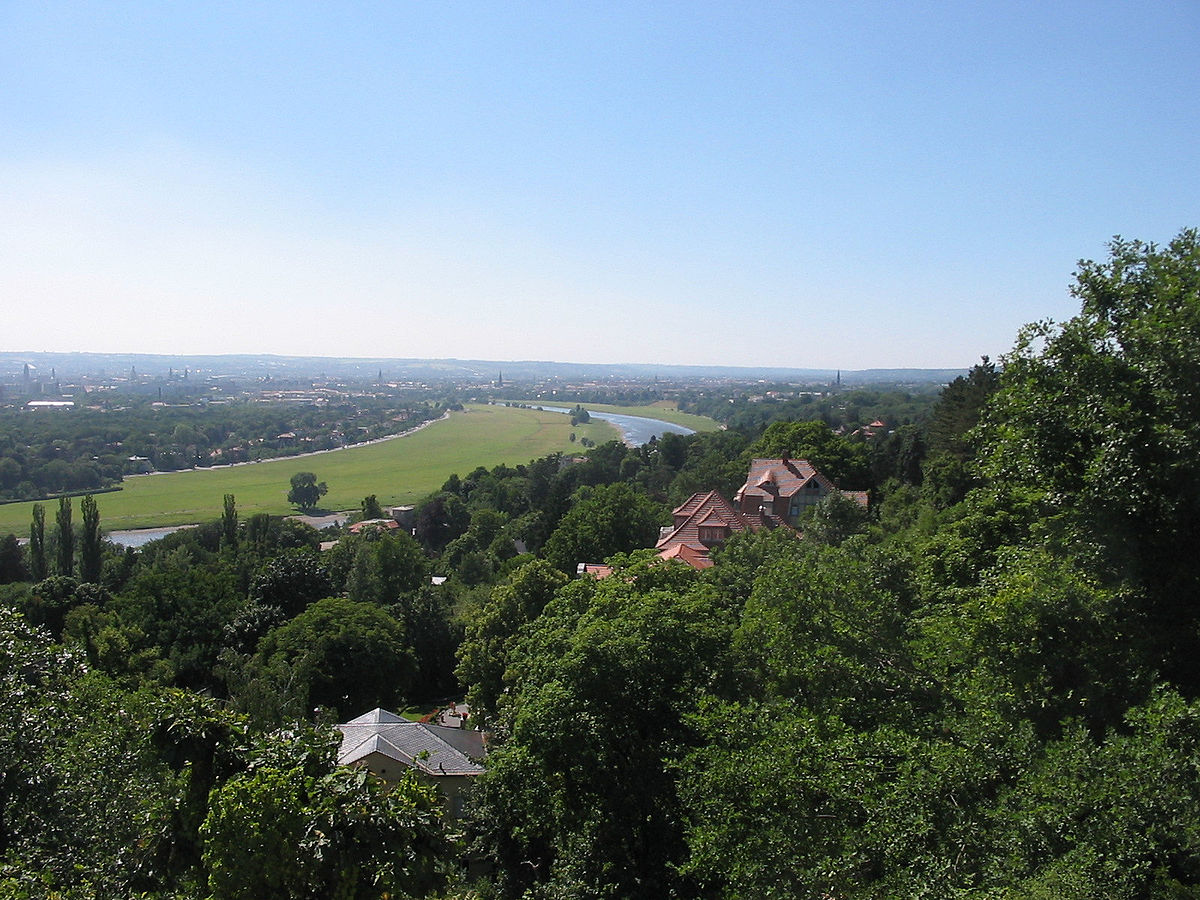
Dresden Elbe Valley
📍 Saxony, Germany
The Dresden Elbe Valley, a UNESCO World Heritage Site, is a cultural landscape that reflects the rich historical and artistic heritage of Saxony, …
Ehrenfriedersdorf Mining Landscape
📍 Saxony, Germany
The Ehrenfriedersdorf Mining Landscape, a significant cultural landscape in Germany, invites visitors to explore a rich history of mining that has …