Overview
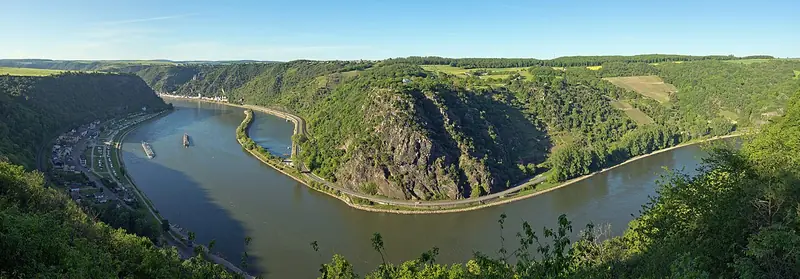
The Rhine River, one of Western Europe’s most significant waterways, flows majestically through Germany on its journey to the North Sea. Spanning a length of approximately 1,230 kilometers, this river has long served as a vital artery for trade, culture, and history. With its picturesque landscapes, charming towns, and historical landmarks, the Rhine offers a unique blend of natural beauty and cultural richness that captivates visitors from around the globe.
The river’s banks are lined with vineyards, castles, and quaint villages, making it a popular destination for both leisure travelers and history enthusiasts. As you traverse its winding course, you will encounter a myriad of experiences, from serene boat rides to vibrant festivals celebrating the region’s heritage. The Rhine is not just a river; it is a cultural corridor that has shaped the civilizations along its shores for centuries.
Whether you are seeking to explore its scenic beauty or delve into its historical significance, the Rhine promises an enriching experience. Visitors can expect to engage with the charming local culture, sample exquisite wines, and immerse themselves in the stories of the river that have echoed through time.
History and Significance
The Rhine River has played a pivotal role in the history of Europe for millennia. From ancient times, it has served as a crucial transportation route, facilitating trade and commerce between various regions. The river’s banks have been home to numerous civilizations, including the Celts and Romans, who recognized the strategic importance of this waterway. The Romans, in particular, established settlements along the Rhine and used it as a boundary for their Empire, marking it as a significant frontier.
Throughout the Middle Ages, the Rhine continued to be a hub of activity. It witnessed the rise and fall of various kingdoms and empires, with its waters facilitating the movement of goods and ideas. The river became associated with many cultural developments, as well as conflicts, as different powers sought control over its lucrative trade routes. Castles and fortifications were constructed along its banks, many of which still stand today, echoing tales of knights and noble families that once dominated the region.
The Rhine has not only been a physical connector but also a cultural one. It has inspired countless artists, writers, and musicians, reflecting the diverse heritage of the regions it traverses. The Romantic movement of the 19th century particularly celebrated the river, with poets and painters capturing its enchanting landscapes and historical significance. Today, the Rhine remains an essential part of Germany’s identity, serving as a vital economic resource and a symbol of cultural unity.
Architecture and Features
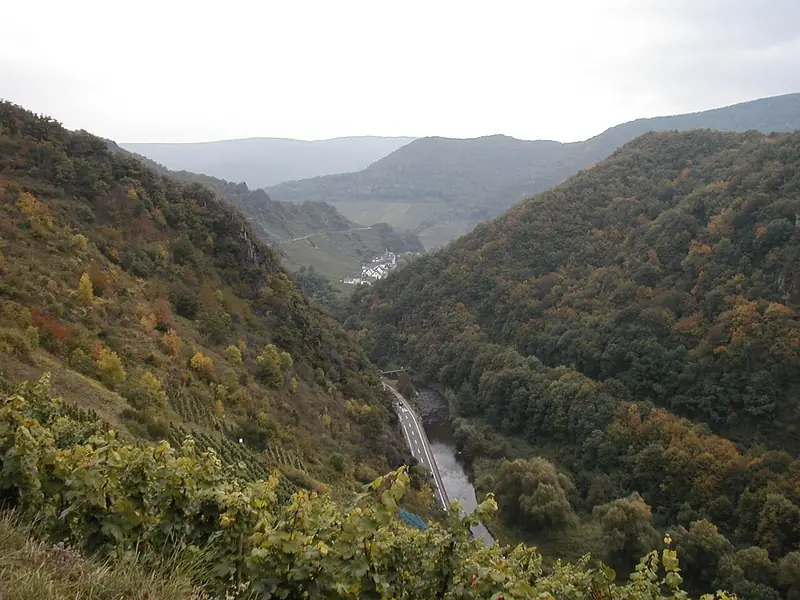
The Rhine River is characterized by its scenic beauty and historical architecture that punctuates its banks. The river itself flows through a variety of landscapes, from lush vineyards to steep cliffs that rise dramatically along its course. This diverse geography provides a stunning backdrop for the architectural wonders that adorn the river’s shores.
One of the most striking features of the Rhine is the multitude of castles that line its banks. These fortifications, many of which date back to the Middle Ages, were built to protect trade routes and assert territorial claims. Notable examples include the imposing Marksburg Castle, which stands as the only hilltop castle on the Rhine that has never been destroyed, and the romantic ruins of the Rheinfels Castle, which offer visitors a glimpse into the region’s storied past.
Additionally, the towns and villages that dot the Rhine are home to charming half-timbered houses and historic churches, each contributing to the river’s rich architectural heritage. The picturesque town of Rüdesheim, for instance, is famous for its quaint streets and the impressive Drosselgasse, a narrow alley lined with wine taverns and shops.
Beyond human architecture, the Rhine’s natural features are also noteworthy. The river’s meandering course creates numerous bends and loops, offering a variety of ecosystems and habitats. This biodiversity is an essential aspect of the Rhine, contributing to its designation as a natural site of importance.
Visiting Information
Visiting the Rhine River is a rewarding experience, offering various opportunities for exploration and enjoyment. The best way to appreciate the river’s beauty is through a combination of boat cruises and leisurely strolls along the banks. Many towns along the Rhine offer boat tours that provide unique perspectives of the castles and vineyards lining the river.
For those traveling by public transport, the Rhine is well-connected by rail and bus services. Major cities such as Bonn, Cologne, and Mainz serve as convenient access points, with frequent connections to smaller towns along the river. Visitors can easily hop from one picturesque village to another, immersing themselves in local culture.
Check the official website for current information on transportation options, including schedules and ticket prices. As for the best times to visit, spring and autumn are particularly favorable, as the weather is mild, and the surrounding landscapes are vibrant with color. The summer months can attract larger crowds, especially during local festivals, so planning your visit accordingly can enhance your experience.
When exploring the Rhine, allocate sufficient time to fully appreciate its offerings. A few days can provide a well-rounded experience, allowing for leisurely exploration of the towns, participation in wine tastings, and visits to historical sites.
Nearby Attractions
While the Rhine River itself is a central attraction, several nearby sites enhance the experience for visitors.
Burg Eltz: This medieval castle, located a short drive from the Rhine, is renowned for its fairy-tale appearance and well-preserved architecture. It offers guided tours showcasing its rich history.
Lorelei Rock: A famous landmark along the Rhine, Lorelei is steeped in legend and folklore. The rock is known for its stunning views and the stories of the siren who lured sailors to their doom.
Cologne Cathedral: A UNESCO World Heritage site, this Gothic masterpiece is one of Germany’s most iconic structures. Its towering spires and intricate façade draw visitors from all over the world.
Heidelberg Castle: Perched on a hill overlooking the Neckar River, this Renaissance castle is a short journey from the Rhine. Its scenic gardens and historical significance attract many visitors.
Rüdesheim am Rhein: This charming town is famous for its wines and lively atmosphere. Rüdesheim is an excellent place to experience local culture and enjoy the regional cuisine.
Insider Tips
To make the most of your visit to the Rhine, consider these insider tips:
Photography: The golden hours of sunrise and sunset offer the best natural light for photography. Capture the enchanting castles and villages bathed in soft hues for stunning images.
Crowd Avoidance: If you prefer a quieter experience, consider visiting during weekdays or in the shoulder seasons of spring and autumn. Major tourist spots often see larger crowds during weekends and summer.
Wine Sampling: Don’t miss the opportunity to taste the local Rieslings and other wines produced in the vineyards along the Rhine. Many wineries offer tastings and tours, providing insight into the winemaking process.
Practical Information
When preparing for your visit to the Rhine, here are some essential considerations:
What to Bring: Comfortable walking shoes are a must, as many towns are best explored on foot. A reusable water bottle, sunscreen, and a light jacket for cooler evenings can enhance your experience.
Seasonal Considerations: The Rhine experiences a temperate climate, but be prepared for rain, especially in autumn and spring. Check the weather forecast ahead of your visit to plan accordingly.
Local Customs: Embrace the local culture by trying traditional dishes and wines. Engaging with locals can provide a deeper understanding of the region’s history and traditions.
Frequently Asked Questions
How long should I spend visiting?
A visit to the Rhine can be tailored to your interests, but a stay of three to four days allows ample time to explore towns, enjoy river cruises, and visit historical sites.
Is photography allowed?
Yes, photography is generally allowed in public areas, but be respectful of any restrictions in specific sites or during certain events.
Are there guided tours?
Yes, many companies offer guided tours along the Rhine, including boat cruises and walking tours in various towns. Check local listings for details.
What’s the best time to visit?
The best times to visit the Rhine are spring and autumn when the weather is mild and the landscapes are particularly beautiful.
Is it wheelchair accessible?
Accessibility varies by town and attraction. Some areas are more accommodating than others, so it’s advisable to check specific locations for access information.
Can I buy tickets online?
Many attractions and boat tours offer online ticket purchases. Check the official websites for details and availability.
Are there restrooms and cafes?
Most towns along the Rhine have public restrooms and cafes, especially in tourist areas. However, facilities may be limited in smaller villages.
What should I wear?
Dress comfortably, considering the weather. Layered clothing is advisable, as temperatures can vary throughout the day, especially in spring and autumn.
Exploring the Rhine River offers an enriching experience that combines natural beauty with deep historical significance. Whether you’re savoring a glass of local wine or wandering through charming villages, the Rhine invites you to discover its captivating essence.