
Rheingau
Overview
Rheingau is a captivating cultural landscape situated on the northern bank of the Rhine River, stretching between the cities of Wiesbaden and Lorch in Germany’s Hesse region. Renowned for its picturesque vineyards and charming villages, this area offers visitors a unique blend of natural beauty and cultural heritage. The landscape is characterized by rolling hills, terraced vineyards, and historic estates, all of which contribute to its significance as a prime wine-producing region.
The Rheingau is not only pivotal in the wine industry but also serves as an important cultural hub. The area is rich in history, with its roots tracing back to ancient times when it was inhabited by the Romans. Today, it hosts numerous wineries, festivals, and cultural events that celebrate its winemaking tradition. A visit to Rheingau promises an enriching experience filled with exploration, taste, and stunning scenery, making it a worthwhile destination for both leisure travelers and history enthusiasts.
History and Significance
The history of Rheingau is deeply intertwined with its winemaking heritage. The region has been cultivated for viticulture for centuries, with the first records of wine production dating back to Roman times. The Romans recognized the favorable climate and fertile soil, establishing vineyards that would lay the foundation for Rheingau’s reputation as a premier wine region.
Throughout the Middle Ages, Rheingau flourished as a center for monastic wine production, particularly by the Cistercian monks in the 12th century. These monks not only produced wine for their own consumption but also contributed to the development of viticulture techniques that are still used today. The influence of monasteries can be seen in many of the historic estates and vineyards that dot the landscape.
The cultural significance of Rheingau extends beyond its vineyards. The region is also home to numerous castles, churches, and historical sites that reflect its storied past. The architectural styles range from Romanesque to Gothic, with many structures showcasing intricate designs and craftsmanship. The Rheingau has long been a place of inspiration for artists, musicians, and poets, further enriching its cultural landscape.
In recognition of its unique heritage and significance, Rheingau has been designated as a cultural landscape, emphasizing the harmonious relationship between the natural environment and human activity. This designation highlights the importance of preserving both the cultural and natural aspects of the region for future generations.
Architecture and Features
Rheingau’s architecture is a testament to its historical significance and cultural evolution. Visitors can find an array of structures, from ancient castles to quaint half-timbered houses, each telling a story of the region’s past. The landscape is peppered with impressive castles that once served as fortifications and residences for nobility, adding to the area’s charm and historical narrative.
One notable feature of the Rheingau is its terraced vineyards, which have been meticulously cultivated over generations. The steep slopes along the Rhine River create a breathtaking sight and are essential for wine production. These terraces not only enhance the visual appeal of the landscape but also contribute to the microclimate that is ideal for growing grapes.
Churches and monasteries also play a significant role in the architectural landscape of Rheingau. Many of these structures, such as the Eberbach Monastery, exemplify the Romanesque and Gothic styles, showcasing stunning stained glass windows and intricate stonework. The combination of these architectural elements creates a harmonious blend of history and culture, inviting visitors to explore the rich heritage of the region.
As a cultural landscape, Rheingau is also characterized by its lush greenery and scenic views. The combination of vineyards, forests, and the Rhine River creates a picturesque environment that is perfect for leisurely strolls and exploration. The area’s natural beauty, coupled with its historical sites, makes Rheingau a captivating destination for those who appreciate both culture and nature.
Visiting Information
Traveling to Rheingau is relatively straightforward, with various transportation options available. The region is easily accessible by car, with major highways connecting it to nearby cities. Public transportation, including trains and buses, also provide convenient access for visitors.
When planning your visit, it is advisable to check the official website for current information regarding hours and prices for specific attractions. The time needed to explore Rheingau can vary depending on individual interests, but a full day is recommended for a comprehensive experience. This allows ample time to visit wineries, explore quaint villages, and take in the stunning landscape.
The best times to visit Rheingau are during the spring and fall when the weather is mild, and the vineyards are particularly beautiful. Additionally, these seasons often coincide with various wine festivals and events, providing an opportunity to engage with local culture and traditions.
Expect to find a range of activities in Rheingau, from wine tastings and vineyard tours to hiking and cycling along scenic routes. The region’s commitment to preserving its cultural landscape means that visitors can immerse themselves in both the natural and historical aspects of this remarkable area.
Nearby Attractions
Wiesbaden: The capital of Hesse, Wiesbaden is known for its thermal springs and elegant architecture. The Kurhaus and its gardens are popular spots for visitors.
Lorch: A charming town located at the northern end of Rheingau, Lorch is home to several historical landmarks and offers picturesque views of the Rhine.
Eberbach Monastery: This former Cistercian monastery is a significant historical site, showcasing stunning medieval architecture and offering insight into the region’s monastic history.
Bacharach: Just a short distance from Rheingau, Bacharach is a picturesque medieval town along the Rhine, known for its half-timbered houses and scenic river views.
Rüdesheim am Rhein: This vibrant town is famous for its winemaking and lively atmosphere. The Drosselgasse, a narrow alley lined with wine taverns, is a must-visit.
Insider Tips
For photography enthusiasts, the golden hours of dawn and dusk provide the best lighting for capturing the beauty of the vineyards and the Rhine River. Consider venturing to the higher vantage points for panoramic shots that showcase the terraced vineyards against the backdrop of the river.
To avoid crowds, try to plan your visit during weekdays or early in the morning. Many wineries and attractions are less busy at these times, allowing for a more relaxed experience.
Practical Information
When visiting Rheingau, it is advisable to bring comfortable walking shoes, as many areas, especially the vineyards, may involve some walking on uneven terrain. Additionally, a refillable water bottle and sunscreen are recommended for warm days, as outdoor activities can be quite enjoyable.
Seasonal considerations are crucial when planning your trip. Spring is particularly beautiful as the vines begin to bloom, while fall offers the stunning sight of grape harvests and vibrant foliage. Winter may be quieter, but it provides an opportunity to enjoy the region’s cozy wine taverns.
Frequently Asked Questions
How long should I spend visiting?
A full day is recommended to explore the key attractions, enjoy wine tastings, and take in the scenery.
Is photography allowed?
Yes, photography is generally allowed in most public areas and attractions, but be mindful of specific restrictions in certain locations.
Are there guided tours?
Many wineries and historical sites offer guided tours. Check individual websites for availability and booking options.
What’s the best time to visit?
Spring and fall are ideal for pleasant weather and various cultural events.
Is it wheelchair accessible?
Accessibility may vary by location. It’s best to check with specific sites for detailed information.
Can I buy tickets online?
Many attractions offer online ticket purchases. Check their official websites for options.
Are there restrooms and cafes?
Public restrooms are available in many towns and attractions, and several cafes and restaurants can be found throughout the region.
What should I wear?
Comfortable clothing and shoes are recommended for walking, especially in vineyards. Dress in layers to accommodate varying weather conditions.
More in Hesse

Abri IX
📍 Hesse, Germany
Abri IX is an archaeological site located in Gleichen, Germany, that captures the essence of human history through its fascinating remnants. This site …

Ackerbürgermuseum Haus Leck
📍 Hesse, Germany
Ackerbürgermuseum Haus Leck is a culturally significant museum located in Germany’s Grebenstein region, dedicated to preserving and showcasing the …

Actien-Brauerei Homburg v. d. Höhe
📍 Hesse, Germany
Actien-Brauerei Homburg v. d. Höhe is a significant historical brewery located in Bad Homburg vor der Höhe, Germany. This former brewery is a …

Active Museum Spiegelgasse
📍 Hesse, Germany
Active Museum Spiegelgasse is a vital institution dedicated to preserving and exploring the German-Jewish history of Wiesbaden, Germany. Located in …

Adornodenkmal
📍 Hesse, Germany
Adornodenkmal, a prominent monument located in Frankfurt am Main, Germany, serves as a significant cultural landmark that encapsulates the spirit of …
Affentor
📍 Hesse, Germany
Affentor, the southernmost of the medieval city gates of Frankfurt am Main, serves as a historical marker of the city’s rich past and architectural …
More Cultural Landscapes

Altes Land
📍 Lower Saxony, Germany
Altes Land, located in northern Germany, is a remarkable cultural landscape that reflects the unique agricultural heritage and traditional practices …

Altmark
📍 Brandenburg, Germany
The Altmark region, located in the northwestern part of Saxony-Anhalt, Germany, offers a unique glimpse into a cultural landscape shaped by centuries …
Annaberg-Frohnau Mining Landscape
📍 Bavaria, Germany
The Annaberg-Frohnau Mining Landscape, located in Germany, represents a significant chapter in the story of European industrial heritage. This …
Buchholz Mining Landscape
📍 Bavaria, Germany
The Buchholz Mining Landscape, located in Germany, is a remarkable cultural landscape that offers a glimpse into the historical significance of mining …
Dresden Elbe Valley
📍 Saxony, Germany
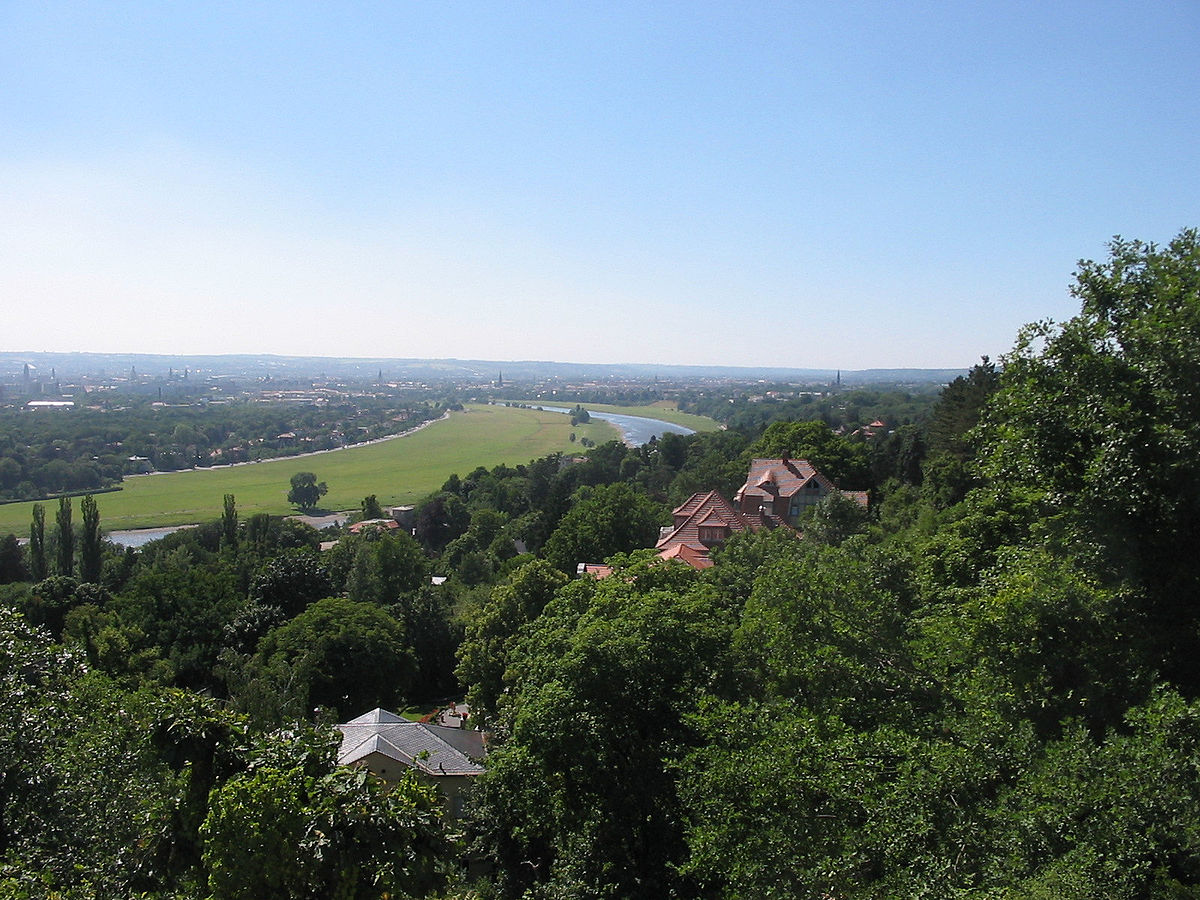
The Dresden Elbe Valley, a UNESCO World Heritage Site, is a cultural landscape that reflects the rich historical and artistic heritage of Saxony, …
Ehrenfriedersdorf Mining Landscape
📍 Saxony, Germany
The Ehrenfriedersdorf Mining Landscape, a significant cultural landscape in Germany, invites visitors to explore a rich history of mining that has …