Overview
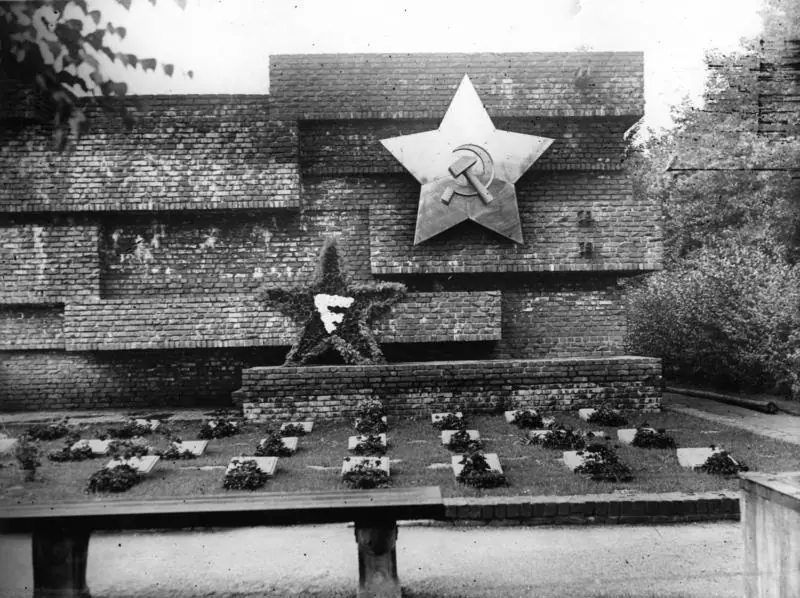
The Revolutionsdenkmal, located within the Zentralfriedhof Friedrichsfelde in Berlin, stands as a poignant memorial dedicated to the ideals and struggles of revolutionary movements in Germany. This significant monument serves as a reminder of the turbulent historical periods that shaped the nation, particularly during the 19th and early 20th centuries. The site is not only a resting place for notable figures but also a focal point for those wishing to reflect on Germany’s complex past. Its strategic location within one of Berlin’s largest cemeteries invites visitors to explore both the memorial itself and the surrounding grounds, steeped in history and reverberating with stories of social change.
The monument’s significance lies in its embodiment of the spirit of revolution and the quest for social justice that has marked Germany’s historical landscape. It is a powerful symbol for visitors looking to understand the interplay between the country’s past struggles and its present identity. Whether you’re a history enthusiast or a casual traveler, the Revolutionsdenkmal offers a contemplative experience that encourages deeper exploration of Berlin’s revolutionary heritage.
History and Significance
The Revolutionsdenkmal serves as a critical landmark in understanding the socio-political landscape of Germany throughout its history. While specific dates and events may vary, the monument commemorates the ideals of various revolutionary movements that sought to challenge the status quo. It symbolizes the aspirations for democracy and social reform that have emerged at different points in German history, particularly during the revolutions of 1848 and the aftermath of World War I.
The monument is not just a tribute to those who fought for change but also reflects the broader context of the struggles faced by the working class and the rise of socialist and communist ideologies. As a resting place for key figures in these movements, it provides a space for reflection on the sacrifices made in pursuit of social justice and equality. The significance of the Revolutionsdenkmal extends beyond its physical presence; it serves as a focal point for discussions about the meaning of revolution and the ongoing quest for rights and representation in modern society.
Furthermore, the Zentralfriedhof Friedrichsfelde is known for being the final resting place of many prominent figures in German history, including Karl Liebknecht and Rosa Luxemburg, who played crucial roles in the socialist movement. The monument thus stands in solidarity with their legacies, allowing visitors to connect with the past while contemplating the lessons learned from these historical narratives.
Architecture and Features
The architectural design of the Revolutionsdenkmal is emblematic of the monumental style that characterizes many memorials in Berlin. The structure itself is constructed with a sense of grandeur befitting its purpose as a memorial. While specific details about dimensions and materials may not be available, the overall aesthetic is one of solemnity and respect.
Notable features of the monument include inscriptions and symbolic elements that convey the themes of revolution and remembrance. These elements invite visitors to engage with the stories of those memorialized and reflect on the broader implications of their struggles. The design is thoughtfully integrated into the landscape of the Zentralfriedhof Friedrichsfelde, allowing for a contemplative atmosphere that encourages reflection.
Visitors will find that the monument is designed to facilitate personal contemplation, with spaces that enable quiet reflection. The surrounding cemetery grounds are lush and well-maintained, providing a serene backdrop for those who wish to spend time at the memorial. The combination of the monument’s architecture and its peaceful setting enhances the overall experience, making it a significant stop for anyone exploring Berlin’s heritage.
Visiting Information
Reaching the Revolutionsdenkmal is relatively straightforward, thanks to Berlin’s efficient public transport system. Visitors can utilize various modes of transport, including buses and trams, which connect to the nearby areas. Once at the Zentralfriedhof Friedrichsfelde, the monument is easily accessible within the cemetery grounds.
For those planning a visit, it is advisable to check the official website for current information regarding opening hours and any potential entry fees. The site typically welcomes visitors year-round, and while specific hours can vary, it is recommended to visit during daylight to fully appreciate the monument’s features.
Allocate a minimum of one hour to explore the Revolutionsdenkmal and its surrounding grounds. This timeframe allows for ample opportunity to reflect on the memorial and consider its historical significance. The best times to visit are during the spring and autumn months when the weather is generally mild, and the natural beauty of the cemetery is particularly striking.
As you plan your visit, consider bringing along a camera or notebook to capture your thoughts and reflections. The atmosphere of the monument encourages personal engagement with the themes of revolution and remembrance.
Nearby Attractions
While visiting the Revolutionsdenkmal, there are several nearby attractions that may pique your interest:
Zentralfriedhof Friedrichsfelde: The cemetery itself is rich in history, housing the graves of many notable figures from various political and cultural movements. Explore the expansive grounds to discover other memorials and tombs.
Karl Marx and Friedrich Engels Monument: Located in the nearby area, this monument honors two of the most influential figures in communist thought. It serves as a reminder of their impact on political ideologies around the world.
Berlin’s East Side Gallery: A short distance away, this open-air gallery features murals painted on a remaining section of the Berlin Wall, showcasing themes of freedom and unity.
Treptower Park: This large public park features a Soviet War Memorial and is a perfect spot for a leisurely stroll, offering green spaces and scenic views along the River Spree.
Stasi Museum: Located in the former headquarters of the East German secret police, the museum provides insights into the workings of the Stasi and the impact of state surveillance on society.
Insider Tips
To enhance your experience at the Revolutionsdenkmal, consider the following insider tips:
Photography: While photography is generally allowed, be mindful of the solemn nature of the site. Capture images respectfully, especially if other visitors are present.
Crowd Avoidance: To enjoy a more peaceful visit, aim to arrive early in the morning or later in the afternoon. This timing often means fewer visitors, allowing for a more personal experience.
Reflection: Allow time for quiet contemplation at the monument. Engaging with the themes it represents can deepen your understanding of the historical context.
Practical Information
When visiting the Revolutionsdenkmal, consider bringing the following items:
Comfortable footwear: The cemetery grounds are expansive, and comfortable shoes will make your exploration more enjoyable.
Weather-appropriate clothing: Depending on the season, dress in layers or bring an umbrella, as the weather can change quickly in Berlin.
Water and snacks: While there may not be facilities directly at the site, having refreshments on hand can enhance your visit, especially if you plan to explore the surrounding cemetery.
The best time to visit is during the spring and autumn months when the weather is mild, and the natural beauty of the cemetery enhances the atmosphere.
Frequently Asked Questions
How long should I spend visiting?
A visit typically takes about one hour, but you may want to allocate more time to explore the surrounding cemetery and reflect on the monument.
Is photography allowed?
Yes, photography is generally permitted, but please be respectful of others who may be visiting for contemplation.
Are there guided tours?
Check the official website for information on guided tours, as they may offer deeper insights into the monument’s significance.
What’s the best time to visit?
Spring and autumn are ideal times to visit due to mild weather and beautiful scenery.
Is it wheelchair accessible?
While the monument itself is accessible, check the official website for specific information on accessibility within the cemetery grounds.
Can I buy tickets online?
Currently, there are no entry fees, but it’s always best to verify on the official website for any updates.
Are there restrooms and cafes?
Facilities may be limited within the cemetery, so it’s advisable to plan accordingly.
What should I wear?
Dress comfortably and appropriately for the weather, considering that you may be walking and spending time outdoors.



