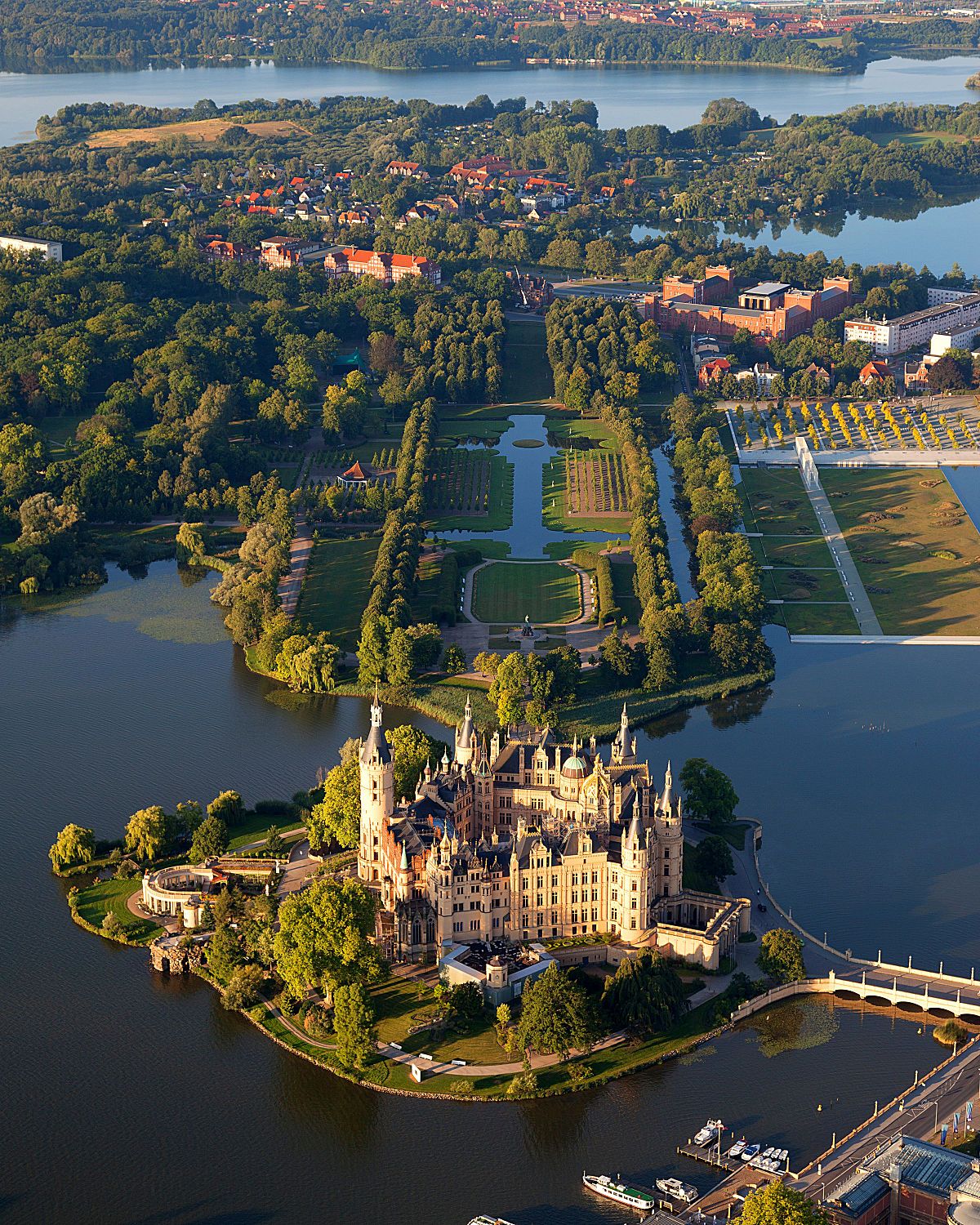
Residence Ensemble Schwerin
Overview
The Residence Ensemble Schwerin, located in the charming city of Schwerin, Germany, is an architectural masterpiece that reflects the grandeur and cultural significance of its time. This UNESCO World Heritage site is not merely a collection of buildings; it embodies the historical narrative of the region and the artistic endeavors that flourished here. Visitors can expect to explore a harmonious blend of architectural styles, rich history, and picturesque surroundings, making it a must-visit destination for those intrigued by cultural heritage and architectural beauty.
Situated in the heart of Schwerin, the ensemble is easily accessible, inviting travelers to delve into its fascinating past. The architectural ensemble consists of several buildings, each contributing to the overall aesthetic and historical context. The site is a testament to the artistic and cultural movements that have shaped the region, reflecting influences from different eras that contribute to its unique character.
As you wander through this stunning location, you will encounter not only exquisite architecture but also an atmosphere that tells the story of the people who lived and worked here. A visit to the Residence Ensemble Schwerin promises to be a delightful exploration of history, art, and culture, leaving a lasting impression on all who come.
History and Significance
The Residence Ensemble Schwerin has a storied past that is intertwined with the history of the region and its rulers. Originally established as a ducal residence, this architectural ensemble reflects the evolution of power and the changing landscape of governance in Northern Germany. The significance of the site is deeply rooted in its role as a center of political and cultural life, where decisions that influenced the region were made.
The construction of the ensemble showcases the ambitions of the dukes of Mecklenburg, who sought to create a residence that not only served as a home but also as a symbol of their authority and cultural sophistication. The architectural styles represented in the ensemble highlight the transition from medieval fortifications to the more ornate designs of the Renaissance and Baroque periods. This evolution mirrors the broader changes occurring in Europe during these times, making the site an important example of the cultural shifts that took place.
Throughout its history, the Residence Ensemble has hosted significant events and figures, further cementing its place in the historical narrative of Schwerin. The buildings have witnessed political negotiations, cultural gatherings, and social events, all contributing to the vibrant history of the region. The ensemble has also undergone various restorations and renovations, ensuring its preservation for future generations. Visitors to the site can appreciate not only its architectural beauty but also the stories of triumph and challenge that have unfolded within its walls.
Architecture and Features
The architectural ensemble of Schwerin is characterized by a diversity of styles that reflect the historical evolution of the region. While the exact details of the buildings may vary, the overall aesthetic is marked by grand facades, intricate decorations, and thoughtful landscaping that enhances the visual appeal of the site.
The central feature of the Residence Ensemble is the ducal palace, which showcases a mix of Renaissance and Baroque elements. The facade is adorned with decorative motifs and sculptures that capture the craftsmanship of the era, while the layout of the grounds integrates natural beauty with architectural grandeur. The harmonious design of the palace is complemented by the surrounding gardens, which offer a serene environment for visitors to explore.
Within the ensemble, one can discover various architectural details that highlight the artistry of the period. From ornate ceilings to elaborate staircases, every aspect of the design has been meticulously crafted. The interplay between light and space within the interiors creates an inviting atmosphere that encourages exploration.
Notably, the ensemble’s gardens are an essential part of the experience, providing a tranquil space that contrasts with the opulence of the buildings. The gardens are designed to reflect the formal styles of the time, with neatly trimmed hedges, pathways, and fountains that enhance the aesthetic of the ensemble.
Visiting Information
Visiting the Residence Ensemble Schwerin offers a unique opportunity to immerse oneself in the history and artistry of the site. To reach the ensemble, travelers can utilize various modes of transport, including public transit options and private vehicles. The central location makes it accessible for visitors exploring Schwerin.
Check the official website for current information regarding hours of operation and ticket prices. It is advisable to allocate sufficient time to fully appreciate the ensemble, as there is much to explore both indoors and outdoors. Depending on personal interests, visitors may wish to spend several hours wandering through the palace and its gardens.
The best times to visit the Residence Ensemble Schwerin are during the spring and summer months when the gardens are in full bloom and the weather is pleasant for outdoor exploration. Early mornings or late afternoons can offer a quieter experience, allowing for a more personal connection with the site.
Nearby Attractions
While at the Residence Ensemble Schwerin, consider exploring other noteworthy attractions in the vicinity to enrich your visit:
- Schwerin Cathedral - A stunning example of Gothic architecture, this cathedral is known for its impressive stained glass windows and historical significance.
- Schwerin Lake - A picturesque body of water perfect for leisurely walks or boat rides, providing a scenic backdrop to the city.
- Museum Schwerin - This museum showcases a variety of exhibits, including art and historical artifacts, offering deeper insights into the region’s cultural heritage.
- State Museum Schwerin - Featuring a vast collection of art and historical items, this museum is a must-see for those interested in the local history of Mecklenburg-Vorpommern.
- Schwerin Castle Park - A beautifully landscaped park ideal for a relaxing stroll, complete with walking trails and picturesque views of the castle.
Insider Tips
To make the most of your visit to the Residence Ensemble Schwerin, consider the following insider tips:
- Photography: The architecture and gardens offer excellent photography opportunities. Early morning or late afternoon light can enhance the beauty of your shots.
- Crowd Avoidance: If possible, aim to visit on weekdays or during off-peak hours to enjoy a quieter experience, allowing you to fully appreciate the site without the hustle and bustle of large crowds.
Practical Information
When planning your visit to the Residence Ensemble Schwerin, keep the following practical considerations in mind:
- What to Bring: Comfortable walking shoes are recommended, as you will likely spend considerable time exploring the grounds. A camera is also advisable to capture the stunning architecture and gardens.
- Seasonal Considerations: The best visiting seasons are spring and summer when the gardens are vibrant and the weather is conducive to outdoor activities. However, the ensemble can be visited year-round, with each season offering its unique charm.
Frequently Asked Questions
How long should I spend visiting?
A visit typically requires several hours to fully enjoy the palace and gardens, so plan for at least half a day.
Is photography allowed?
Yes, photography is generally permitted, but be mindful of any specific guidelines provided at the site.
Are there guided tours?
Check the official website for information on guided tours, which can provide deeper insights into the history and architecture of the ensemble.
What’s the best time to visit?
The best time to visit is during spring and summer when the gardens are in bloom, but early mornings or late afternoons are ideal for fewer crowds.
Is it wheelchair accessible?
Check the official website for detailed accessibility information to ensure a comfortable visit.
Can I buy tickets online?
Ticket purchasing options may be available online; check the official website for the most accurate information.
Are there restrooms and cafes?
Facilities such as restrooms and cafes are typically available on-site, but check the official website for specific details.
What should I wear?
Dress comfortably for walking and consider the weather conditions, especially if you plan to spend time outdoors.
More in Lower Saxony

2000 Jahre Christentum
📍 Lower Saxony, Germany
The “2000 Jahre Christentum,” a prominent statue located in Brunswick, Germany, serves as a significant cultural landmark that reflects the rich …
A. Heucke
📍 Lower Saxony, Germany
A. Heucke, located in the historic town of Gatersleben in Germany’s Seeland region, represents a significant chapter in the story of industrial …

Aalto Theatre
📍 Lower Saxony, Germany
The Aalto Theatre in Essen, Germany, is a prominent cultural landmark that attracts both local and international visitors. Renowned for its …

Aasee
📍 Lower Saxony, Germany
Aasee is a picturesque lake located in the town of Ibbenbüren, Germany, serving as a popular destination for both locals and visitors alike. This …
Abgunst Mine
📍 Lower Saxony, Germany
Abgunst Mine, located in the industrial heart of Essen, Germany, is a significant heritage site that represents the country’s rich mining history. As …

Accumer Mühle
📍 Lower Saxony, Germany
Accumer Mühle is a captivating windmill located in Schortens, Germany, that showcases the remarkable engineering of traditional European mills. This …
More Architectural Ensembles

144., 176. und 184. Gemeindeschule
📍 Berlin, Germany
The 144., 176. und 184. Gemeindeschule, an architectural ensemble located in the vibrant city of Berlin, stands as a noteworthy example of educational …

Adelheidstraße 3–7, 9–12, 12a, 14, 15, 22–31, Amelungstraße 1, Friedrich-Ebert-Platz
📍 Lower Saxony, Germany
In the heart of Quedlinburg, Germany, lies a captivating architectural ensemble that reflects the town’s historical significance and cultural …

Aegidiimarkt
📍 Lower Saxony, Germany
Aegidiimarkt is a captivating architectural ensemble located in the heart of Münster, Germany. This vibrant square not only serves as a hub for local …
Alexandrowka
📍 Brandenburg, Germany
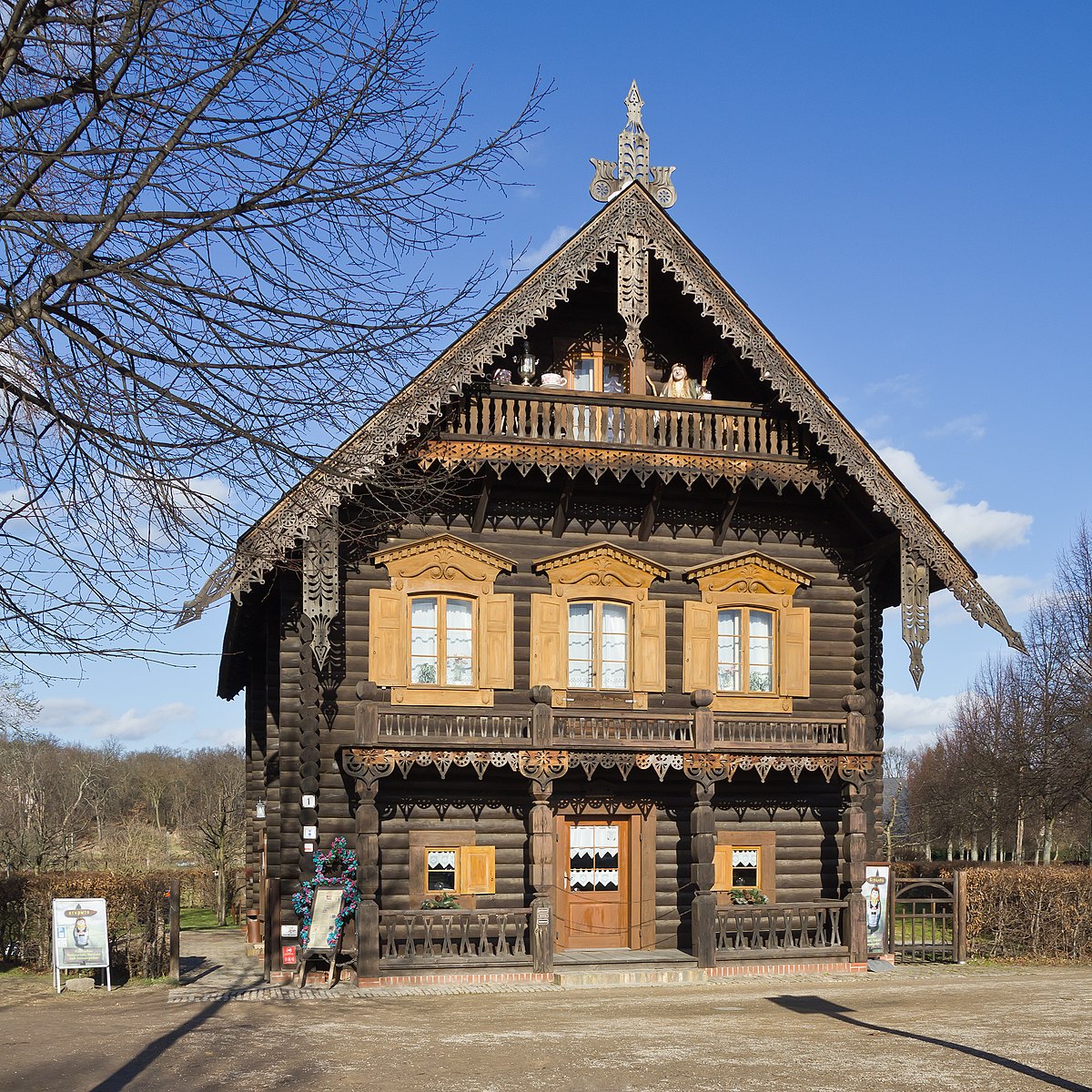
Located in the picturesque city of Potsdam, Germany, Alexandrowka is an intriguing architectural ensemble that reflects a unique blend of Russian and …

Alhauser Hammer
📍 North Rhine-Westphalia, Germany
Alhauser Hammer is a remarkable architectural ensemble located in Ennepetal, Germany, known for its historical significance as a water-driven hammer …

Alsdorfer Ölmühle
📍 North Rhine-Westphalia, Germany
The Alsdorfer Ölmühle, an architectural ensemble located in the heart of Alsdorf, Germany, is a remarkable example of a traditional watermill that …