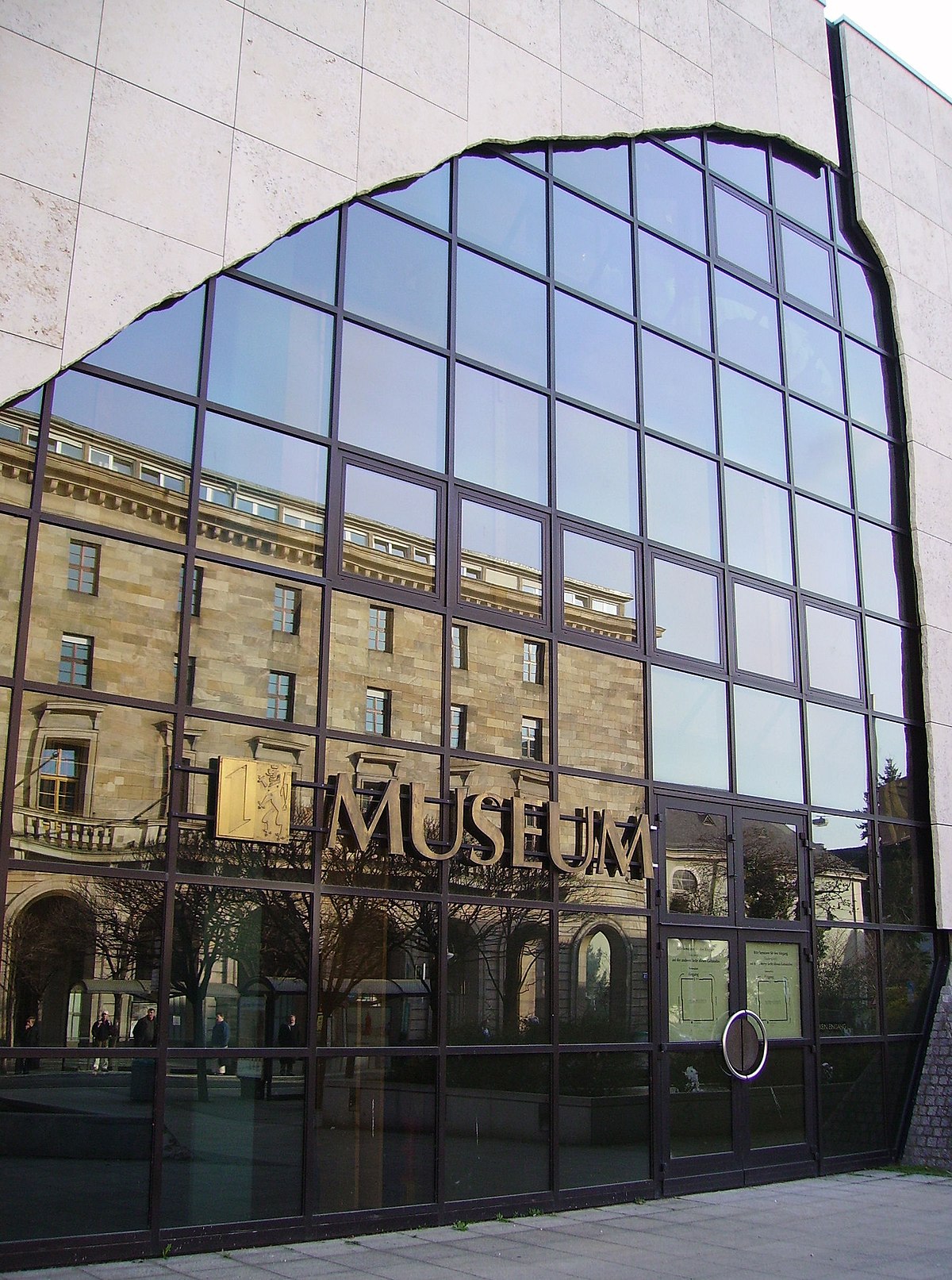
Reiss-Engelhorn Museums
Overview
The Reiss-Engelhorn Museums in Mannheim, Germany, invite visitors to explore a diverse array of cultural narratives and artistic expressions. This public institution is not just a collection of artifacts but a vibrant cultural hub that reflects Mannheim’s rich history and its role in the broader context of German heritage. With its strategic location in the heart of the city, the museum serves as a gateway for both locals and tourists to engage with the past while appreciating contemporary art and culture.
The museum complex encompasses several distinct museums and exhibitions, each contributing uniquely to the cultural landscape of Mannheim. Through its varied collections, the Reiss-Engelhorn Museums emphasize the importance of preserving history while fostering an appreciation for art in all its forms, making it an essential stop for any heritage enthusiast.
History and Significance
The Reiss-Engelhorn Museums have evolved into a key cultural institution in Mannheim, dedicated to the exploration and exhibition of art, archaeology, and history. Established to serve the public interest, the museums draw from a rich collection that spans a wide array of periods and styles, reflecting the diverse influences that have shaped the region.
Over the years, the Reiss-Engelhorn Museums have hosted numerous exhibitions that not only highlight local history but also feature international artworks and artifacts. This commitment to showcasing both local and global narratives fosters a deeper understanding of cultural interchange, making the museums a vital educational resource for visitors of all ages.
Mannheim itself has a storied past, being a significant center of trade and culture since its early establishment. The museums play a crucial role in preserving this heritage, offering insights into the city’s development and its contributions to the arts and sciences. By curating collections that encompass various themes—from ancient civilizations to contemporary art—the Reiss-Engelhorn Museums strive to engage visitors in meaningful dialogues about history, culture, and the human experience.
The museums also engage in various educational programs, workshops, and lectures, further solidifying their importance as a cultural institution. These initiatives not only enhance the visitor experience but also encourage community participation and collaboration, making the Reiss-Engelhorn Museums a dynamic part of Mannheim’s cultural fabric.
Architecture and Features
The Reiss-Engelhorn Museums consist of several buildings, each showcasing distinct architectural styles that reflect their historical and cultural significance. While specific architectural details are not outlined, the overall design of the museum complex aligns with its mission to house a diverse collection of art and artifacts.
Inside, visitors will find a range of exhibition spaces that are thoughtfully curated to enhance the viewing experience. The layout encourages exploration, with various galleries dedicated to different themes and periods. The museum’s commitment to accessibility ensures that all visitors can engage with the exhibits comfortably.
Notable features may include interactive displays and multimedia presentations that provide deeper insights into the collections. This approach not only brings the artifacts to life but also connects historical narratives to contemporary issues, making the museum experience relevant and engaging for all age groups.
Additionally, the museum’s common areas, such as reception and informational kiosks, are designed to facilitate visitor engagement, ensuring that individuals have access to necessary resources and knowledge as they navigate the complex.
Visiting Information
Visiting the Reiss-Engelhorn Museums is a rewarding experience that allows for a deep dive into the cultural heritage of Mannheim. To plan your visit effectively, it is advisable to check the official website for current information regarding hours of operation and ticket prices, as these can vary.
Transportation to the museum is accessible via public transit, with several options available for reaching the site. Visitors can expect to spend a few hours exploring the various exhibitions, making it an ideal destination for both short visits and longer explorations of art and history.
The best times to visit are typically during weekdays, as weekends may draw larger crowds. Planning ahead can enhance your experience, allowing you to fully immerse yourself in the exhibitions without feeling rushed.
The museums may also host special events or temporary exhibitions, which can provide further opportunities for engagement. Checking the official website prior to your visit can help you stay informed about any unique offerings during your stay.
Nearby Attractions
Mannheim is home to several attractions that complement a visit to the Reiss-Engelhorn Museums:
Mannheim Palace: A short distance away, this Baroque palace is one of the largest in Germany and offers guided tours that explore its opulent history.
Luisenpark: This expansive urban park features beautiful gardens, a lake, and various recreational opportunities, perfect for a leisurely stroll after your museum visit.
Technoseum: This museum of technology and labor showcases various technological advancements and their impact on society, providing an interesting contrast to the art-focused Reiss-Engelhorn Museums.
Planken Street: Known for its shopping and dining options, Planken Street is a bustling area ideal for experiencing local culture and cuisine.
Water Tower: An iconic landmark of Mannheim, the Water Tower is a great spot for photos and offers insight into the city’s architectural heritage.
Insider Tips
For the best experience at the Reiss-Engelhorn Museums, consider visiting early in the day or later in the afternoon to avoid peak crowds. This will allow you to appreciate the exhibits in a more relaxed setting.
When it comes to photography, be mindful of any restrictions that may apply to specific exhibitions. Some artworks might have limitations on photography, so checking the guidelines will enhance your visit.
Additionally, if you are keen on learning more, consider joining a guided tour if available. This can provide deeper insights and enhance your understanding of the exhibits.
Practical Information
When planning your visit to the Reiss-Engelhorn Museums, it is wise to bring a camera, a notebook for jotting down thoughts, and comfortable walking shoes, as you may spend considerable time exploring the galleries.
Seasonal considerations may affect your experience; check the weather forecast before your visit, as outdoor spaces can enhance your trip during pleasant weather. Be sure to pack accordingly, especially if you plan to visit nearby parks or outdoor attractions.
Visitors are encouraged to stay hydrated, so bringing a water bottle can be beneficial. Some museum cafes may offer refreshments, but having your own supply can ensure you remain energized during your exploration.
Frequently Asked Questions
How long should I spend visiting?
A visit to the Reiss-Engelhorn Museums typically takes a few hours, but you may want to allocate more time if you plan to explore multiple exhibitions.
Is photography allowed?
Photography policies vary by exhibition. Be sure to check for any restrictions before taking photos.
Are there guided tours?
Guided tours may be available; it is advisable to check the official website for scheduling and availability.
What’s the best time to visit?
Weekdays generally offer a quieter experience, while weekends may attract larger crowds.
Is it wheelchair accessible?
The museum aims to be accessible to all visitors, but checking the official website for specific accommodations is recommended.
Can I buy tickets online?
Ticket purchasing options may be available online. Confirm on the official website for the latest information.
Are there restrooms and cafes?
Facilities are typically available on-site, including restrooms and possibly cafes for refreshments.
What should I wear?
Comfortable clothing and shoes are recommended, as you may spend significant time walking through the museum and exploring nearby attractions.
More in Baden-Württemberg

Aachtobel
📍 Baden-Württemberg, Germany
Aachtobel, located in the picturesque region of Baden-Württemberg, Germany, serves as a vital natural reserve, offering a serene escape into the …

Aalen Central station
📍 Baden-Württemberg, Germany
Aalen Central Station serves as a vital railway hub in southern Germany’s Baden-Württemberg region, connecting travelers to local and regional …

Aalkistensee
📍 Baden-Württemberg, Germany
Aalkistensee, located in the serene region of Maulbronn in Baden-Württemberg, Germany, is a tranquil lake that invites visitors into its peaceful …

Abbey and Altenmünster of Lorsch
📍 Baden-Württemberg, Germany
The Abbey and Altenmünster of Lorsch is a UNESCO World Heritage site located in the charming town of Lorsch, Germany. This significant cultural …

Abbey of Reichenau
📍 Baden-Württemberg, Germany
The Abbey of Reichenau, a significant monastery located in the serene Reichenau region of Germany, serves as a remarkable window into the religious …

Abbey of Saint Peter in the Black Forest
📍 Baden-Württemberg, Germany
The Abbey of Saint Peter in the Black Forest is a remarkable testament to monastic tradition, offering visitors a direct encounter with the serene …
More Museums
Abbey and Altenmünster of Lorsch
📍 Baden-Württemberg, Germany
The Abbey and Altenmünster of Lorsch is a UNESCO World Heritage site located in the charming town of Lorsch, Germany. This significant cultural …
Abenteuermuseum
📍 Rhineland-Palatinate, Germany
The Abenteuermuseum, located in Germany, invites visitors to explore the wonders of adventure through its unique exhibits and engaging experiences. …

Abwasser- und Sielmuseum
📍 Hamburg, Germany
The Abwasser- und Sielmuseum, located in the heart of Hamburg-Mitte, offers a unique glimpse into the city’s historical infrastructure concerning …

Academy of Arts, Berlin
📍 Berlin, Germany
The Academy of Arts in Berlin is not just a museum; it is a prominent national institution dedicated to the advancement of the arts in Germany. …

Ackerbürgermuseum Haus Leck
📍 Hesse, Germany
Ackerbürgermuseum Haus Leck is a culturally significant museum located in Germany’s Grebenstein region, dedicated to preserving and showcasing the …

Active Museum Spiegelgasse
📍 Hesse, Germany
Active Museum Spiegelgasse is a vital institution dedicated to preserving and exploring the German-Jewish history of Wiesbaden, Germany. Located in …