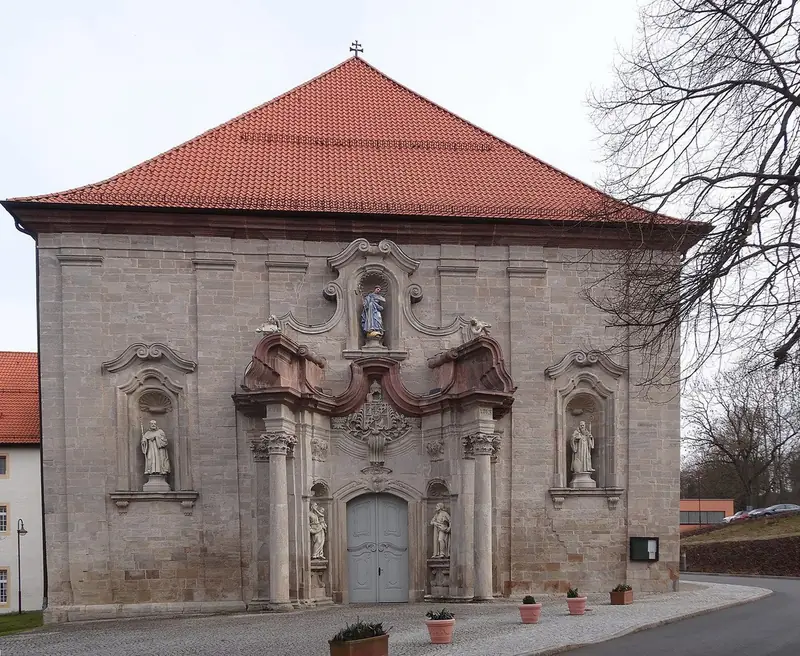
Overview
Reifenstein Abbey, a serene Cistercian monastery located near the village of Kleinbartloff in Germany, invites visitors to explore its tranquil grounds steeped in spiritual significance. This abbey is a remarkable example of monastic architecture and holds a unique place in the rich tapestry of Germany’s religious heritage. With its origins tied to the Cistercian Order, Reifenstein Abbey offers an insightful window into the life and practices of monastic communities that have shaped European history.
Surrounded by the verdant landscape of central Germany, Reifenstein Abbey serves not only as a religious site but also as a cultural landmark, drawing those interested in history, architecture, and spirituality. Visitors can immerse themselves in the contemplative atmosphere that envelops the abbey, making it a worthwhile destination for those seeking both reflection and exploration.
History and Significance
The establishment of Reifenstein Abbey is rooted in the traditions of the Cistercian Order, a monastic community known for its commitment to simplicity and agricultural innovation. The Cistercians played a significant role in the development of medieval Europe, focusing on self-sustenance and community living. The abbey symbolizes the values of the Order and its contributions to the surrounding region, particularly in terms of land management and spiritual life.
As a religious site, Reifenstein Abbey was a hub for monastic activities and spiritual practices that thrived for centuries. The Cistercian monks were dedicated to a life of prayer, work, and communal living, adhering to the Rule of St. Benedict, which emphasized balance in prayer and labor. This lifestyle not only fostered a deep spiritual life but also encouraged the cultivation of the land, allowing the community to flourish.
Over the years, Reifenstein Abbey has witnessed numerous historical events that have influenced its evolution. The architectural styles adapted by the monks reflect the changing times and cultural shifts within Germany. Although specific dates and events might be less documented, the abbey stands as a reminder of the enduring legacy of monasticism in Europe and its impact on local culture and history.
Today, Reifenstein Abbey continues to be regarded as a significant site for those interested in religious studies and historical architecture. Its continued relevance in discussions about spirituality and community life highlights the lasting influence of the Cistercian Order.
Architecture and Features
Reifenstein Abbey presents a striking architectural profile representative of Cistercian design principles. The layout typically reflects the pragmatic and functional style that characterizes Cistercian structures, emphasizing simplicity and harmony with nature. Although specific dimensions and architectural details are not readily available, the monastery likely features elements typical of Cistercian abbeys, such as a cloister, church, and communal spaces.
Visitors can expect to see the characteristic austere yet elegant stonework that represents the monastic dedication to humility and work. The interiors may feature vaulted ceilings, simple yet profound religious iconography, and spaces designed for contemplation and community gatherings. The abbey’s surroundings, with their pastoral beauty, contribute to the overall experience, as the landscape encourages a connection to the natural world that the monks sought to cultivate.
While exploring the abbey, individuals can appreciate the interplay between the built environment and nature, which is a hallmark of Cistercian philosophy. The integration of gardens and agricultural spaces may still reflect the original monastic practices, promoting a sense of tranquility and reflection.
Visiting Information
Visiting Reifenstein Abbey offers a chance to engage with its peaceful atmosphere and historical significance. Accessing the site can be straightforward, with options for local transport available. Visitors should check the official website for current information regarding hours and admission prices, as these can vary throughout the year.
On average, a visit to the abbey can take a couple of hours, allowing time for exploration and reflection. The best times to visit are typically during the spring and early autumn months when the weather is mild, and the surrounding nature is at its most vibrant.
Upon arrival, visitors can expect a serene environment conducive to introspection. Walking through the grounds and the abbey itself, guests will likely find areas suitable for quiet contemplation or simply enjoying the architectural beauty.
For those interested in a more in-depth experience, guided tours may be available, providing insights into the abbey’s history and significance. It’s advisable to check the official website for details on any tours or special events that might be occurring during your visit.
Nearby Attractions
Reifenstein Abbey is ideally located near several other noteworthy sites that enhance the visitor experience.
Kleinbartloff Village: A charming village nearby that offers a glimpse into local life and culture. A stroll through its streets can provide a pleasant contrast to the contemplative atmosphere of the abbey.
Historical Town of Eisenach: Famous for its association with Martin Luther and the Wartburg Castle, this town is rich in history and offers additional cultural experiences.
Wartburg Castle: Recognized as a UNESCO World Heritage Site, this impressive castle is a short drive from Reifenstein Abbey and is essential for understanding the Reformation’s history.
Thuringian Forest: Known for its stunning natural beauty, this forest offers a range of outdoor activities such as hiking and nature walks, perfect for those looking to explore the surrounding landscape.
Bach House: Located in Eisenach, this museum is dedicated to the life and works of the composer Johann Sebastian Bach, providing musical heritage enthusiasts with additional context to the region.
Insider Tips
When visiting Reifenstein Abbey, consider bringing a camera to capture the serene atmosphere and the architectural features. However, be mindful of the spiritual nature of the site; respecting the tranquility is essential.
To avoid crowds, plan your visit during weekdays or early in the morning. This not only enhances your experience but also allows for a more peaceful exploration of the grounds. Additionally, visiting during off-peak seasons may provide an even more solitary experience, perfect for contemplation.
Practical Information
When preparing for your visit to Reifenstein Abbey, it’s advisable to wear comfortable shoes suitable for walking, as exploring the grounds may involve uneven surfaces.
Depending on the season, dress in layers to accommodate changing weather conditions. The abbey’s location in Germany means that conditions can vary significantly from summer warmth to chilly autumn days.
Bringing along water and light snacks can also be beneficial, especially if you plan to spend an extended period exploring the area. While specific facilities may be limited, checking the official website for updates on available amenities is recommended.
Frequently Asked Questions
How long should I spend visiting?
A visit typically takes around 2-3 hours, allowing time for exploration and reflection.
Is photography allowed?
Photography policies may vary, so it’s best to check signs on-site or consult the official website for guidance.
Are there guided tours?
Guided tours may be available; check the official website for details and scheduling.
What’s the best time to visit?
Spring and early autumn are ideal times to visit for pleasant weather and vibrant scenery.
Is it wheelchair accessible?
Accessibility information can vary; check the official website for the latest updates on facilities.
Can I buy tickets online?
Ticketing options may change, so it’s advisable to check the official website for current information.
Are there restrooms and cafes?
Facilities may be limited; check the official website for updates on available amenities.
What should I wear?
Comfortable clothing and shoes are recommended, with layers for changing weather conditions.



