Overview
The Regensburg Synagogue, located in the historically rich city of Regensburg, Upper Palatinate, Germany, represents a significant chapter in the narrative of Jewish heritage in Europe. Regensburg itself is renowned for its well-preserved medieval architecture and vibrant cultural scene, making it a compelling destination for those interested in history and spirituality. Although the original structure of the synagogue has been destroyed, its historical importance and the stories of the Jewish community in this region continue to resonate. Visitors to Regensburg can reflect on the legacy of the synagogue while exploring the city’s other historical landmarks, providing a deeper understanding of the area’s cultural fabric.
History and Significance
The Regensburg Synagogue served as a focal point for the Jewish community in the city for centuries. The Jewish presence in Regensburg dates back to the early medieval period, with the community flourishing particularly from the 14th century onward. The synagogue itself was a center for worship, education, and community gatherings, embodying the spiritual and social life of the Jewish population.
Tragically, the synagogue was destroyed during the events of World War II, a period that saw the systematic persecution of Jews across Europe. This destruction marked a significant loss not only for the Jewish community in Regensburg but also for the cultural heritage of the city as a whole. The building’s loss is a poignant reminder of the broader impacts of war and intolerance, and it plays a crucial role in the collective memory of the Jewish people in Germany.
Despite the physical absence of the synagogue, its legacy endures through memorials and educational initiatives aimed at preserving the memory of the Jewish community in Regensburg. The historical significance of the site is recognized in various local and national contexts, reflecting the enduring importance of understanding and remembering the past.
Architecture and Features
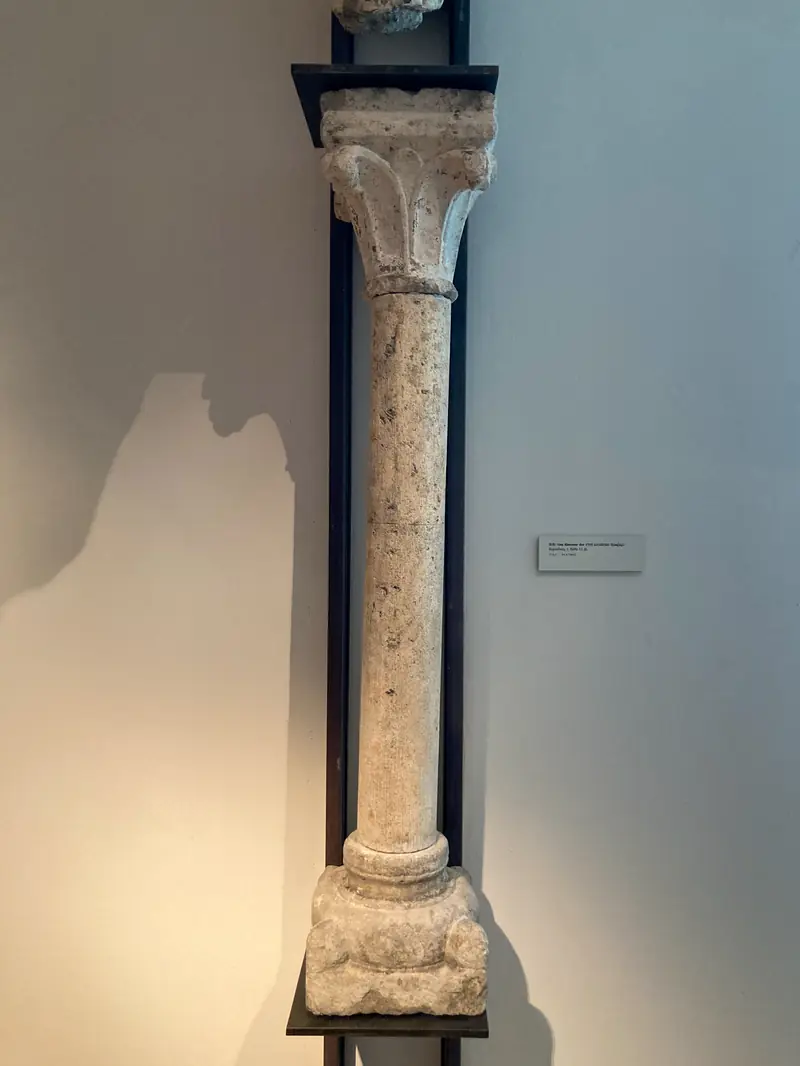
While the original Regensburg Synagogue no longer stands, its architectural design was representative of the synagogues of its time, characterized by traditional styles that reflected both the religious and cultural aspects of Jewish life. The architecture of synagogues typically incorporates elements such as intricate woodwork, decorative motifs, and spaces designated for prayer and community activities.
The absence of the physical structure does not diminish the importance of the site; rather, it serves as a canvas for reflection on the architectural and spiritual contributions of the Jewish community to Regensburg’s urban landscape. The location itself may offer insights into the layout of the medieval city, providing context for understanding how religious and secular life coexisted in this historical setting.
Visiting Information
To visit the site of the Regensburg Synagogue, travelers can easily reach the location by utilizing public transportation options available in the city. Regensburg is well-connected by bus and train services, making it accessible for both local and international visitors.
While the synagogue itself is no longer standing, visitors can expect a space dedicated to reflection and remembrance. It is advisable to check the official website for current information regarding visiting hours and any potential memorial events or educational programs that may be occurring.
Typically, a visit to the site and surrounding areas can take about an hour, but those interested in delving deeper into the history of the Jewish community in Regensburg may wish to allocate more time for exploration. The best times to visit are during the spring and autumn months when the weather is generally mild, allowing for a pleasant experience outdoors.
Nearby Attractions
Regensburg Cathedral (Dom St. Peter): This stunning Gothic cathedral is one of the most significant landmarks in Regensburg, known for its impressive architecture and stained glass windows.
Stone Bridge (Steinerne Brücke): An iconic medieval bridge that spans the Danube River, offering picturesque views and a historical perspective on the city’s development.
Walhalla Memorial: Located just outside Regensburg, this neoclassical hall honors notable figures in German history and provides an insightful excursion into national heritage.
Old Town Regensburg: A UNESCO World Heritage site, the Old Town is characterized by its well-preserved medieval buildings, cobblestone streets, and vibrant market squares, ideal for leisurely exploration.
Thurn und Taxis Palace: A grand palace that showcases the history of the Thurn und Taxis family, known for their role in the postal service in Europe. The palace offers guided tours and beautiful gardens.
Insider Tips
For those who wish to capture the essence of the site, photography can be a meaningful way to document your visit. While the site itself may not have traditional photo opportunities, the surrounding areas, including the Old Town and the nearby Danube River, provide picturesque backdrops.
To avoid larger crowds, consider visiting during weekdays or early in the morning on weekends. This will allow for a more contemplative experience at the site.
Practical Information
When visiting, it’s wise to bring along essentials such as water and comfortable walking shoes, as the surrounding areas invite exploration. Seasonal considerations are also important; spring and autumn offer generally pleasant weather, while winter can be quite cold and may limit outdoor exploration.
Visitors are encouraged to dress modestly, respecting the cultural significance of the site. Layers are advisable, as temperatures can vary throughout the day.
Frequently Asked Questions
How long should I spend visiting?
Visitors typically spend about an hour at the site, but those interested in a deeper historical context may wish to explore for longer.
Is photography allowed?
While the site itself may not have specific restrictions, capturing the beauty of the surrounding areas is encouraged. Always be mindful of local customs and regulations.
Are there guided tours?
Check the official website for information on any available guided tours or educational programs that may enhance your visit.
What’s the best time to visit?
The best times to visit are during the spring and autumn months, when the weather is generally mild and conducive to outdoor exploration.
Is it wheelchair accessible?
Check the official website for current accessibility options and facilities available at the site.
Can I buy tickets online?
For any associated events or educational programs, check the official website for information on ticket availability and purchasing options.
Are there restrooms and cafes?
While there may not be facilities directly at the site, the nearby Old Town features various cafes and restrooms for visitor convenience.
What should I wear?
Dress modestly to respect the cultural significance of the site, and be prepared for varying weather conditions by wearing layers.



