Overview
Reeperbahn station is not just a stop on the railway network; it is a gateway to one of Hamburg’s most vibrant districts. Located in the heart of the city, this historic railway station serves as a focal point for both locals and travelers seeking to explore the dynamic atmosphere of the Reeperbahn area. Known for its nightlife, cultural venues, and historical significance, the Reeperbahn has long been a center of activity in Hamburg. The station, with its strategic position, connects visitors to the bustling streets filled with theaters, bars, and music clubs, making it an essential part of the urban fabric.
The Reeperbahn itself is steeped in a rich cultural history, having evolved from its origins as a rope-making street to a lively entertainment district. The station functions not only as a transportation hub but also as a starting point for experiencing the unique blend of modernity and tradition that characterizes Hamburg. Its proximity to various attractions ensures that visitors can easily navigate the area, immersing themselves in the local culture. Those arriving at Reeperbahn station can expect an energetic atmosphere filled with the sounds of music, laughter, and the hustle and bustle of city life.
History and Significance
The history of Reeperbahn station is intertwined with that of the surrounding district, which has undergone significant transformations over the years. Originally established as a rope-making street in the 17th century, the Reeperbahn became a central hub for sailors and seafarers, providing entertainment and services that catered to the maritime community. As Hamburg developed into a major port city, the Reeperbahn evolved, reflecting the changing social dynamics and cultural landscape.
By the late 19th century, the area had begun to develop its reputation as an entertainment district, attracting a diverse crowd. This evolution coincided with the establishment of the Reeperbahn station, which served to facilitate access to this lively neighborhood. Over the years, the station has witnessed countless changes, adapting to the needs of the community while remaining a vital transportation link.
The cultural significance of Reeperbahn station cannot be understated. It has been a point of entry for many visitors drawn to the area’s vibrant nightlife and arts scene. The station has seen the rise of various artistic movements and remains a symbol of the city’s commitment to cultural expression. From music to theater, the Reeperbahn continues to be a canvas for creativity, making the station a fitting gateway to this dynamic environment.
Architecture and Features
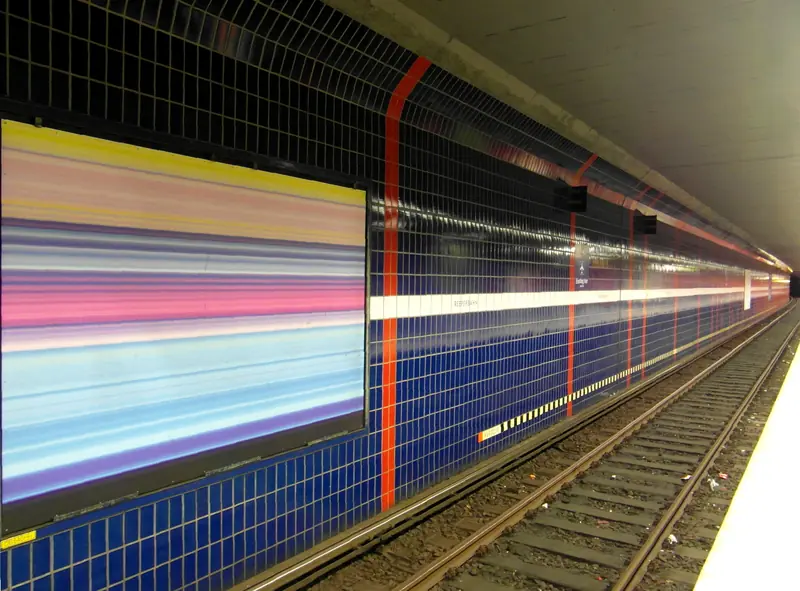
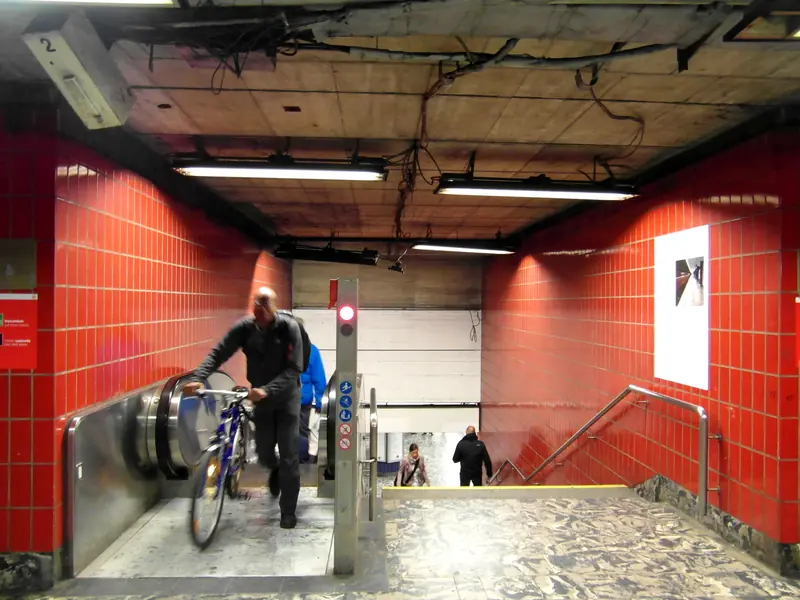
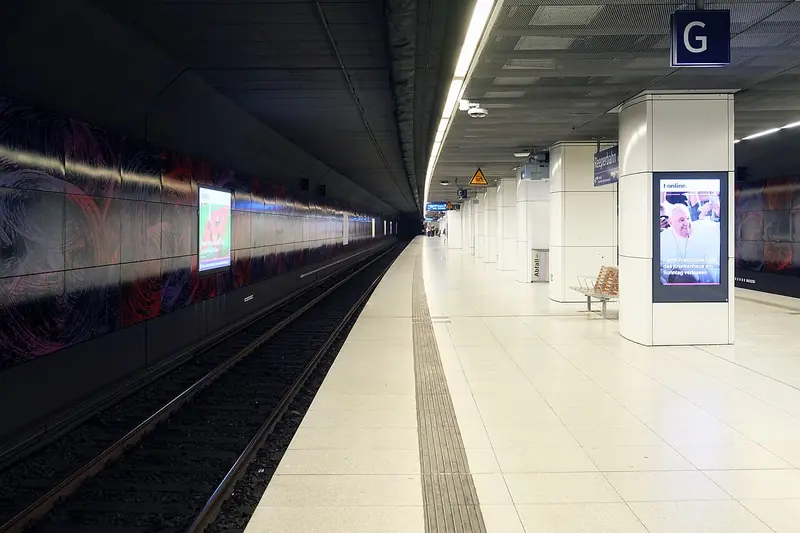
Reeperbahn station, while primarily functional as a railway station, reflects the architectural style typical of urban transport hubs in Germany. The station features a design that balances utility with aesthetic appeal, catering to the heavy foot traffic that it experiences. Its layout is designed to facilitate easy movement, ensuring that passengers can navigate the station and access the platforms without hassle.
The station’s exterior may not be overly ornate, but it embodies the essence of German railway architecture, with straightforward lines and a practical design. Inside, passengers will find ticket counters and waiting areas that are equipped to meet the needs of travelers. The station is designed to accommodate a high volume of commuters, which is indicative of its importance in the local transportation network.
While the station itself may not contain elaborate features commonly found in historic buildings, its significance lies in its role as a functional space that connects the past and present of the Reeperbahn district. It is an integral part of the urban landscape, serving both as a point of transition for visitors and as a reminder of the area’s rich heritage.
Visiting Information
Reeperbahn station is well-connected to various modes of public transportation, making it an accessible destination for visitors to Hamburg. Travelers can reach the station via regional trains, local buses, and the city’s extensive underground network. As a hub of activity, the station is designed to accommodate a steady flow of passengers, ensuring that navigating through it is a straightforward experience.
For those planning a visit, it is advisable to check the official website for current information regarding operating hours and ticket prices. The station typically experiences peak activity during the evenings, especially on weekends, when the nearby nightlife draws larger crowds. To avoid the busiest times, consider visiting during the day or early evening.
Expect a lively atmosphere upon arrival, with a mix of locals and tourists making their way to various destinations. Depending on your interests, you could spend anywhere from a short visit to several hours exploring the Reeperbahn area. For those interested in the nightlife or cultural events, an evening visit may be ideal, while daytime offers a chance to appreciate the street art and cafes that line the avenues.
Nearby Attractions
St. Pauli Theater: This historic theater, located just a short walk from Reeperbahn station, offers a range of performances, including drama, musicals, and comedy shows. It serves as a cultural hub for the local community.
Famous Reeperbahn Street: Known for its nightlife and entertainment, the Reeperbahn itself is a must-visit. The street is home to numerous bars, clubs, and theaters, making it the perfect place to experience Hamburg’s vibrant scene.
Panoptikum: Germany’s oldest wax museum, Panoptikum, is located nearby. Here, visitors can encounter lifelike figures of famous personalities from history and popular culture, adding an interesting twist to your exploration of the area.
Davidwache Police Station: This iconic police station has become a symbol of the Reeperbahn and is an interesting site to visit. Its historical significance adds depth to the understanding of the area’s nightlife culture.
Beatles-Platz: A tribute to the Beatles, who famously performed in Hamburg in their early years, this square celebrates the city’s musical heritage. It is a great spot for fans and music lovers to explore.
Insider Tips
For photography enthusiasts, the Reeperbahn offers a multitude of vibrant backdrops. The best time for photography is during the golden hour, just before sunset, when the lights of the district begin to illuminate the streets. Be mindful of people’s privacy, especially in nightlife settings, and always ask for permission if you intend to take close-up shots of individuals.
To avoid the largest crowds, consider visiting the area on a weekday or during off-peak hours. Early evenings can still be lively but may be less congested than later in the night. If you plan to experience the nightlife, arriving early can help you secure a good spot in popular venues.
Practical Information
When visiting Reeperbahn station and its surroundings, it is advisable to bring essentials such as a portable charger for your devices, as you may want to capture your experiences throughout the day. Comfortable walking shoes are recommended, as the area is best explored on foot, allowing you to appreciate the local sights fully.
Weather in Hamburg can be unpredictable, so checking the forecast before your visit is wise. If you are traveling in the colder months, layering your clothing will help you adjust to changing temperatures. Rain gear may also be beneficial, as showers can occur unexpectedly.
Frequently Asked Questions
How long should I spend visiting?
A visit to Reeperbahn station can vary in duration. If you are just passing through, a short stop of 30 minutes may suffice. However, if you plan to explore the surrounding area, a few hours would allow for a more enriching experience.
Is photography allowed?
Photography is generally allowed in public spaces around Reeperbahn station. However, be respectful of individuals and private properties when taking photos.
Are there guided tours?
While Reeperbahn station itself may not offer guided tours, the surrounding area has various guided walking tours that focus on the history and culture of the Reeperbahn.
What’s the best time to visit?
The best time to visit depends on your interests. For a lively atmosphere, evenings and weekends are ideal. For a quieter experience, consider visiting during the day on weekdays.
Is it wheelchair accessible?
Reeperbahn station is designed to accommodate all passengers, including those with mobility challenges. However, it’s always best to check specific accessibility features on the official website.
Can I buy tickets online?
Depending on the service provider, tickets for trains and local transport may be available for online purchase. Check the relevant transport authority’s website for the most current information.
Are there restrooms and cafes?
Yes, facilities such as restrooms and nearby cafes can be found within walking distance of Reeperbahn station. These amenities cater to the needs of travelers.
What should I wear?
Dress comfortably, especially if you plan to walk around the area. Depending on the time of year, you might want to layer your clothing or bring an umbrella for unexpected rain.
In summary, Reeperbahn station serves as a vital entry point to one of Hamburg’s most exciting districts. With its historical significance and connection to the vibrant culture of the Reeperbahn, a visit to this railway station is both practical and enriching.
Photo Gallery