
Rakotzbrücke
Overview
Rakotzbrücke, often referred to as the “Devil’s Bridge,” is an architectural marvel located in Gablenz, Germany. This folly bridge, a striking example of 19th-century romanticism, is celebrated for its intricate design and scenic beauty. The bridge features a unique circular arch that creates a perfect reflection in the waters below, making it a popular spot for photographers and travelers alike. Its enchanting appearance and the surrounding parkland make it a prominent destination in the region, drawing visitors eager to capture its beauty and immerse themselves in its historical significance.
The bridge is not merely a passage over a stream; it symbolizes the intersection of nature and human creativity. Built as part of a landscaped park, Rakotzbrücke serves as a picturesque focal point, contributing to the allure of the surrounding area. Visitors can expect a serene environment, where the elegance of the bridge harmonizes with its natural surroundings, providing an ideal setting for leisurely strolls and contemplative moments.
History and Significance
Rakotzbrücke is a testament to the romantic ideals of the 19th century, when architecture was often designed to evoke emotional responses and blend seamlessly with nature. While specific historical details may be sparse, the bridge is thought to have been constructed in the 1860s as part of a larger park created by the then-landowner, Georg Wilhelm von Kottwitz. The intention behind the bridge’s design was to create a whimsical structure that would enhance the aesthetic appeal of the park, inviting visitors to appreciate both the skill of human craftsmanship and the beauty of the surrounding landscape.
The bridge gained its nickname, “Devil’s Bridge,” from local folklore that suggests a pact made with the devil to build such an extraordinary structure. This legend adds a layer of intrigue to the bridge’s history, attracting those interested in both architectural beauty and local myth. The bridge has become an iconic symbol of the region, representing a harmonious blend of artistry and nature.
Furthermore, Rakotzbrücke has been recognized for its cultural and historical significance, contributing to the area’s identity. It serves as a reminder of the creativity and ambition of its creators, as well as the importance of preserving such heritage sites for future generations. The bridge’s unique design and picturesque setting have made it a focal point for cultural events and gatherings, reinforcing its status in the local community.
Architecture and Features
Rakotzbrücke is characterized by its striking circular arch, which creates a perfect symmetry with the water below. This architectural feature not only serves a practical purpose but also enhances the bridge’s aesthetic appeal, allowing for stunning reflections that captivate visitors. The bridge is constructed from local basalt, which was meticulously arranged to create a visually striking structure that seamlessly blends with its natural environment.
The design of Rakotzbrücke reflects the romantic sensibilities of the time, emphasizing the beauty of nature in conjunction with human craftsmanship. The bridge’s pointed arches and intricate stonework are notable features that showcase the skill of its builders. The surrounding landscape, complete with lush greenery and serene waters, further enhances the bridge’s charm, creating a picturesque scene that is often captured by photographers.
As visitors approach the bridge, they are greeted by a carefully curated landscape that complements its design. The pathway leading to Rakotzbrücke is adorned with trees and shrubs, inviting travelers to slow down and appreciate their surroundings. The overall ambiance is one of tranquility, encouraging a contemplative experience that is often sought after by those who visit.
Visiting Information
When planning a visit to Rakotzbrücke, it’s essential to consider transportation options and current access information. The bridge is located in Gablenz, Germany, and is accessible by car, with nearby parking options available. Public transportation may also be an option, but specific details can vary based on the current schedules and services available.
Check the official website for current information regarding visiting hours and any potential entrance fees. Visitors typically spend around one to two hours at the site, allowing ample time to explore the bridge, take photographs, and enjoy the surrounding parkland. The best times to visit are during the early morning or late afternoon when the sunlight casts a warm glow over the bridge and enhances its reflective qualities in the water.
Expect a peaceful environment, where the soothing sounds of nature provide a backdrop to your visit. The bridge is often less crowded during weekdays, making this an ideal time for those looking to avoid larger groups.
Nearby Attractions
While Rakotzbrücke is a highlight in Gablenz, several nearby attractions offer additional opportunities for exploration:
Kromlau Park: The expansive park surrounding Rakotzbrücke features beautifully landscaped gardens and walking paths, perfect for a leisurely stroll. It offers additional viewpoints to appreciate the bridge from different angles.
Zittau Mountains: Located a short drive away, this mountain range provides excellent hiking trails and stunning natural landscapes for outdoor enthusiasts.
Görlitz: This charming town, known for its well-preserved historical architecture, is a fantastic destination for those interested in exploring cultural heritage.
Kromlau’s Rhododendron Park: A seasonal attraction, this park is famous for its vibrant rhododendron blooms, making it a splendid visit during spring.
The Village of Gablenz: Explore the local culture and enjoy the quaint charm of this village, where you can find local shops and eateries.
Insider Tips
For photography enthusiasts, early morning or late afternoon visits are ideal for capturing the perfect light and minimizing crowds. The reflections in the water surrounding Rakotzbrücke are particularly stunning during these times.
To avoid the busier periods, consider visiting on a weekday. Mornings tend to be quieter, allowing for a more serene experience.
Additionally, bringing a tripod can help achieve high-quality photographs, especially for long-exposure shots that capture the bridge’s reflections at sunset.
Practical Information
When visiting Rakotzbrücke, it is advisable to wear comfortable walking shoes, as the terrain may vary. Depending on the season, dressing in layers can be beneficial, as temperatures can change throughout the day.
Check the official website for any seasonal considerations, especially if planning to visit during winter months when conditions can vary.
A camera is a must for capturing the beauty of the bridge and its surroundings. Also, consider bringing snacks and water, as amenities may be limited in the immediate area.
Frequently Asked Questions
How long should I spend visiting?
Visitors typically spend about one to two hours at Rakotzbrücke, allowing time for exploration and photography.
Is photography allowed?
Yes, photography is encouraged, and many visitors capture stunning images of the bridge and its reflections.
Are there guided tours?
Check local resources for options regarding guided tours, as they may vary based on season and demand.
What’s the best time to visit?
Early morning or late afternoon are ideal times for fewer crowds and optimal lighting for photography.
Is it wheelchair accessible?
Access may be limited; check the official website for detailed accessibility information.
Can I buy tickets online?
Check the official website for current information regarding tickets and entrance fees.
Are there restrooms and cafes?
Amenities may be limited in the immediate area. It is advisable to check local resources for restroom availability and nearby dining options.
What should I wear?
Comfortable walking shoes and weather-appropriate clothing are recommended for exploring the area around Rakotzbrücke.
More in Brandenburg
Agnetenkloster
📍 Brandenburg, Germany
Agnetenkloster, a former monastery located in the heart of Magdeburg, Germany, invites visitors to explore its serene ambiance and historical …

Agroneum
📍 Brandenburg, Germany
Agroneum is a museum located in the serene landscape of Alt Schwerin, Germany. This establishment serves as a vibrant hub for those interested in the …

Alexander Nevsky Memorial Church
📍 Brandenburg, Germany
The Alexander Nevsky Memorial Church in Potsdam, Germany, offers visitors a unique glimpse into the city’s cultural and religious heritage. This …
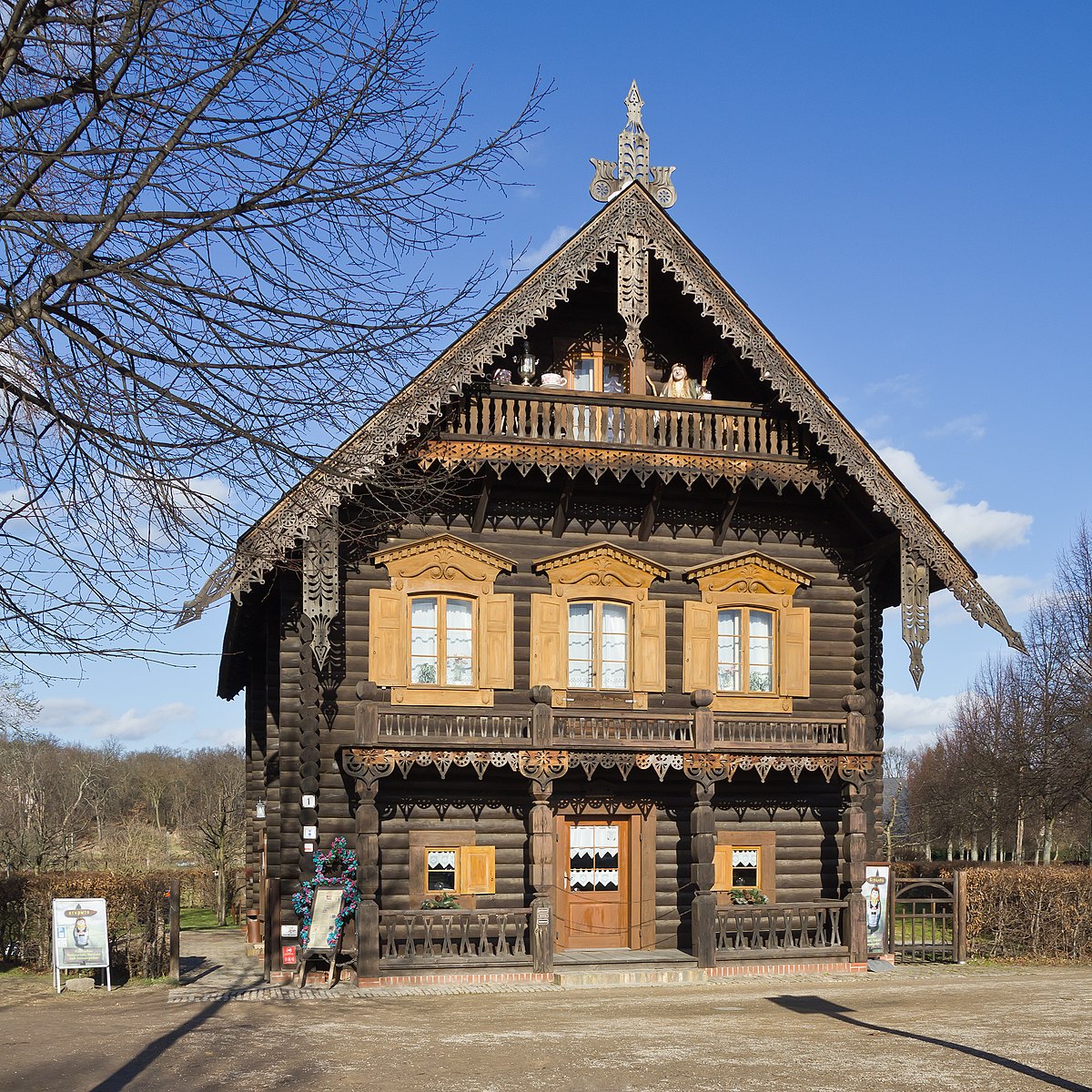
Alexandrowka
📍 Brandenburg, Germany
Located in the picturesque city of Potsdam, Germany, Alexandrowka is an intriguing architectural ensemble that reflects a unique blend of Russian and …

Alte Burg Penzlin
📍 Brandenburg, Germany
Alte Burg Penzlin, a captivating castle located in the quaint town of Penzlin, Germany, serves as a remarkable example of medieval architecture and …

Alte Dorfkirche Röxe
📍 Brandenburg, Germany
The Alte Dorfkirche Röxe stands as a poignant symbol of architectural and cultural history in the Stendal region of Germany. This church building, …
More Bridges
Abrechen (München)
📍 Bavaria, Germany
Abrechen in München is a bridge that plays a significant role in the connectivity of this bustling German city. Located at coordinates 48.1357, …

Aggerbrücke
📍 North Rhine-Westphalia, Germany
Aggerbrücke is not merely a bridge; it is a connection to the past and a vital link in the contemporary landscape of Engelskirchen-Loope, Germany. …
Alte Schulbrücke Oberbobritzsch
📍 Saxony, Germany
The Alte Schulbrücke Oberbobritzsch is a striking bridge situated in the Bobritzsch-Hilbersdorf region of Germany. This structure serves not only as a …

Arch bridge with railings Hohnstein
📍 Saxony, Germany
The Arch Bridge with Railings in Hohnstein, Germany, is more than just a structural crossing; it is a significant piece of the region’s architectural …

Arnim'sche Kohlebahn Schedewitz/Geinitzsiedlung
📍 Saxony, Germany
Arnim’sche Kohlebahn Schedewitz/Geinitzsiedlung is a distinguished bridge located in Zwickau, Germany. This historical structure serves as a …
Bahndamm, Brückenpfeiler und Bogenbrücke einer stillgelegten Eisenbahnstrecke Ebersbach (bei Großenhain)
📍 Saxony, Germany
The Bahndamm, Brückenpfeiler und Bogenbrücke einer stillgelegten Eisenbahnstrecke in Ebersbach, located in Germany, represents a fascinating …