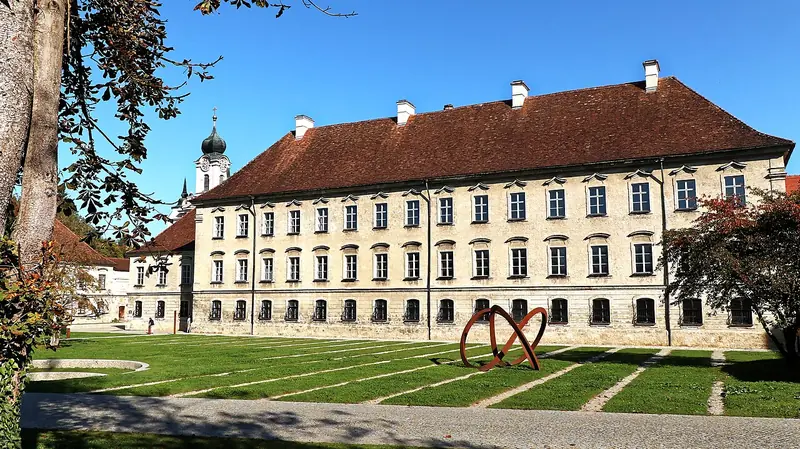
Overview
Raitenhaslach Cistercian Abbey, located in the picturesque region of Upper Bavaria, Germany, is a site of serene beauty and historical significance. This monastery provides visitors with an opportunity to explore the tranquil world of the Cistercian order, established to promote a life of contemplation and simplicity. The abbey is not just a spiritual haven but also a remarkable architectural site that reflects the monastic lifestyle of its founders.
The abbey’s strategic location near the town of Burghausen enhances its appeal, surrounded by the lush Bavarian countryside. The quiet charm of Raitenhaslach offers a contrasting experience to the bustling tourist centers nearby, inviting visitors to immerse themselves in the peaceful atmosphere. With its historical and architectural treasures, Raitenhaslach Cistercian Abbey serves as a compelling destination for those seeking a deeper understanding of monastic life and its enduring legacy.
History and Significance
The history of Raitenhaslach Cistercian Abbey is intertwined with the broader narrative of the Cistercian order, which was founded in the 12th century in France. This movement aimed to reform monastic life by emphasizing simplicity, manual labor, and a return to the austere practices of early Christianity. The abbey in Raitenhaslach is part of this tradition, embodying the principles that guided its founding monks.
Throughout its existence, the abbey has played a crucial role in the spiritual and cultural life of the region. The Cistercians were known for their agricultural innovations and contributions to local economies, fostering sustainable practices that would benefit the surrounding communities. The abbey’s influence extended beyond spiritual matters, as it became a center for education and scholarship, attracting scholars and students who sought knowledge and guidance.
Raitenhaslach Cistercian Abbey has witnessed various historical events, including periods of decline and renewal, reflecting the broader challenges faced by monastic institutions in Europe. The abbey’s resilience and adaptability showcase the enduring spirit of the Cistercian order, which continues to attract visitors and pilgrims seeking solace and inspiration.
Architecture and Features
Raitenhaslach Cistercian Abbey is characterized by its distinct architectural style, which harmonizes with the natural surroundings. The design of the buildings reflects the principles of Cistercian architecture, emphasizing simplicity and functionality. The layout typically includes a church, cloister, and various monastic buildings, all constructed with an eye toward utility and devotion.
The church, a focal point of the abbey, features elements that highlight the spiritual mission of the Cistercian monks. The interior often showcases understated beauty, with an emphasis on light and space that enhances the contemplative atmosphere. The use of local materials, such as stone and timber, connects the abbey to its geographic context, further integrating it into the landscape.
Visitors to Raitenhaslach will find several notable features within the abbey complex. The cloister, which serves as a tranquil gathering space for meditation and reflection, exemplifies the Cistercian commitment to a life of prayer. Additionally, the surrounding gardens and grounds provide a serene setting for visitors to explore and appreciate the natural beauty that complements the architectural elements.
Visiting Information
Reaching Raitenhaslach Cistercian Abbey is relatively straightforward, with various transport options available. The abbey is located in close proximity to major cities in Upper Bavaria, making it accessible for both local and international travelers. Visitors are encouraged to check the official website for current information on hours, prices, and any special events that may be taking place during their visit.
Upon arrival, guests can expect a peaceful atmosphere, conducive to reflection and exploration. The abbey grounds offer ample space for leisurely walks, allowing visitors to absorb the tranquil environment. It is advisable to allocate sufficient time for your visit, as there are many aspects to appreciate, from the architecture to the surrounding landscape.
The best times to visit Raitenhaslach are during the spring and autumn months when the weather is mild, and the natural surroundings are particularly beautiful. These seasons provide an ideal backdrop for enjoying the abbey’s serene ambiance.
Nearby Attractions
While Raitenhaslach Cistercian Abbey is a destination in its own right, several nearby attractions enhance the experience for visitors:
Burghausen Castle: This impressive fortress, situated on a hill overlooking the Salzach River, is one of the longest castles in Europe. Its well-preserved architecture and panoramic views make it a popular stop for history enthusiasts.
The Old Town of Burghausen: Strolling through the charming streets of Burghausen’s Old Town reveals medieval buildings, quaint shops, and delightful cafes, providing a perfect complement to a day spent at the abbey.
Wöhrsee: A picturesque lake located nearby, Wöhrsee offers opportunities for outdoor activities such as walking and picnicking, making it an ideal spot to unwind after visiting the abbey.
The River Salzach: The scenic banks of the Salzach River are perfect for leisurely walks or cycling, providing a beautiful natural setting to enjoy the landscape.
The Burghauser Land Museum: This local museum showcases the history and culture of the Burghausen region, offering insights into the area’s heritage and the significance of the Cistercian monks in shaping it.
Insider Tips
For those planning a visit to Raitenhaslach Cistercian Abbey, a few insider tips can enhance the experience:
Photography: While capturing the beauty of the abbey is encouraged, be mindful of the contemplative environment. Early morning or late afternoon light can provide an ideal setting for photography, highlighting the architectural details.
Crowd Avoidance: To enjoy a quieter experience, consider visiting during weekdays or outside of peak tourist seasons. This will allow for a more intimate connection with the site and its surroundings.
Practical Information
When visiting Raitenhaslach Cistercian Abbey, it’s advisable to bring a few essentials to ensure a comfortable experience. Comfortable walking shoes are recommended, as the grounds invite exploration. Additionally, consider bringing water and snacks, especially if you plan to spend an extended period on-site.
Seasonal considerations are also important; spring and autumn typically offer pleasant weather for outdoor activities. Check the official website for any specific recommendations related to seasonal events or closures.
Frequently Asked Questions
How long should I spend visiting?
A visit to Raitenhaslach Cistercian Abbey typically takes about 1 to 2 hours, allowing time to explore the grounds and appreciate the architecture.
Is photography allowed?
Photography is generally permitted, but visitors should be respectful of the serene atmosphere and other guests.
Are there guided tours?
Check the official website for information on guided tours, as they may be available at certain times.
What’s the best time to visit?
The best times to visit are during the spring and autumn months when the weather is mild and the natural surroundings are particularly inviting.
Is it wheelchair accessible?
Accessibility information may vary, so check the official website for details on wheelchair access within the abbey complex.
Can I buy tickets online?
For the most current information on ticket purchasing options, visit the official website.
Are there restrooms and cafes?
Facilities such as restrooms and cafes may be available on-site; please check the official website for specifics.
What should I wear?
Dress comfortably and consider layering clothing, as temperatures can vary throughout the day, especially in spring and autumn.