
Prora
Overview
Prora, located on the northeastern coast of Germany, is an extraordinary architectural ensemble that tells a story of ambition, ideology, and resilience. This vast complex, situated in Binz on the island of Rügen, was originally conceived as a leisure facility for the Nazi regime’s Strength Through Joy program in the 1930s. With its sweeping beachfront and imposing design, Prora reflects the social and political aspirations of its time. Today, it stands as a multifaceted site that invites exploration, offering insights into Germany’s complex history and the evolution of its architectural styles.
As you approach Prora, the sheer scale of the structure becomes apparent. Stretching over 4.5 kilometers along the coastline, the site is a remarkable example of 20th-century architecture. Its significance extends beyond mere aesthetics, serving as a reminder of the past while also evolving into a space for cultural and recreational activities. Visitors to Prora can expect a blend of historical reflection and contemporary use, making it a unique destination for those interested in both heritage and the future of communal spaces.
History and Significance
The history of Prora is deeply intertwined with the socio-political climate of Germany during the 1930s. Initiated under Adolf Hitler’s government, the project was part of a broader initiative aimed at providing leisure and vacation opportunities to the working class. It was envisioned as a massive resort that could accommodate thousands of visitors, reflecting the regime’s goal to promote physical well-being and national pride among its citizens. However, the project was never completed due to the outbreak of World War II, leaving behind a haunting yet fascinating legacy.
Throughout the war, the unfinished buildings were repurposed for military use, and after the war, the site underwent a series of transformations. In the years following the reunification of Germany, Prora evolved from a relic of the past into a vibrant space for cultural events, exhibitions, and community activities. Today, it serves as both a historical monument and a contemporary gathering place, symbolizing the resilience of the human spirit in the face of adversity.
Prora’s significance extends beyond its physical structure. It serves as a focal point for discussions about memory, architecture, and the role of public spaces in society. The complex has become a canvas for artistic expression, hosting various events that engage with its complex history while addressing contemporary themes. By visiting Prora, guests not only explore its architectural grandeur but also reflect on the broader narratives that shaped the nation.
Architecture and Features
Prora is an architectural ensemble characterized by its monumental scale and functional design. The complex consists of eight long, rectangular blocks, each designed to house a large number of vacationers. The buildings are primarily constructed from reinforced concrete, a material that was both cost-effective and durable, aligning with the era’s architectural trends.
One of the most notable features of Prora is its linear layout, which runs parallel to the coastline, providing stunning views of the Baltic Sea. The design emphasizes continuity and connection, allowing guests to navigate the space easily while enjoying the natural beauty surrounding them. The façade of the buildings is marked by large, repetitive windows, which were intended to maximize natural light and create a sense of openness.
Inside, the structure was originally designed to accommodate various amenities, including dining halls, recreational areas, and leisure facilities. Although many of these features were never completed, some sections of the complex have been renovated and repurposed for modern use. Visitors can explore exhibitions that delve into the history of the building, its original intentions, and its evolution over the decades.
The overall architectural style of Prora reflects the functionalist principles of the time, focusing on utility and efficiency while also aiming to inspire a sense of communal identity among its visitors. As part of the broader narrative of 20th-century architecture, Prora serves as a significant case study in understanding the interplay between ideology and design.
Visiting Information
Reaching Prora is relatively straightforward, with various transport options available. Trains and buses connect Binz to major cities in Germany, and once in Binz, local transport can take you directly to the site. The area is also accessible by car, with parking facilities nearby.
When planning your visit, it’s advisable to check the official website for current information regarding hours of operation and admission prices, as these can vary throughout the year. The site typically offers a range of experiences, including exhibitions, guided tours, and events, allowing visitors to engage with the history of Prora in a meaningful way.
Expect to spend a few hours at Prora to fully appreciate its vastness and historical significance. The best times to visit are during the spring and summer months, when the weather is more accommodating for exploring the outdoor spaces and enjoying the nearby beach.
Visitors should prepare for a mix of indoor and outdoor experiences. Comfortable walking shoes are recommended, as the site covers a considerable area. Additionally, bringing a camera is encouraged, as there are numerous opportunities to capture the unique architectural features and picturesque coastal scenery.
Nearby Attractions
While visiting Prora, there are several nearby attractions worth exploring:
Binz Beach: Located just a short distance from Prora, this beautiful sandy beach is perfect for relaxation or a leisurely walk along the coast.
Granitz Hunting Lodge: A stunning 19th-century building nestled in the Granitz forest, offering panoramic views from its observation tower.
Rügen Island: Known for its dramatic cliffs and natural parks, Rügen is the largest island in Germany and offers numerous hiking and biking trails.
Königsstuhl National Park: Famous for its chalk cliffs and diverse wildlife, this national park provides breathtaking landscapes and excellent hiking opportunities.
Sellin Pier: A picturesque pier that extends into the Baltic Sea, ideal for a scenic stroll or enjoying local cuisine at nearby restaurants.
Insider Tips
When visiting Prora, consider bringing a good camera to capture the striking architecture and coastal views. The complex can get busy during peak tourist seasons, so aim to arrive early in the day to enjoy a quieter experience.
For those interested in photography, the early morning or late afternoon light can create stunning images of the buildings against the backdrop of the sea. Additionally, exploring the less frequented areas of the complex can yield unique perspectives and fewer crowds.
Practical Information
When planning your visit to Prora, be sure to bring essentials such as water, sunscreen, and a hat, particularly during the warmer months. Dress in comfortable clothing and shoes suitable for walking, as the site requires some exploration on foot.
Seasonal considerations are important; summer months tend to attract larger crowds, while spring and early autumn can offer a more tranquil experience. The nearby beach is also a popular spot for sunbathing and swimming during warmer weather, so pack accordingly if you plan to spend time by the sea.
Frequently Asked Questions
How long should I spend visiting?
Visitors typically spend around two to four hours exploring Prora, depending on their interest in the exhibitions and surrounding areas.
Is photography allowed?
Yes, photography is generally permitted throughout the site, but be mindful of any specific guidelines during exhibitions or events.
Are there guided tours?
Yes, guided tours may be available, providing deeper insights into the history and architecture of Prora. Check the official website for details.
What’s the best time to visit?
The best time to visit Prora is during the spring or summer months when the weather is pleasant and outdoor activities can be enjoyed.
Is it wheelchair accessible?
The site has made efforts to accommodate visitors with mobility impairments, but it is advisable to check specific accessibility options on the official website.
Can I buy tickets online?
Check the official website for information regarding ticket purchases, as options may vary.
Are there restrooms and cafes?
Yes, facilities including restrooms are available on-site, and there are options for food and beverages nearby.
What should I wear?
Dress comfortably for walking and consider the weather. Layers are advisable, as temperatures can vary throughout the day.
Prora offers a unique glimpse into Germany’s architectural history and cultural evolution, making it a compelling destination for travelers seeking to explore the intersection of heritage and modernity.
More in Mecklenburg-Vorpommern

Ahrenshoop Strand
📍 Mecklenburg-Vorpommern, Germany
Ahrenshoop Strand is a captivating beach destination located on the picturesque Fischland-Darß-Zingst peninsula along Germany’s northeastern coast. …

Anklam Gate of Usedom City
📍 Mecklenburg-Vorpommern, Germany
The Anklam Gate of Usedom City stands as a significant architectural feature within the historical landscape of Usedom, Germany. This city gate, a …

Anklamer Tor
📍 Mecklenburg-Vorpommern, Germany
The Anklamer Tor, a historic city gate located in the Friedland region of Germany, serves as a fascinating portal into the architectural and cultural …

Aufklärungsturm A
📍 Mecklenburg-Vorpommern, Germany
Aufklärungsturm A is a notable tower located near Klaustorf in the Ostholstein region of Germany. This structure stands as a remarkable example of …

Bad Doberan Minster
📍 Mecklenburg-Vorpommern, Germany
Bad Doberan Minster, an architectural marvel located in the heart of Bad Doberan, Germany, is a significant church building that attracts visitors …
Bakenberg
📍 Mecklenburg-Vorpommern, Germany
Bakenberg, located on the picturesque island of Rügen in Mecklenburg-Vorpommern, Germany, is a tranquil retreat where sandy beaches meet the gentle …
More Architectural Ensembles

144., 176. und 184. Gemeindeschule
📍 Berlin, Germany
The 144., 176. und 184. Gemeindeschule, an architectural ensemble located in the vibrant city of Berlin, stands as a noteworthy example of educational …

Adelheidstraße 3–7, 9–12, 12a, 14, 15, 22–31, Amelungstraße 1, Friedrich-Ebert-Platz
📍 Lower Saxony, Germany
In the heart of Quedlinburg, Germany, lies a captivating architectural ensemble that reflects the town’s historical significance and cultural …

Aegidiimarkt
📍 Lower Saxony, Germany
Aegidiimarkt is a captivating architectural ensemble located in the heart of Münster, Germany. This vibrant square not only serves as a hub for local …
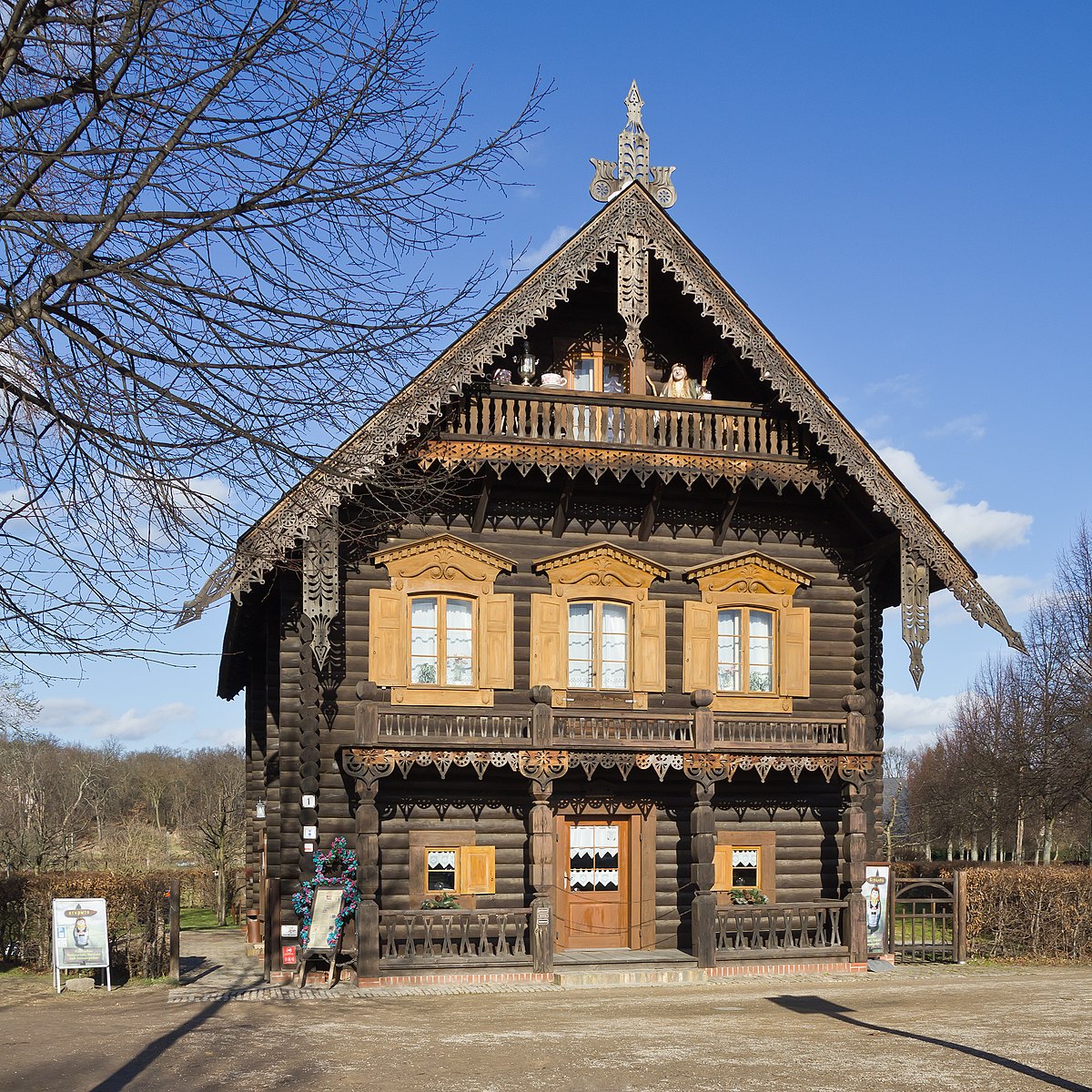
Alexandrowka
📍 Brandenburg, Germany
Located in the picturesque city of Potsdam, Germany, Alexandrowka is an intriguing architectural ensemble that reflects a unique blend of Russian and …

Alhauser Hammer
📍 North Rhine-Westphalia, Germany
Alhauser Hammer is a remarkable architectural ensemble located in Ennepetal, Germany, known for its historical significance as a water-driven hammer …

Alsdorfer Ölmühle
📍 North Rhine-Westphalia, Germany
The Alsdorfer Ölmühle, an architectural ensemble located in the heart of Alsdorf, Germany, is a remarkable example of a traditional watermill that …