
Produktionshalle der ehem. Fabrik für Präzisionsmechanik und Maschinenbau Friedrich Deckel
Overview
In the heart of Munich, a city renowned for its blend of modernity and tradition, lies an industrial relic that embodies the evolution of precision engineering. The Produktionshalle der ehem. Fabrik für Präzisionsmechanik und Maschinenbau Friedrich Deckel is not merely a factory; it represents a pivotal chapter in Germany’s industrial narrative. Constructed between 1958 and 1960 under the guidance of architect Walter Henn, this two-story flat-roofed building showcases an innovative approach to factory design, emphasizing both functionality and aesthetic appeal. The site spans a significant area, measuring 72 by 82 meters, and features a spacious, column-free upper floor that allows for versatile use of the space.
As a part of Munich’s industrial heritage, this factory complex is integral to understanding the city’s transition during the mid-20th century, particularly in the manufacturing sector. Visitors can expect to explore not just the architectural prowess of the time but also the cultural significance of the machinery and techniques that were developed within its walls. This guide aims to provide a comprehensive overview of the former factory, its historical context, architectural features, and practical information for those wishing to visit.
History and Significance
The Produktionshalle der ehem. Fabrik für Präzisionsmechanik und Maschinenbau Friedrich Deckel stands as a symbol of the post-war industrial boom in Germany. The 1950s marked a period of reconstruction and innovation, and the establishment of this factory was part of a broader movement to modernize manufacturing processes and adopt advanced engineering techniques. The factory specialized in precision mechanics and machine construction, fields that were crucial for Germany’s economic recovery and growth following World War II.
Under the vision of Walter Henn, the factory’s design reflects the ethos of its time—functionality was paramount, and the architectural style leaned towards simplicity and efficiency. This approach not only facilitated the production processes within the factory but also allowed for a more fluid interaction between workers and machinery, enhancing productivity.
The factory’s significance extends beyond its operational capabilities. It represents a shift in industrial architecture, where form began to follow function in a way that harmonized the work environment with the needs of its users. The building’s expansive upper floor—free from columns—was particularly innovative, allowing for flexibility in the arrangement of machinery and workspace, which is crucial in a factory setting.
As manufacturing technologies evolved, so did the factory’s capabilities. The legacy of the Friedrich Deckel factory continues to resonate within the broader context of industrial design and engineering. Today, it not only serves as a reminder of Munich’s rich industrial past but also as a venue for events and exhibitions that focus on innovation and technology.
Architecture and Features
The architectural design of the Produktionshalle der ehem. Fabrik für Präzisionsmechanik und Maschinenbau Friedrich Deckel is notable for its utilitarian yet aesthetically pleasing form. Constructed as a two-story flat-roofed building, the factory exemplifies the modernist principles that were gaining traction in the post-war era. The use of a flat roof not only enhances the building’s silhouette but also maximizes the interior space—an essential feature for industrial operations.
The factory measures an impressive 72 by 82 meters, reflecting the scale of operations that were envisioned during its inception. The ground floor is dedicated to material storage and workshops, providing essential support to the factory’s production activities. Above, the column-free upper floor is a hallmark of its design, allowing for an expansive, open space that can be adapted to various needs, from manufacturing to exhibition.
The materials used in the construction embody the industrial aesthetic, characterized by functional elements that prioritize efficiency over ornamentation. Large windows allow natural light to flood the workspace, creating a more pleasant environment for workers and enhancing visibility for precise tasks. This interplay of light and space is a testament to Henn’s forward-thinking approach, recognizing the importance of a conducive work environment.
In addition to its structural features, the factory’s design reflects the technological advancements of the time. The integration of modern machinery and production methods was a key focus, ensuring that the factory could keep pace with the evolving needs of precision engineering.
Visiting Information
Visiting the Produktionshalle der ehem. Fabrik für Präzisionsmechanik und Maschinenbau Friedrich Deckel provides a unique opportunity to immerse oneself in Munich’s industrial heritage. To reach the site, various transportation options are available, including public transit services that connect to the wider Munich area. Given its urban location, it is advisable to check local schedules for the most efficient routes.
Check the official website for current information regarding opening hours and ticket prices, as these can vary by season and special events. Visitors can expect a guided experience that delves into the architectural and historical significance of the factory, often taking approximately 1-2 hours to explore thoroughly.
The best times to visit are typically during weekdays when there are fewer crowds, allowing for a more intimate experience. However, special events or exhibitions may attract larger audiences, so checking the schedule beforehand can enhance your visit.
The factory’s surroundings also provide a backdrop for a pleasant outing, with nearby parks and cafes where one can relax after touring the site.
Nearby Attractions
Deutsches Museum: Located just a short distance away, this premier science and technology museum showcases Germany’s rich industrial history, including the evolution of machinery and engineering.
Theresienwiese: The site of the famous Oktoberfest, this expansive park is ideal for leisurely strolls and offers a glimpse into Munich’s vibrant cultural life.
Karlsplatz (Stachus): A bustling square known for its shops and cafes, it’s a great place to grab a bite or enjoy people-watching in the heart of the city.
Bavaria Filmstadt: A short drive from the factory, this film studio offers tours and insights into the German film industry, making it a fun stop for movie enthusiasts.
Sendlinger Tor: One of the historic city gates of Munich, this landmark is a great spot for those interested in the city’s medieval architecture and history.
Insider Tips
To make the most of your visit to the Produktionshalle der ehem. Fabrik für Präzisionsmechanik und Maschinenbau Friedrich Deckel, here are a few insider tips:
Photography: While photography is allowed in many areas, it’s best to ask for permission before capturing images of specific exhibits or events.
Crowd Avoidance: To enjoy a quieter experience, consider visiting during weekday mornings or early afternoons, as weekends may attract larger crowds.
Guided Tours: If available, opt for a guided tour to gain deeper insights into the factory’s historical and architectural significance.
Practical Information
When planning your visit to the Produktionshalle der ehem. Fabrik für Präzisionsmechanik und Maschinenbau Friedrich Deckel, consider bringing the following items:
Comfortable Shoes: As the factory may involve walking on hard surfaces, comfortable footwear is advisable.
Weather Considerations: Check the weather forecast before your visit, as some areas may be outdoors. Dress accordingly for the season.
Water and Snacks: While there may be cafes nearby, it’s always a good idea to carry water and light snacks, especially if you plan to explore the area surrounding the factory.
Frequently Asked Questions
How long should I spend visiting?
A visit typically takes about 1-2 hours, allowing time to explore the factory and engage with any exhibitions.
Is photography allowed?
Photography is generally permitted, but it’s advisable to check for any specific restrictions on certain exhibits.
Are there guided tours?
Guided tours may be available, providing deeper insights into the factory’s history and architecture.
What’s the best time to visit?
Weekday mornings or early afternoons are ideal for avoiding crowds.
Is it wheelchair accessible?
Information on accessibility can vary; check the official website for specific details.
Can I buy tickets online?
Check the official website for the latest updates on ticket purchasing options.
Are there restrooms and cafes?
Restroom facilities are typically available on-site; nearby cafes offer refreshments after your visit.
What should I wear?
Dress comfortably and consider the weather conditions, especially if you plan to explore outdoor areas.
More in Bavaria

8. November 1939 (Denkmal)
📍 Bavaria, Germany
The 8. November 1939 (Denkmal) stands as a poignant monument in Munich, Germany, marking a significant moment in the nation’s history. Dedicated to …

Abbey of St. Nikola in Passau
📍 Bavaria, Germany
The Abbey of St. Nikola in Passau stands as a significant religious and cultural landmark in this historic German city. Located at coordinates …

Abensbergerdenkmal
📍 Bavaria, Germany
The Abensbergerdenkmal, a notable monument located in Freising, Upper Bavaria, Germany, serves as an evocative reminder of the region’s historical and …
Abrechen (München)
📍 Bavaria, Germany
Abrechen in München is a bridge that plays a significant role in the connectivity of this bustling German city. Located at coordinates 48.1357, …
Abschnittsbefestigung Andechs
📍 Bavaria, Germany
The Abschnittsbefestigung Andechs, a striking castle located in the scenic region of Andechs, Germany, offers a fascinating glimpse into the …
Abschnittsbefestigung im Taitinger Holz
📍 Bavaria, Germany
The Abschnittsbefestigung im Taitinger Holz represents an intriguing chapter in Germany’s medieval architectural narrative. Located in Bavaria, this …
More Factories
A. Heucke
📍 Lower Saxony, Germany
A. Heucke, located in the historic town of Gatersleben in Germany’s Seeland region, represents a significant chapter in the story of industrial …
Adam Opel AG Werk Bochum I
📍 Lower Saxony, Germany
The Adam Opel AG Werk Bochum I, located in Germany, represents a significant chapter in the history of industrial production. This former production …
Adam Opel AG Werke Bochum II/III
📍 Lower Saxony, Germany
Adam Opel AG Werke Bochum II/III is a distinguished factory located in Germany, playing a significant role in the automotive industry. This site is …
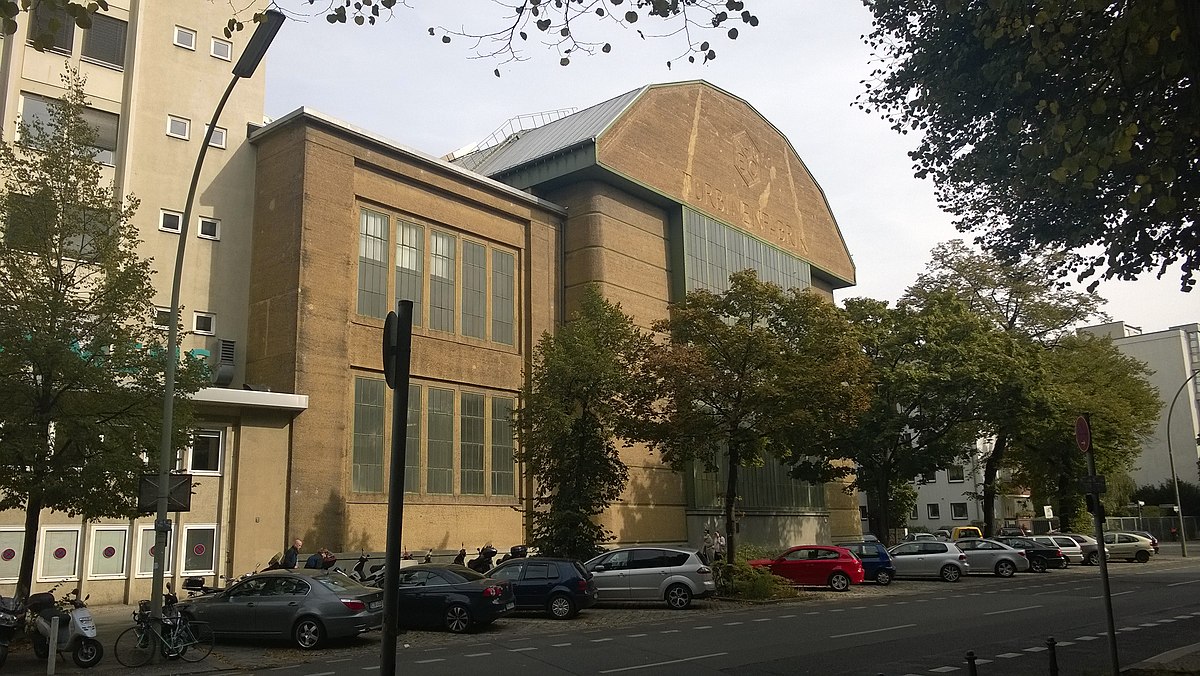
AEG's Turbine factory
📍 Berlin, Germany
The AEG Turbine Factory, an iconic structure in Berlin’s Bezirk Mitte, is a significant landmark that reflects the industrial heritage of the city. …
AKA-Radiergummifabrik
📍 Lower Saxony, Germany
The AKA-Radiergummifabrik, a significant former factory located in Hannover, Germany, offers a unique glimpse into the industrial past of the region. …

Alte Malzfabrik
📍 Lower Saxony, Germany
Alte Malzfabrik, located in Mülheim an der Ruhr, Germany, is an intriguing factory site that encapsulates the industrial heritage of the region. This …