
Prignitz-Museum
Overview
The Prignitz-Museum in Havelberg is a cultural hub that offers visitors a glimpse into the rich history and heritage of the Prignitz region in Germany. This museum serves as a center for local history, showcasing artifacts and exhibitions that highlight the area’s past, from its early settlements to modern developments. Located in a region known for its picturesque landscapes and historical significance, the Prignitz-Museum is not just a repository of artifacts but an invitation to explore the narratives that have shaped this part of Germany.
Havelberg, situated at the confluence of the Havel and Elbe rivers, is steeped in history, with roots tracing back to medieval times when it was an important trading hub. The museum reflects this historical context, providing insights into the cultural evolution of the area. Here, visitors can expect to engage with a variety of exhibits that illustrate the lives of the people who have inhabited this region over the centuries. With its engaging displays and informative presentations, the Prignitz-Museum stands as a significant point of interest for anyone looking to deepen their understanding of this unique locality.
History and Significance
The Prignitz region, where the museum is located, has a storied past characterized by its strategic importance in trade and agriculture. The area has been inhabited for thousands of years, with evidence of settlements dating back to prehistoric times. Over the centuries, Havelberg emerged as a pivotal center, particularly during the Middle Ages, when it flourished as a market town.
The significance of the Prignitz-Museum lies in its commitment to preserving and presenting the cultural heritage of this region. The museum houses various collections that include artifacts from different historical periods, showcasing the evolution of local craftsmanship, commerce, and daily life. Visitors can explore displays that feature everything from archaeological finds to documents that highlight the area’s historical milestones.
In addition to its permanent exhibitions, the museum often organizes temporary displays and educational programs aimed at both residents and tourists. These initiatives help foster a deeper connection to the local culture and encourage dialogue about the region’s historical significance. The Prignitz-Museum plays a crucial role in ensuring that the stories of the past are not forgotten and continue to resonate within the community.
Architecture and Features
The Prignitz-Museum is housed in an architecturally significant building that reflects the historical character of Havelberg. While specific architectural details are not provided, the structure is designed to complement the historical ambiance of the town and serves as an appropriate backdrop for the museum’s collections.
Inside, the museum offers a thoughtfully curated exhibition space that allows visitors to engage with the artifacts in an accessible manner. The layout facilitates an easy flow, guiding visitors through the various themes and periods represented in the collections. The displays are designed to be informative, providing context to the items on display while encouraging exploration and discovery.
Notably, the museum features areas dedicated to interactive exhibits, which enhance the visitor experience by allowing for hands-on learning. These features make the Prignitz-Museum not only a place to observe but also a space to participate in the exploration of local history.
Visiting Information
The Prignitz-Museum is easily accessible for visitors traveling to Havelberg. It is well-connected by local transport, making it convenient for both locals and tourists to reach. Check the official website for current information on hours and ticket prices.
Visitors can expect to spend approximately two hours exploring the museum, which allows sufficient time to engage with the various exhibits and take in the wealth of information presented. The museum is designed to cater to a broad audience, making it suitable for families, school groups, and history enthusiasts alike.
The best times to visit are during weekdays when the museum is less crowded, providing a more intimate experience. Seasonal events may also be scheduled, so checking the official website can provide details on any special exhibitions or programs that might coincide with your visit.
Nearby Attractions
The Prignitz-Museum is situated close to several points of interest that can enrich your visit to Havelberg:
Havelberg Cathedral: This remarkable Gothic structure, dating back to the 14th century, is a must-see for its impressive architecture and historical significance.
Stadtmauer Havelberg: The remnants of the town’s medieval walls offer insight into its historical defenses and provide an excellent backdrop for a leisurely walk.
Elbe River Promenade: A scenic area perfect for strolls, this promenade allows visitors to enjoy the natural beauty of the region while reflecting on the town’s history.
Museum im Steintorturm: Located nearby, this smaller museum focuses on the history of Havelberg and its surrounding areas, further enriching the cultural experience.
Local Market: If visiting on a weekend, check out the local market for regional goods and produce, offering a taste of local life.
Insider Tips
For those interested in photography, the Prignitz-Museum offers ample opportunity to capture engaging images. However, be sure to check if there are any restrictions on photography inside the museum. Visiting during the early hours or later in the afternoon can help avoid larger crowds, allowing for a more relaxed experience.
To enhance your visit, consider joining a guided tour if available. These tours often provide deeper insights into the exhibits and the history of the region, enriching your understanding of the artifacts on display.
Practical Information
When planning a visit to the Prignitz-Museum, it’s advisable to bring along a camera for those memorable moments. Comfortable walking shoes are recommended, as visitors will likely spend time exploring not only the museum but also the surrounding historical sites.
As with many cultural venues, seasonal considerations may affect your visit. Be mindful of weather conditions, and dress appropriately for the climate. The museum may host special events during certain seasons, so check the official website for any updates or changes in programming.
Frequently Asked Questions
How long should I spend visiting?
Visitors typically spend about two hours at the museum to fully appreciate the exhibitions.
Is photography allowed?
Check the museum’s policy on photography, as some areas may have restrictions.
Are there guided tours?
Guided tours may be available; check the official website for details and scheduling.
What’s the best time to visit?
Weekdays tend to be less crowded, providing a more peaceful experience.
Is it wheelchair accessible?
Accessibility information can be confirmed on the official website.
Can I buy tickets online?
Check the official website for information on ticket purchasing options, including online sales.
Are there restrooms and cafes?
Facilities such as restrooms are typically available; check the official website for specific amenities.
What should I wear?
Dress comfortably and in accordance with the weather, especially if you plan to explore surrounding areas.
More in Brandenburg
Agnetenkloster
📍 Brandenburg, Germany
Agnetenkloster, a former monastery located in the heart of Magdeburg, Germany, invites visitors to explore its serene ambiance and historical …

Agroneum
📍 Brandenburg, Germany
Agroneum is a museum located in the serene landscape of Alt Schwerin, Germany. This establishment serves as a vibrant hub for those interested in the …

Alexander Nevsky Memorial Church
📍 Brandenburg, Germany
The Alexander Nevsky Memorial Church in Potsdam, Germany, offers visitors a unique glimpse into the city’s cultural and religious heritage. This …
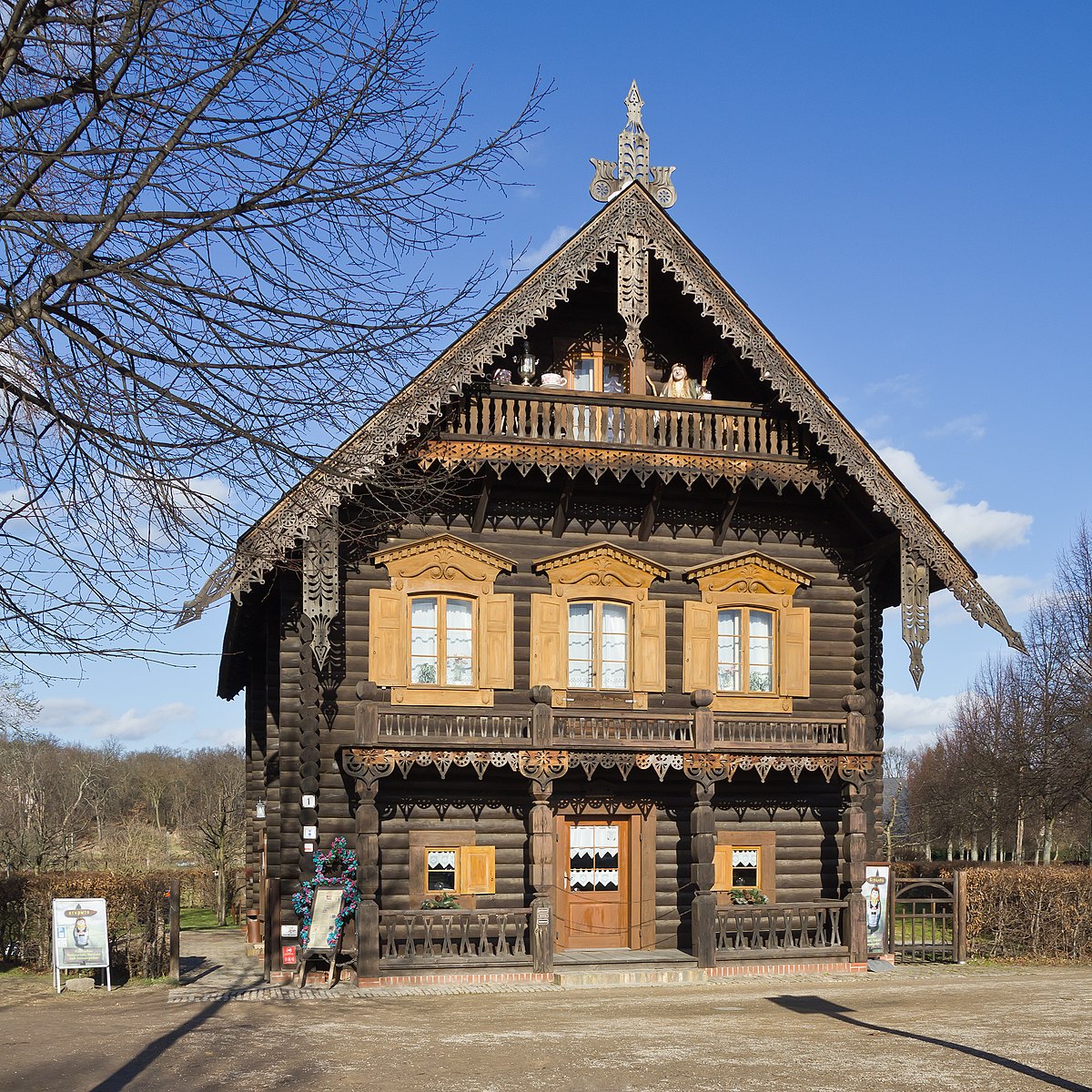
Alexandrowka
📍 Brandenburg, Germany
Located in the picturesque city of Potsdam, Germany, Alexandrowka is an intriguing architectural ensemble that reflects a unique blend of Russian and …

Alte Burg Penzlin
📍 Brandenburg, Germany
Alte Burg Penzlin, a captivating castle located in the quaint town of Penzlin, Germany, serves as a remarkable example of medieval architecture and …

Alte Dorfkirche Röxe
📍 Brandenburg, Germany
The Alte Dorfkirche Röxe stands as a poignant symbol of architectural and cultural history in the Stendal region of Germany. This church building, …
More Museums

Abbey and Altenmünster of Lorsch
📍 Baden-Württemberg, Germany
The Abbey and Altenmünster of Lorsch is a UNESCO World Heritage site located in the charming town of Lorsch, Germany. This significant cultural …
Abenteuermuseum
📍 Rhineland-Palatinate, Germany
The Abenteuermuseum, located in Germany, invites visitors to explore the wonders of adventure through its unique exhibits and engaging experiences. …

Abwasser- und Sielmuseum
📍 Hamburg, Germany
The Abwasser- und Sielmuseum, located in the heart of Hamburg-Mitte, offers a unique glimpse into the city’s historical infrastructure concerning …

Academy of Arts, Berlin
📍 Berlin, Germany
The Academy of Arts in Berlin is not just a museum; it is a prominent national institution dedicated to the advancement of the arts in Germany. …

Ackerbürgermuseum Haus Leck
📍 Hesse, Germany
Ackerbürgermuseum Haus Leck is a culturally significant museum located in Germany’s Grebenstein region, dedicated to preserving and showcasing the …

Active Museum Spiegelgasse
📍 Hesse, Germany
Active Museum Spiegelgasse is a vital institution dedicated to preserving and exploring the German-Jewish history of Wiesbaden, Germany. Located in …